The 2026 Global Marine Spatial Planning (MSP) Conference and Expo opened Wednesday in Bali, Indonesia, bringing together hundreds of participants to address the need for stronger international cooperation in sustainable ocean governance.
The three-day conference and expo, organized by Indonesia’s Ministry of Marine Affairs and Fisheries, aims to bridge the gap between marine planning and the delivery of sustainable investment and development outcomes.
During the opening ceremony, Indonesian Minister of Marine Affairs and Fisheries Sakti Wahyu Trenggono said that rising investment in ocean-based industries has increased competition for marine space. He emphasized that clear spatial planning and stable policy frameworks are required to attract responsible investment while balancing environmental protection and economic growth.
“Marine spatial planning is not only an environmental concern, but it is also an economic concern,” said Sakti Wahyu Trenggono.
UN Secretary-General's Special Envoy for the Ocean Peter Thomson addressed the conference virtually, stating that while MSP has become a central instrument for global ocean governance, a large gap remains between planning and implementation. He called for international collaboration to mobilize financing and protect marine biodiversity.
Zhu Wenxi, head of the office of UNESCO’s Intergovernmental Oceanographic Commission Sub-Commission for the Western Pacific, added that regional cooperation is vital for turning scientific knowledge into practical policy.
“Marine spatial planning can provide certainty, reduce conflicts, and guide responsible investment,” said Zhu Wenxi.
Bali’s selection for the 2026 Global Marine Spatial Planning Conference builds on its proven capacity to host major international gatherings, including the 2022 G20 summit and the 2018 IMF–World Bank Annual Meetings. The island’s established conference infrastructure and experience managing high-level diplomatic events make it a practical choice for convening hundreds of participants focused on ocean governance.
Beyond logistics, Bali sits within the Coral Triangle, a region the province’s own page identifies as having the highest diversity of marine species, with more than 500 reef‑building coral species — about seven times the Caribbean total. This ecological significance aligns directly with Indonesia’s blue economy strategy, which prioritizes sustainable use of marine biodiversity and the protection of critical habitats while attracting responsible investment.
Indonesian Coordinating Minister for Food Affairs Zulkifli Hasan also spoke at the event, emphasizing the necessity of transparent licensing, stringent environmental standards, and the equitable distribution of economic benefits to coastal communities. The event continues the work of the 2024 International MSP Forum, which was the first of its kind held in Asia.
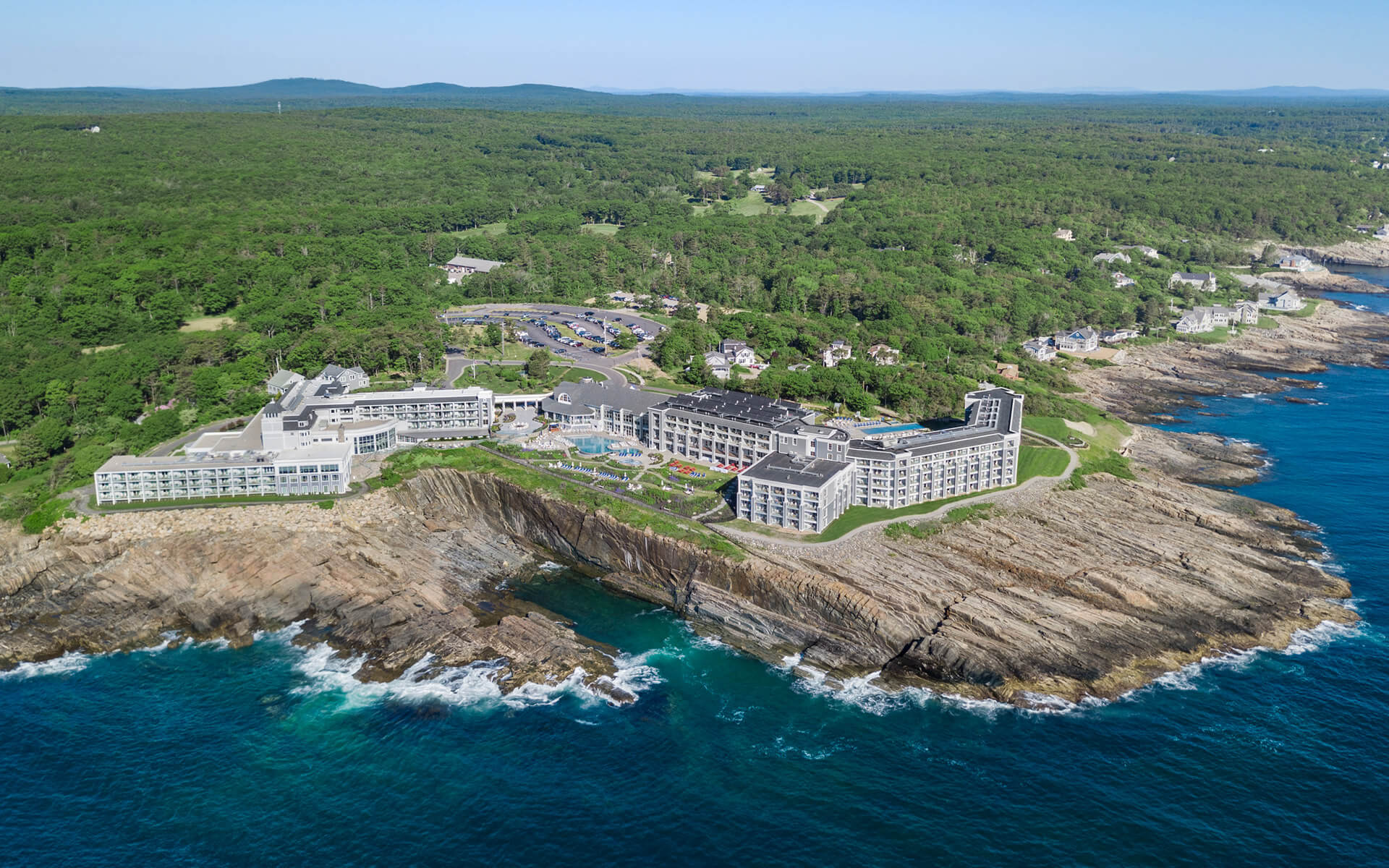
Cliff House Maine Opens Black Friday, Cyber Monday Booking Through Dec. 4, 2026
Cliff House Maine opened booking on Monday for three Black Friday and Cyber Monday promotions that combine 20%...

Reports: Uncle Charged After 5-Year-old Shot With Unsecured Gun in Detroit
A 5-year-old boy was shot in the face Friday, Nov. 20, on Greydale Street in Detroit, and his...

Euclid Telescope Finds Most Distant Quasar Dún Aonghasa
This time the leap in cosmic time is huge! said Julien Wolf, a postdoctoral researcher at the Max...

USDA, Iowa Agencies Issue Livestock Safety Guidance Ahead of Iowa Army Ammunition Plant Detonation
The U.S. Department of Agriculture is coordinating with the Iowa Department of Agriculture and Land Stewardship ahead of...