
International students in Massachusetts face parallel legal tracks when arrested or summoned: a state criminal case and a separate federal immigration review that can revoke visas, terminate SEVIS records, and bar reentry — even without a conviction.
Attorney Joe Serpa, who has practiced Massachusetts criminal defense since 1995, represents students from Boston-area colleges at clerk-magistrate hearings, arraignments, and trials. His firm outlines how federal immigration law treats each stage of a Massachusetts case differently from state law, Serpa Law reported.
Visa revocation can precede any court finding
The State Department may revoke an F-1, J-1, or M-1 visa at any time under 8 U.S.C. § 1201(i) based on an arrest alone, without a conviction. “A consular officer or the Secretary of State may revoke a visa at any time, in the officer’s discretion,” the statute says, and court review of most revocations is barred.
A revoked visa does not automatically end a student’s lawful status while inside the United States, but it renders the student deportable under 8 U.S.C. § 1227(a)(1)(B) and prevents reentry on that visa. The arrest must be disclosed on any future visa application.
SEVIS termination ends status and work authorization
Schools report enrollment and compliance through the Student and Exchange Visitor Information System. Under 8 C.F.R. § 214.1(g), obedience to criminal law is a condition of stay. A conviction for a crime of violence carrying a possible sentence of more than one year constitutes a failure to maintain status, regardless of the actual sentence imposed.
Federal officials have also terminated SEVIS records based on arrest records before any conviction. Termination ends lawful status, on-campus employment, curricular practical training, and optional practical training. Students whose records are terminated should contact their designated school official and immigration counsel immediately.
State dispositions diverge from federal definitions
A continuance without a finding (CWOF) under G.L. c. 278, § 18 is not a conviction under Massachusetts law but ordinarily counts as one under the federal definition in 8 U.S.C. § 1101(a)(48)(A) because it rests on an admission to sufficient facts and includes probation or other conditions.
In Commonwealth v. Villalobos, 437 Mass. 797, 798, the Supreme Judicial Court addressed a defendant who received a CWOF after federal law began treating such admissions as convictions.
Pretrial probation under G.L. c. 276, § 87 differs: the defendant makes no plea and admits no facts, so it ordinarily does not meet the federal definition of a conviction. A denial at a clerk-magistrate hearing, a dismissal, a nolle prosequi, and a not-guilty verdict are also not convictions for immigration purposes.
Clerk-magistrate hearings can prevent a criminal record
Many cases begin with a summons to a clerk-magistrate hearing under G.L. c. 218, § 35A, where the clerk decides whether to issue a complaint. If the application is denied, no complaint issues, no arraignment occurs, and no CORI entry results.
In Bradford v. Knights, 427 Mass. 748, 748, the Supreme Judicial Court held that Boston Municipal Court judges may rehear a clerk-magistrate’s denial. A student who avoids a complaint at this stage avoids the arraignment and the court record it creates.
Required judicial warning at plea
When accepting a guilty plea, a plea of nolo contendere, or an admission to sufficient facts, the judge must give the warning required by G.L. c.
278, § 29D: “If you are not a citizen of the United States, you are hereby advised that the acceptance by this court of your plea of guilty, plea of nolo contendere, or admission to sufficient facts may have consequences of deportation, exclusion from admission to the United States, or denial of naturalization, pursuant to the laws of the United States.”
The statute does not require the defendant to disclose immigration status at the plea.
Common charges carry specific immigration risks
A controlled substance conviction triggers inadmissibility under 8 U.S.C. § 1182(a)(2)(A)(i)(II) and deportability under 8 U.S.C. § 1227(a)(2)(B)(i), with a narrow exception for a single offense of possessing 30 grams or less of marijuana for personal use. A domestic violence conviction makes a noncitizen deportable under 8 U.S.C. § 1227(a)(2)(E)(i).
Convictions trigger deportability and inadmissibility
One crime involving moral turpitude committed within five years of admission, where a sentence of one year or more may be imposed, renders a noncitizen deportable under 8 U.S.C. § 1227(a)(2)(A)(i); two such crimes not arising from a single scheme do so at any time under § 1227(a)(2)(A)(ii). Failure to maintain status is a separate deportability ground under § 1227(a)(1)(C)(i).
Inadmissibility applies when seeking a new visa or reentry: a conviction or admission of the essential elements of a crime involving moral turpitude bars admission under 8 U.S.C. § 1182(a)(2)(A)(i)(I).
Under § 1182(a)(2)(A)(ii)(II), the petty offense exception applies only to a single offense with a maximum possible sentence of one year or less and an actual sentence of six months or less — a threshold most Massachusetts misdemeanors exceed.
Sealing a record does not alter immigration consequences
Massachusetts allows sealing under G.L. c. 276, §§ 100A and 100C. In Commonwealth v. Pon, 469 Mass. 296, 312, the Supreme Judicial Court held that a judge may seal a dismissal or nolle prosequi under § 100C on a showing of good cause. Sealing limits access in Massachusetts but does not change how federal immigration law treats the case; consular and immigration officials can require disclosure of the arrest and production of court records.
Post-conviction relief may be available
A student whose earlier plea or CWOF was entered without accurate immigration advice or without the required judicial warning under G.L. c. 278, § 29D may be able to vacate it. A plea vacated for a legal defect generally eliminates the immigration conviction, though the underlying arrest record remains.
Worth a look

Maine Retailers Must Pull Hemp THC Drinks by Dec. 11 Under Federal Rule
"We have to do whatever the government tells us to do, so we will take them off the...
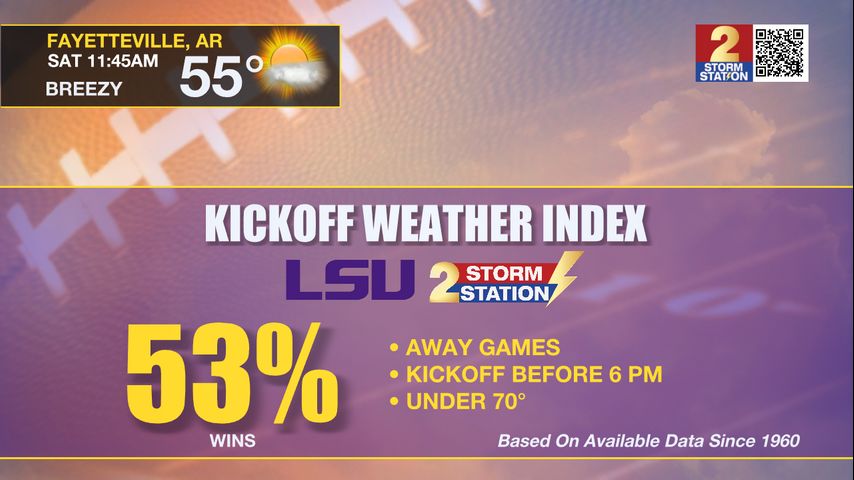
LSU at Arkansas: 53% Weather Index Win Probability, Upper 50s and Breezy for 11:45 a.m. Kickoff
LSU has a 53% historical win probability for Saturday's 11:45 a.m. kickoff at Arkansas with upper 50s and...

Broncos Coaches, Players Initially Thought Aaron Rodgers News Was Fake; Denver Focused on Mason Rudolph
Broncos coaches and players woke Wednesday to news that the Pittsburgh Steelers had benched and then released Aaron...

Joe Tessitore Criticizes CFP Committee Over Tennessee-Alabama Ranking Flip
The College Football Playoff committee moved Tennessee to No. 5 and dropped Alabama to No. 6 on Nov....