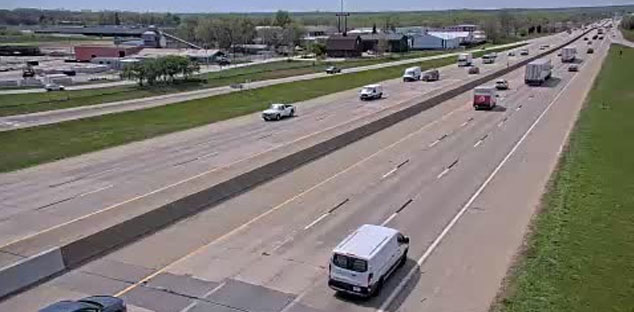
Iowa traffic fatalities are running slightly higher than last year’s record lows, according to data released during a recent state Transportation Commission meeting.
While the year-to-date numbers show a small increase, recent years show much lower statistics. Radio Iowa reported that fatalities for 2026 are up 3.8% compared to 2025, yet they remain 15% below the five-year average.
The recent uptick in deaths is heavily influenced by a shift in the severity of specific accidents. Although the total number of deaths has risen slightly, the frequency of high-impact collisions has seen a notable jump.
A concerning trend emerged in the data regarding crashes that claim multiple lives. So far in 2026, the state has recorded 18 multi-fatality crashes, which have resulted in 37 deaths.
This represents a sharp increase in high-casualty events compared to the previous year. In 2025, there were 12 multi-fatality crashes that resulted in 24 deaths, Radio Iowa reported.
The distinction between total fatalities and multi-fatality incidents highlights a specific area of concern for road safety officials. While individual accidents may be fewer, the ones that do occur are proving to be more lethal.
| Metric | 2026 Year-to-Date | 2025 Year-to-Date | 5-Year Average |
|---|---|---|---|
| Multi-Fatality Crashes | 18 | 12 | N/A |
| Multi-Fatality Deaths | 37 | 24 | N/A |
The volatility in the 2026 data can be partially traced back to unusual weather conditions earlier in the year. January and March saw unseasonably warm temperatures, which drove higher-than-normal travel volumes across the state.
“Those happen to be, as we discussed last month, very unseasonably warm months. So we did have a lot more travel than we typically experienced in those two months,” Garrett Reeder, the DOT representative, told Radio Iowa.
These two months were the only exceptions to an otherwise downward trend in fatalities. For the remainder of the year, the numbers have largely stayed below the historical average.
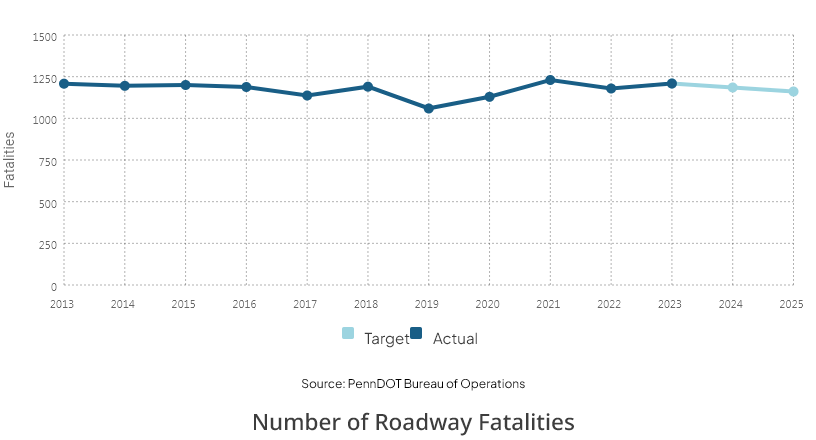
Safety metrics stayed stable during the summer and autumn months. From June through October, which includes the warmest period of the year, fatalities were notably lower than the five-year average.
“For the months of June through October, the warmest months of the year, fatalities were significantly lower than the five-year average. So again considering those warm months have been performing much better than the past five years, again a very positive trend,” said Garrett Reeder.
The data suggests that despite the rise in multi-death incidents, the overall frequency of fatal accidents per month has stabilized. October marked the fifth consecutive month where fatalities were either at or below the levels recorded in 2025.
As of Tuesday, the total death toll stood at 243. This figure was 11 deaths higher than the same date in 2025, but remained 45 deaths below the five-year average for the same period.
Worth a look

How Maine Carpenters Can Lower Insurance Costs
Maine carpenters can lower their insurance expenses by utilizing bundling, safety improvements, and continuous coverage, according to Insureon....

Professional Mermaid Attacked by Fake Rideshare Driver in New Orleans
A professional mermaid and former Muay Thai boxer suffered facial fractures and a concussion after an assailant posing...

HAKC Maintains Waiting List for Family Self-Sufficiency Program
Families seeking to transition from housing assistance to economic independence in Kansas City are on a formal waiting...

Colts Must Rely on Jonathan Taylor to Stabilize Offense Against Dolphins
The Indianapolis Colts face a critical Week 10 matchup this Sunday against the Miami Dolphins at Lucas Oil...