
"We do not want to support Israeli genocide or their actions against the people of Lebanon," demonstrators plan to declare at a national "Save Our Neutrality" protest in Dublin this weekend, Hotpress reported.
The Oireachtas Committee on Defence will sit for an extra evening this week to clear amendments to the Defence (Amendment) Bill 2026, which would remove the UN Security Council veto — the third "lock" — from overseas deployments of 12 or more Defence Forces personnel. Members will meet Wednesday from 6pm to 9pm alongside previously scheduled sessions Tuesday evening and Thursday morning, RTÉ reported.
Government ministers, including Defence Minister Helen McEntee, Taoiseach Micheál Martin and Tánaiste Simon Harris, want the bill enacted by the end of the year. They argue the current Triple Lock lets permanent Security Council members block Irish peacekeeping.
The committee holds a one-seat Government majority, but Opposition members are expected to use the amendment process to delay proceedings, a tactic Opposition parties describe as necessary scrutiny. The Government could guillotine debate but risks accusations of curtailing discussion, RTÉ reported.
Last month the Dáil approved the bill 79–71. A separate motion for a referendum was defeated 84–77, with Independent TD Barry Heneghan voting against the Government. Nine sitting days remain before the Dáil’s Christmas break, with the final sitting of the year currently Thursday 17 December.
Compromise amendment
Much attention centres on a backbench amendment led by Willie O’Dea to replace the Security Council requirement with a UN General Assembly resolution rule. Government sources confirmed at the weekend that McEntee has permission to draft a similar amendment for report stage if the bill clears committee, RTÉ reported.
Opposition parties say the proposal needs far clearer language on what General Assembly action would suffice and how a government would interpret it before they could support it.
Former Irish ambassador Jim Sharkey wrote in The Irish Times that O’Dea’s compromise "deserves full examination" because it would let Ireland continue peacekeeping despite Security Council paralysis while protecting against "military adventures that are morally questionable."
Opposition and public pressure
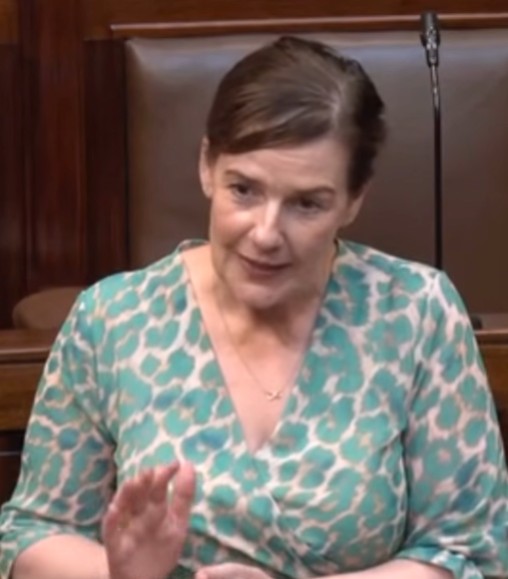
Carlow–Kilkenny TD Catherine Callaghan, a former Defence Forces member, argued during a televised debate that decisions on peacekeeper deployments "should be made in Ireland, and not in Moscow," KCLR 96FM reported.
Former Ambassador Urges General Assembly Alternative
Former Irish ambassador Jim Sharkey wrote to The Irish Times endorsing Willie O’Dea’s proposed amendment to replace the UN Security Council requirement with a UN General Assembly resolution rule. He warned that without UN legitimisation, Ireland risks being squeezed into operations repugnant to its foreign policy traditions or facing retaliation from powerful states, including the United States and major EU partners.
Sharkey noted pressure could come from an “ever-powerful United States, which has declared in the past that ‘those who are not with us are against us'” or from big EU partners arguing on a basis of EU solidarity and wider European security.
Galway Meeting Opposes Triple Lock Overhaul
The event, titled “Neutrality, Democracy, and the Triple Lock,” took place at Áras na nGael on Dominick Street on Monday evening. Organisers said the Government intends to completely overhaul the Triple Lock system by removing the UN aspect, a move that faces significant opposition from those who view it as a threat to neutrality.
The meeting was held as the Oireachtas Committee on Defence prepared for an extra evening session this week to process 224 amendments to the Defence (Amendment) Bill 2026. Government ministers want the bill enacted by year-end, arguing the current Triple Lock lets permanent Security Council members block Irish peacekeeping, particularly with the UNIFIL deployment to Lebanon ending on 31 December.
If the committee finishes its work, the bill returns to the Dáil and Seanad for final report-stage votes before the Christmas recess.
Worth a look

Social Media Trends Drive Magnesium Supplement Interest, Expert Details Forms
A surge in social media wellness trends and celebrity endorsements has driven commercial interest toward magnesium supplements, prompting...

Tube Girl Sabrina Bahsoon Misdiagnosed with Psychosis, Had Autoimmune Encephalitis
"I feel like the urgency to discover what was actually wrong with me wasn't there," Sabrina Bahsoon told...

Consul General Ono Turns Over Japan-Funded Classrooms to Bawing NHS on Nov 12
Japanese Consul General Ono Hirotaka turned over a Japan-funded, one-story, two-classroom building to Bawing National High School on...
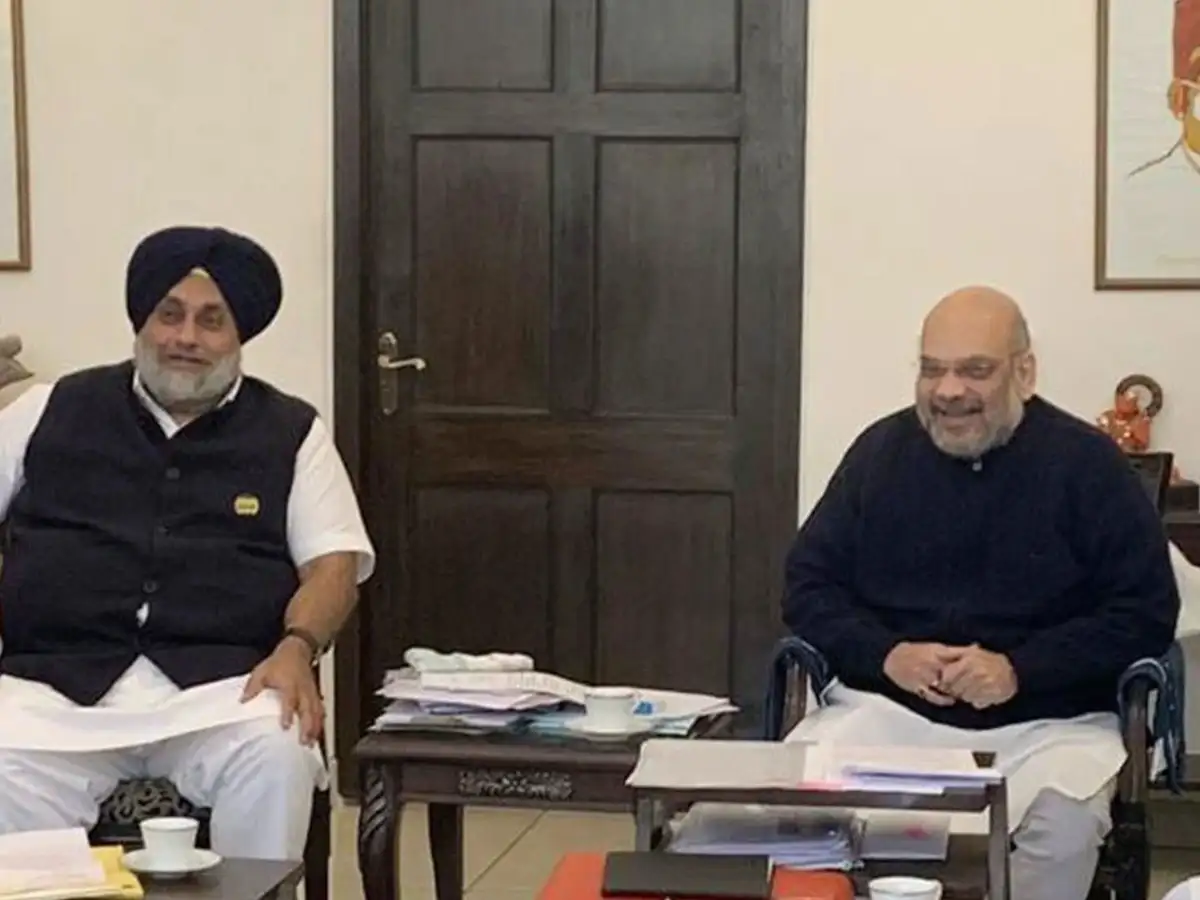
BJP, SAD Expected to Announce 2027 Punjab Alliance at Joint Press Conference
The Bharatiya Janata Party and the Shiromani Akali Dal are expected to announce their alliance for the 2027...