
“I feel like the urgency to discover what was actually wrong with me wasn’t there,” Sabrina Bahsoon told BBC News, describing the two months she spent on a psychiatric ward before doctors identified a treatable autoimmune disease.
The 26-year-old content creator, known globally as Tube Girl after her London Underground dance videos went viral in 2023, was sectioned in March 2025 following what appeared to be a psychotic episode. She was treated with antipsychotic medication until further tests — pushed for by her family with help from her father’s neurologist friend — revealed anti-NMDA receptor encephalitis caused by ovarian teratomas, BBC News reported.
Bahsoon’s symptoms began in March after filming a video with girl group Flo on the Tube. That evening she began to scream and cry, and her conversations became “very erratic,” she said. The next day she broke up with her boyfriend unexpectedly, prompting her sisters to check on her.
Her condition worsened: she became violent toward herself, posted nonsensical videos, and spoke of hallucinations. A&E doctors initially attributed her symptoms to stress and lack of sleep, discharging her with sleeping tablets. Days later, police brought her to hospital in handcuffs after she began destroying things at home.
On the psychiatric ward, antipsychotic medication made her “docile,” she said. “I went from being a total firecracker to being completely catatonic. I stopped eating, drinking. I could not speak properly.”

Two months into her admission, doctors diagnosed anti-NMDA receptor encephalitis — a rare autoimmune condition in which antibodies attack the brain, sometimes presenting as psychiatric symptoms, seizures, confusion and memory loss. The antibodies were produced by teratomas in her ovaries. Surgery to remove the tumours in June brought a “drastic” change, she said, shifting her from “freaking out” to understanding what was happening around her.
Bahsoon has been recovering in Malaysia and undergoing therapy for the trauma. Doctors have told her she is among a small percentage of patients expected to make a full recovery.
In her first interview since the experience, Bahsoon said she wants hospitals to offer a series of tests as standard practice when patients present with psychotic symptoms. “I do feel let down by the care I received,” she said. “And I also feel as a woman being written off completely as a psychotic patient without further investigation was a mistake.”
Dr Ava Easton, chief executive of Encephalitis International, told BBC News the speed of personality change is “frightening.” She said: “A person may suddenly seem confused, distressed or [to be] experiencing psychosis when the underlying problem is actually inflammation of their brain.”
A spokesperson for Imperial College Healthcare NHS Trust, which first treated Bahsoon, said they were “very sorry” for her experience. An internal review found some aspects of her initial assessment “were not followed up as they should have been,” and an investigation has been launched to identify improvements.
Bahsoon first shared her story in a TikTok video in October. She plans to return to content creation in the new year. “I hope I’m sharing my story so that nobody else has to go through this,” she said.

Consul General Ono Turns Over Japan-Funded Classrooms to Bawing NHS on Nov 12
Japanese Consul General Ono Hirotaka turned over a Japan-funded, one-story, two-classroom building to Bawing National High School on...
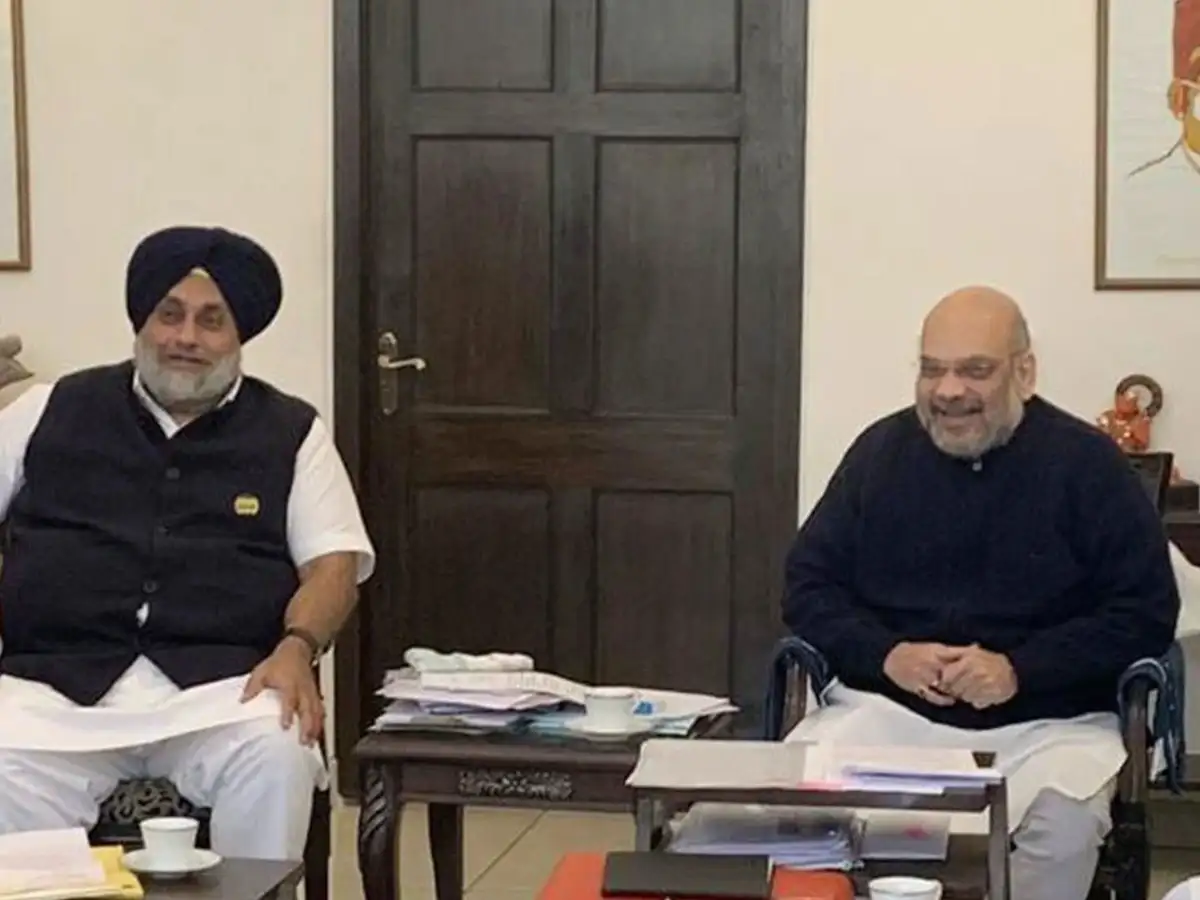
BJP, SAD Expected to Announce 2027 Punjab Alliance at Joint Press Conference
The Bharatiya Janata Party and the Shiromani Akali Dal are expected to announce their alliance for the 2027...

Texas Attorney General Ken Paxton dismissed lawsuits against two Dallas pediatricians on Friday
Texas Attorney General Ken Paxton dismissed lawsuits against two Dallas pediatricians on Friday, ending the state's enforcement actions...

Prabowo Submits Amran, Sugiono as Vice Presidential Nominees to MPR
President Prabowo Subianto submitted two vice presidential nominees to the People’s Consultative Assembly (MPR) on Monday, naming Agriculture...