
Brushing against a stinging nettle often brings immediate advice to find a dock leaf, but the time-honoured remedy probably does not work in any way unique to the plant, according to a report by The Guardian.
When skin meets a nettle, tiny hairs pierce the surface and release a chemical mixture containing histamine, acetylcholine, and serotonin. These compounds trigger localized burning, itching, and redness.
Could dock leaves contain chemical substances that actively counteract the sting, such as natural antihistamines?
Maybe, but probably not,
John Tregoning said. Tregoning is a professor at Imperial College London and author of Live Forever? A Curious Scientist’s Guide to Wellness, Ageing and Death. He noted a lack of evidence that dock leaf sap holds properties capable of significantly relieving the reaction.
Nerve cells can process only a limited number of sensations at once. Overstimulating those cells through the physical act of rubbing leaves less neural capacity available for pain feedback.
Rubbing a leaf against the affected skin may provide a competing sensation that temporarily distracts from the pain, The Guardian reported, citing Tregoning.
The physical act of searching for the plants adds another layer of distraction. The short burst of pain often subsides during the time spent hunting for the leaves, while applying sap may offer a minor cooling or soothing effect.
None of those factors, however, remain exclusive to dock plants. A small study compared dock leaves with lettuce leaves as a treatment for nettle stings among nine medical students, finding no meaningful difference between the two options.
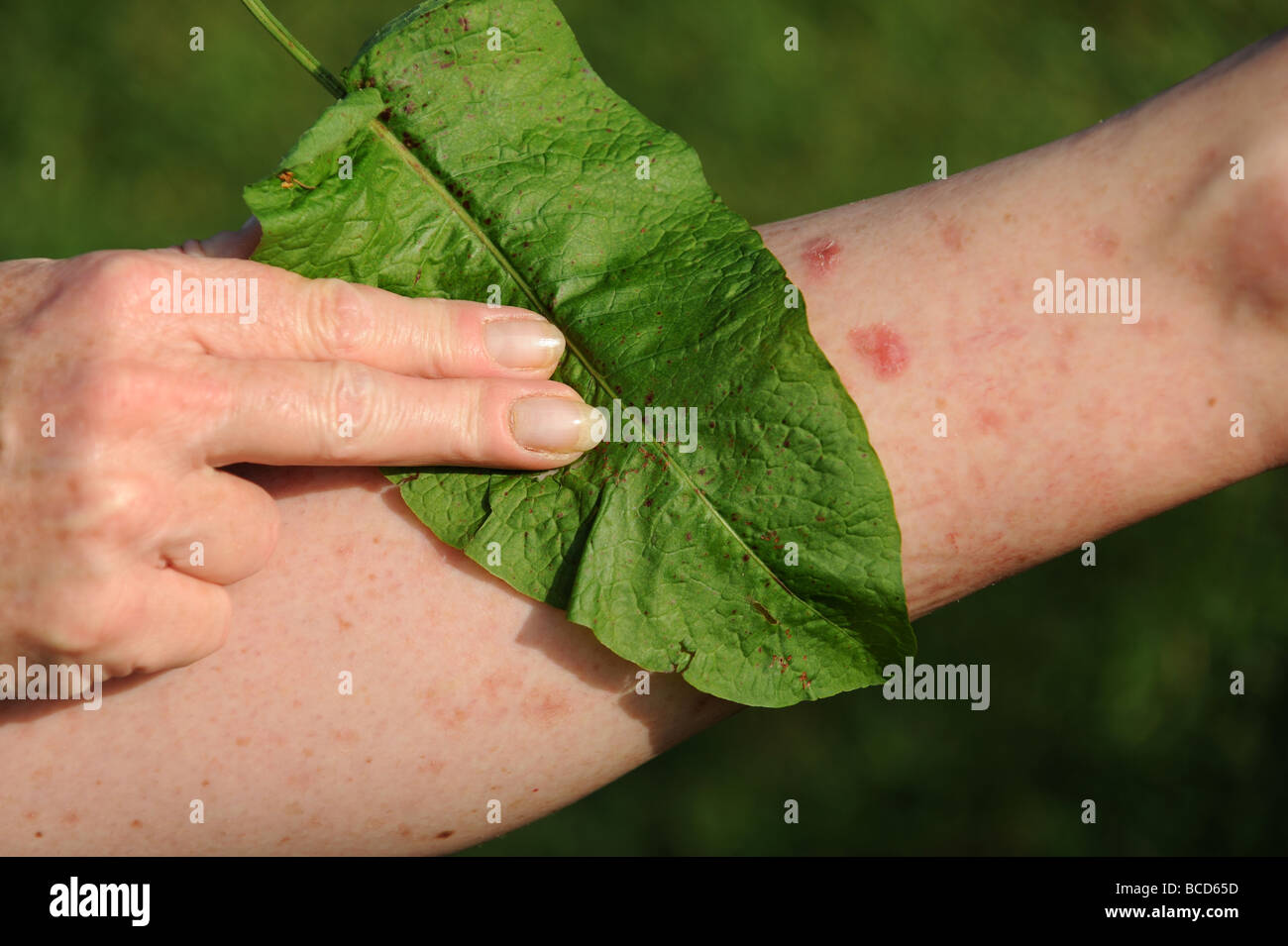
Tregoning suspects that any perceived benefit reported by individuals is most likely attributable to a placebo effect.
Worth a look

Why Wyoming Residents Are Taking the Plunge Into Icy Rivers This Winter
For 24-year-old Felicity Hnilicka, the morning ritual in Lander, Wyoming, involves something most people actively avoid: plunging into...

Marhum Pekan Set to be Recognized as National Hero
In a move that marks the culmination of nearly four decades of civic advocacy, Sultan Muhammad Ali Abdul...

How 20 Minutes of Daily Home Workouts Transformed Skye Mackintosh
By committing to 20 minutes of daily strength training, Skye Mackintosh transformed his physique over 340 days using...

Ireland Could Secure Leadership Role in Emerging Bioeconomy
Ireland is currently one of the highest producers of plastic waste in the European Union, with the average...