
Israeli tech entrepreneurs are rushing to incorporate their companies in the United States, particularly in Delaware, before it is strictly necessary, driven primarily by fundraising demands and tax incentives, Globes reported on Sunday.
Delaware Incorporation Drive
Adv. Dr. Oz Halabi, a partner specializing in international taxation at the Cozen O’Connor law firm and co-head of its Israel practice, sees this migration accelerate as founders seek access to larger US capital pools. Private US companies benefit from tax incentives for investors that foreign entities miss, pushing American backers to require US incorporation.
“The primary reason is for raising funds,” Halabi explained, according to Globes.
“In the US, there are tax incentives for investing in private US companies that do not apply to investments in foreign entities.”
Many startups push for this legal shift too early. “People rush to found a US company before it is actually necessary,” Halabi told Globes. He linked the trend directly to political shifts in Israel, noting a dramatic increase during the period of judicial reform.
Corporate Flip Restructuring
Recent months brought a wave of flip transactions where a foreign parent company is placed above the local entity, turning the original Israeli firm into a subsidiary. Bringing these structured companies back to Israel remains difficult without new local tax incentives for investors who sell shares in Israeli companies.
Halabi stressed that maintaining intellectual property within Israel matters just as much as corporate registration. Founders can establish an American entity when investors demand one while keeping development operations and core assets at home for at least five years under specific tax exemptions.
Cross-Border Legal Realities
Operating from New Jersey and taking the bus daily to his office on the 55th floor of the World Trade Center, Halabi bridges jurisdictions without overlapping into Israeli law. His team coordinates with large Israeli law firms to handle US tax, labor, and public company matters while referring clients back to local counsel for Israeli legal needs.
The firm itself operates out of 35 offices worldwide with some 1,100 attorneys.
Amid current market downturns and international criticisms of Israeli political figures, Halabi notes that some international buyers request invoices that do not originate from an Israeli entity despite wanting the technology itself.
“Ours is an Israeli household,” Halabi told Globes, describing his New Jersey home where his wife imports European kosher wine and a third of their children’s friends are Israeli. “As the children leave home, you find yourself a foreigner in a foreign land. Perhaps, eventually, I’ll retire in Israel.”
Keep reading

No. 7 UCLA Moves to 6-0 Behind Filip Jović’s 17 Points in Season Debut, 85-48 Win Over Delaware
No. 7 UCLA moved to 6-0 for the first time since 2016-17 with an 85-48 dismantling of Delaware...

Michigan State Football Finding Future in DT Derrick Simmons, Young QBs After Oregon Loss
Michigan State fell 45-7 to No. 14 Oregon on Friday, Nov. 20, a loss that clarified the program’s...

Wembanyama Scores 50, Says Gomez Presence Made Him Elevate Play
Victor Wembanyama scored 50 points Saturday as the San Antonio Spurs routed the New Orleans Pelicans 114-91 at...
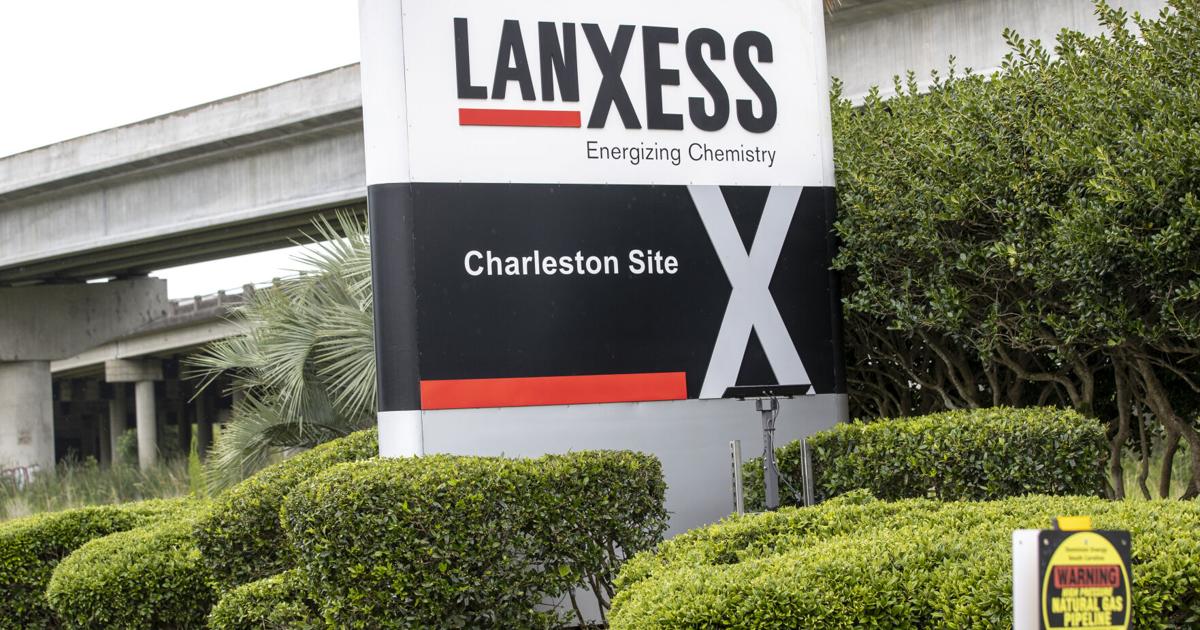
Lanxess Charleston Plant Faces Federal, State Investigations Over Air Permit Violations
South Carolina’s Department of Environmental Services filed a separate enforcement action in October 2025 after reviewing records from...