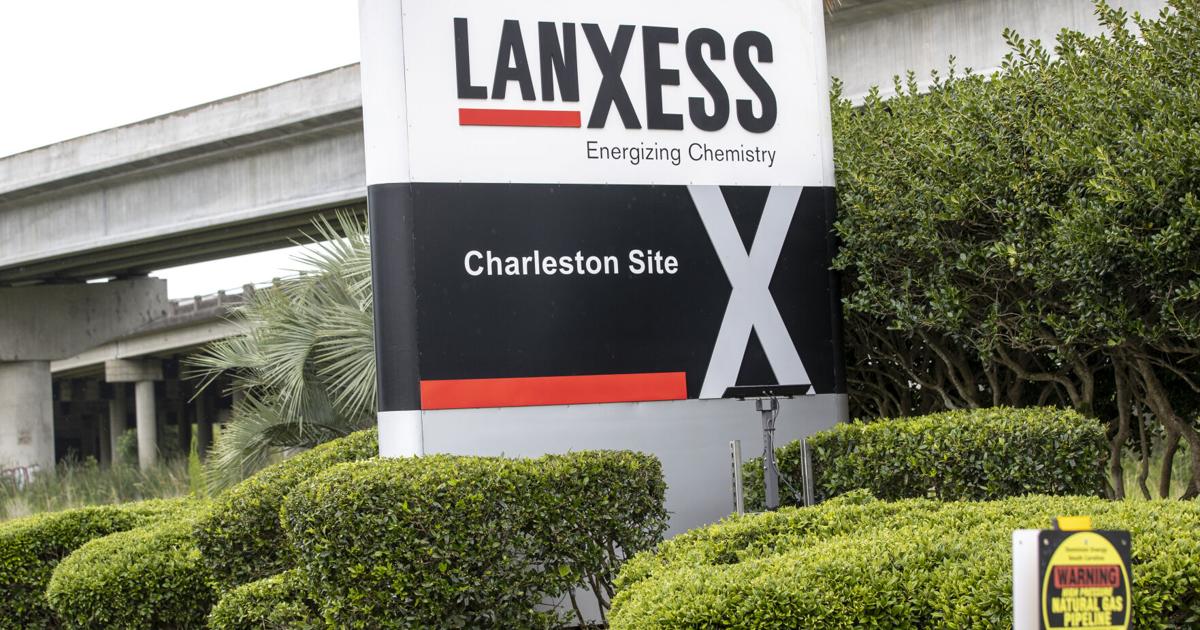
South Carolina’s Department of Environmental Services filed a separate enforcement action in October 2025 after reviewing records from two years earlier.
The agency said the issues involve “record keeping and documentation as it relates to the facility’s air permit.”
“Air permits issued by SCDES require facilities to maintain detailed records, compliance testing data and monitoring information that our program staff review as part of our routine inspections and in submitted reports,” DES said in a statement.
The agency added that those “records and documents are vital to providing our agency a detailed overview of the facility’s operations and compliance with the conditions of its air permit and state and federal laws and regulations.”
No penalties have been assessed in the state case. That will “depend on the final determinations and outcome of this enforcement action,” DES said.
Company response and plant history
“Because the matter remains in progress with the U.S. Department of Justice and the (U.S. Environmental Projection Agency), we aren’t able to share any details about the settlement,” Lanxess spokesperson Ellen Presutti wrote in an email to Charleston City Paper. “I can clarify that this is an enforcement matter and not related to environmental remediation activity at our Charleston site.”
A response from Lanxess on the DES investigation was not available before press time.
The plant manufactures phosphorus trichloride and derivative products including flame-retardant additives and agrochemical intermediates. An explosion at the site on June 17, 1991 — then owned by Albright and Wilson — killed nine workers and injured dozens. In recent years, the company has reported a series of small chemical leaks into the atmosphere.
The plant sits just north of the Rosemont community, where residents report a constant foul odor.
In November 2023, Charleston City Paper reported the plant had cut ethylene oxide emissions sharply over the previous four years.
In October 2025, South Carolina’s Department of Environmental Services opened an enforcement action against the Lanxess Charleston plant, citing record-keeping and documentation deficiencies tied to its air permit based on a review of records from two years earlier. The agency stated no penalties have been assessed pending final determinations, and Lanxess spokesperson Ellen Presutti characterized the matter as an enforcement issue unrelated to environmental remediation at the site.
Related reading

Richmond’s Diamond District Years Behind Schedule as Lawsuits and Debt Mount
"The full build-out will take 15 years, and Phase 1A is the foundation," said Maritza Pechin, director of...

Family-Friendly Ghost Walking Tour Covers Austin Haunted Sites
A family-friendly ghost walking tour covering haunted sites around the Texas State Capitol, The Driskill hotel, and the...

West Virginia Plan to Return Children From Out-of-State Care Faces Clinical Questions
West Virginia’s plan to return children from out-of-state residential treatment centers faces questions about whether the new in-state...

No. 7 UCLA Moves to 6-0 Behind Filip Jović’s 17 Points in Season Debut, 85-48 Win Over Delaware
No. 7 UCLA moved to 6-0 for the first time since 2016-17 with an 85-48 dismantling of Delaware...