
The Pistons’ Paint Problem Is All About Jalen Duren
The Detroit Pistons are currently navigating a reality that few predicted during the frantic, high-stakes trade discussions of the past offseason. After a second-round playoff exit last year, the consensus among fans and analysts was that the team desperately needed a secondary scoring threat—a star to pair with Cade Cunningham to break down defenses. Yet, eight games into the 2026-27 season, the most glaring issue isn’t the absence of a marquee scorer. It is the absence of Jalen Duren.
According to reporting from Detroit Bad Boys, the Pistons have dropped from the top of the league in paint production to the bottom third, a decline that correlates directly with Duren’s absence due to a hamstring strain. He has been sidelined for six of the team’s first eight games, and the impact on the floor has been stark. Last season, the Pistons led the NBA with 57.9 points in the paint per game; this season, that figure has plummeted to 44.8, a drop of 13.1 points per game.
Rim Gravity and the Offensive Vacuum
The loss of Duren has fundamentally altered the geometry of the Pistons’ offense. Last year, his presence provided elite rim gravity, forcing opposing defenses to collapse and creating the space necessary for Cunningham and others to operate. Without that interior pressure, the offense has become easier to defend.
The Detroit Pistons have signed Jalen Duren to a contract extension. pic.twitter.com/BuYbOQdNj2
While the front office successfully addressed the team’s need for perimeter shooting—adding contributors like Isaiah Joe, John Collins, and Taurean Prince—those upgrades haven’t compensated for the loss of interior dominance. The team currently ranks 22nd in points in the paint, a significant departure from their league-leading status a year ago. Even with Ausar Thompson handling the ball more frequently, the team is struggling to find the high-percentage looks they previously generated through back cuts and dunker-spot actions.
The Statistical Collapse in Second-Chance Opportunities
The impact of Duren’s injury extends beyond his personal scoring contributions. Detroit has tumbled from a top-5 team in second-chance points to 22nd in the league. Their offensive rebounding rank has similarly cratered, falling from third last season to 28th today. These metrics highlight the human and economic stakes of the injury: when a team loses its primary rebounder and rim protector, the margin for error in every other facet of the game evaporates.
Paul Reed has provided some scoring pop inside, and John Collins has shown flashes in transition, but neither player replicates the specific role Duren plays. When Collins is the only big on the floor, he is often forced to hunt for opportunities from the corners rather than applying consistent pressure at the rim.
A Reckoning for the Fanbase
For weeks, the narrative surrounding the 6-2 Pistons has focused on the desire for a “second star” to help Cunningham. However, the data suggests that Duren is already that essential piece. The team’s offensive efficiency relies on the interplay between perimeter shooting and interior threat. Without Duren, the offense lacks the balance that allowed them to thrive last season.
The current struggle reinforces a core tenet of modern basketball: perimeter shooting is only as effective as the interior space that allows it to flourish. As the Pistons look to stabilize their rotation, the return of their starting center is not just a roster move; it is a prerequisite for the team to regain its competitive identity. Whether the front office eventually finds that secondary scorer or not, the immediate path to success requires the return of the player who defined the team’s interior dominance.
Worth a look
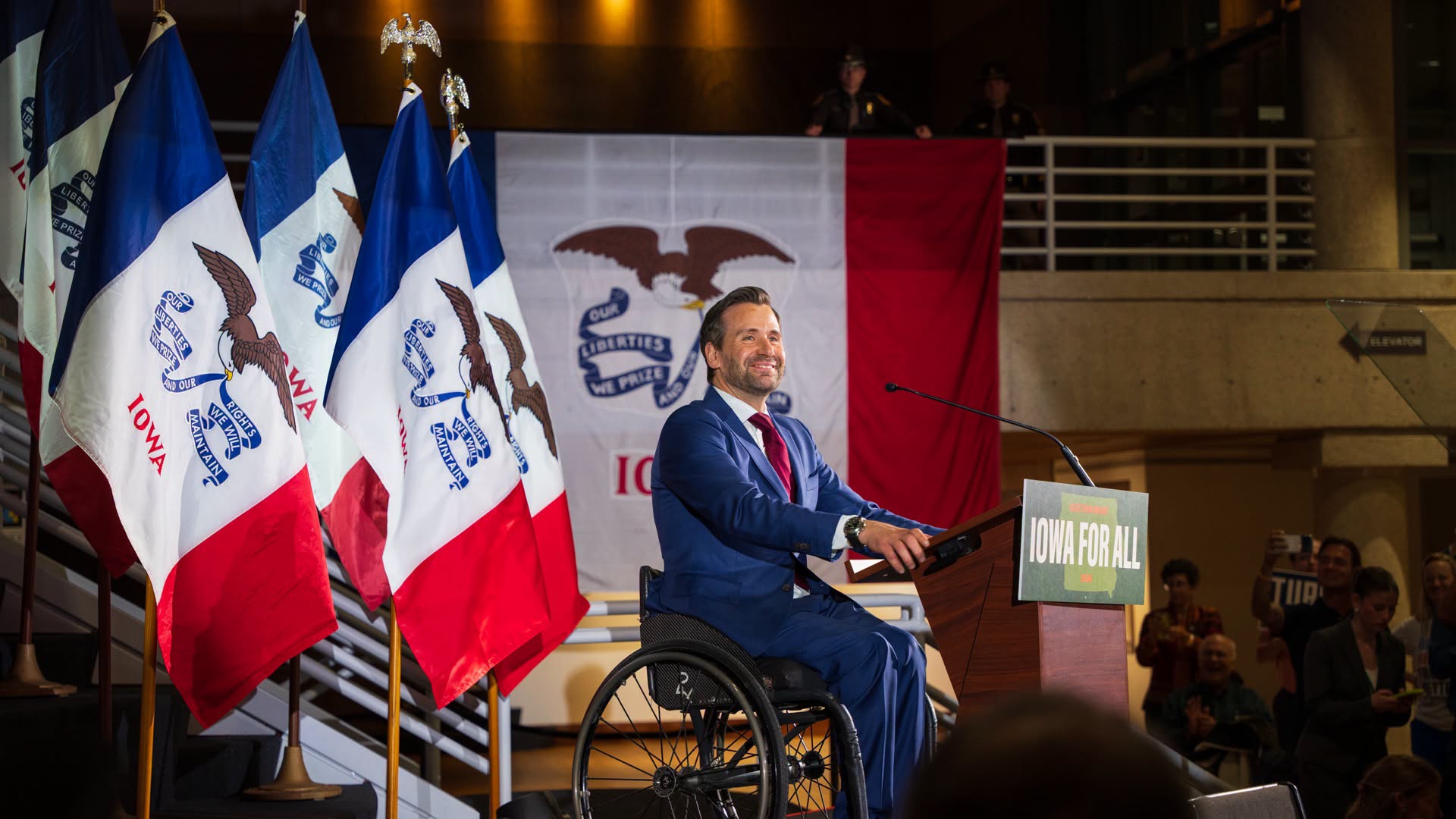
Iowa 2026 Election Analysis: Rob Sand and Josh Turek Lead Democratic Wave
Iowa’s Political Map Shifts as Democrats Break the Trifecta The Iowa political landscape underwent a seismic transformation this...

Convicted Former Senator Nicole Mitchell Wins Woodbury City Council Seat
Nicole Mitchell Wins Woodbury City Council Seat Following Felony Conviction Former Minnesota state senator Nicole Mitchell has secured...

SCAQMD Air Pollution Control Rules and Regulations Guide
Updating the Regulatory Blueprint for California Air Quality When it comes to the complex machinery of environmental oversight...
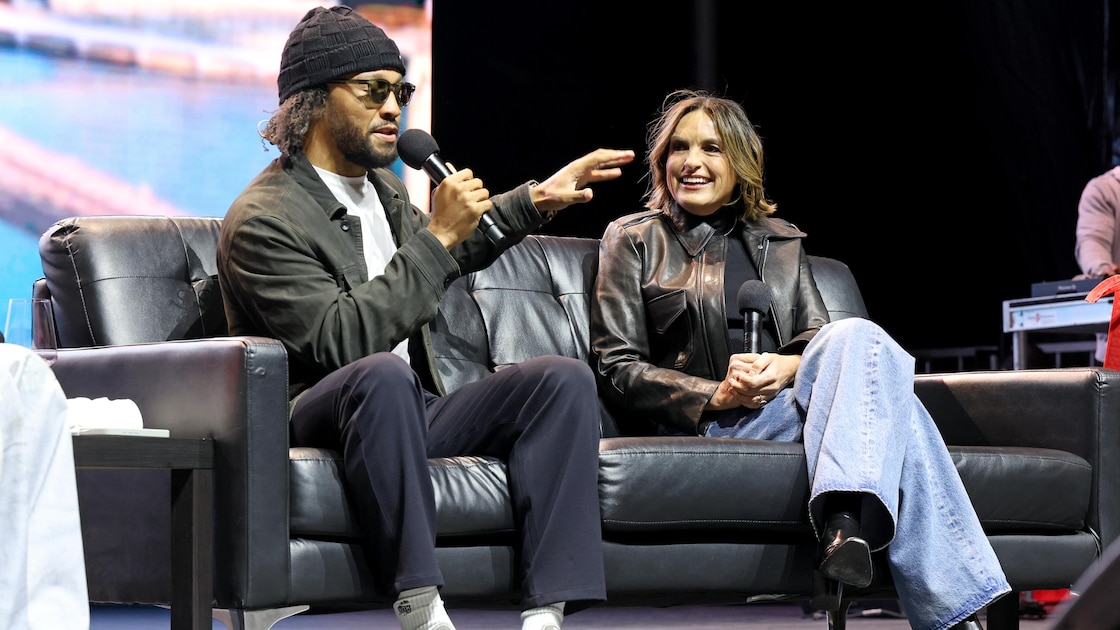
Jalen Brunson Makes Law & Order SVU Cameo as Detective Madison
Jalen Brunson Trades the Hardwood for the Precinct in SVU Cameo New York Knicks star Jalen Brunson made...