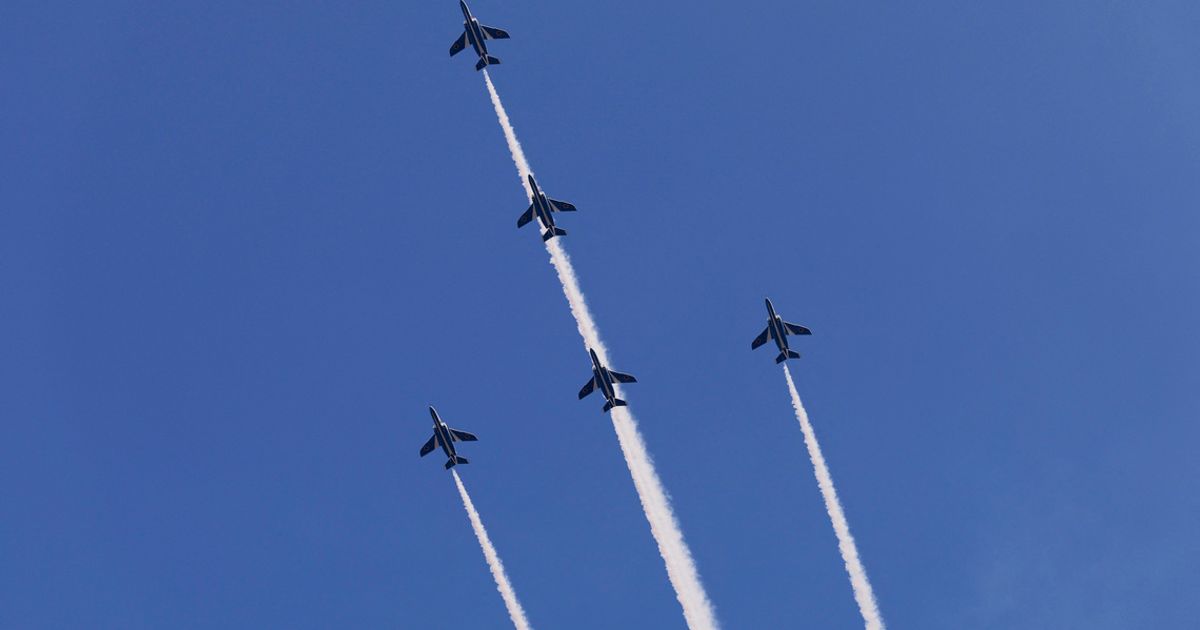
Two suspected Russian aircraft violated Japanese airspace over territorial waters near Okinoshima island early on Tuesday, prompting Tokyo to scramble fighter jets and lodge a formal protest with Moscow.
Incursions near Okinoshima
The incident occurred in the early hours of November 17, 2026, when two aircraft identified by Japanese authorities as Russian entered the nation’s airspace northwest of Okinoshima, a small island in Fukuoka Prefecture.
According to the account provided by the Japanese Defence Ministry, the first aircraft breached sovereign airspace from approximately 4:07 a.m. to 4:10 a.m., followed by a second aircraft between 4:09 a.m. and 4:12 a.m. This timeline reflects two incursions of roughly three minutes each within a five-minute window.
The Air Self-Defence Force scrambled fighter jets to intercept the planes, issuing radio warnings and notifications. The aircraft subsequently transited the Tsushima Strait, flew between Yonaguni island and Taiwan, and proceeded into the Pacific Ocean. While officials did not identify the specific types of aircraft involved, the top government spokesman, Minoru Kihara, confirmed the breach lasted roughly three minutes for each plane.
Japan lodges stern protest against Russia over flight path
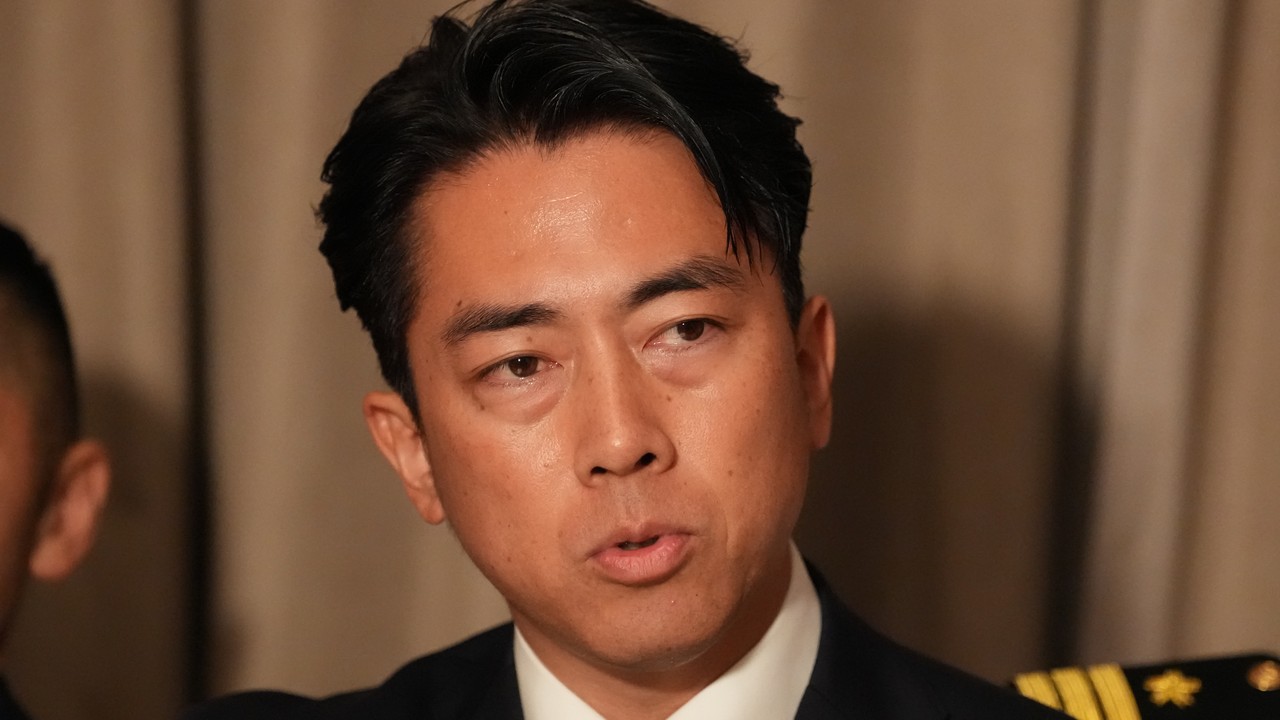
The Japanese government characterized the flight path as a “serious infringement of Japan's sovereignty” and deemed the safety threat “completely unacceptable,” Kihara said. Defence Minister Shinjiro Koizumi confirmed that Japan lodged “an extremely stern protest” with Russia through diplomatic channels, demanding that the nation take measures to prevent any recurrence of the incident.

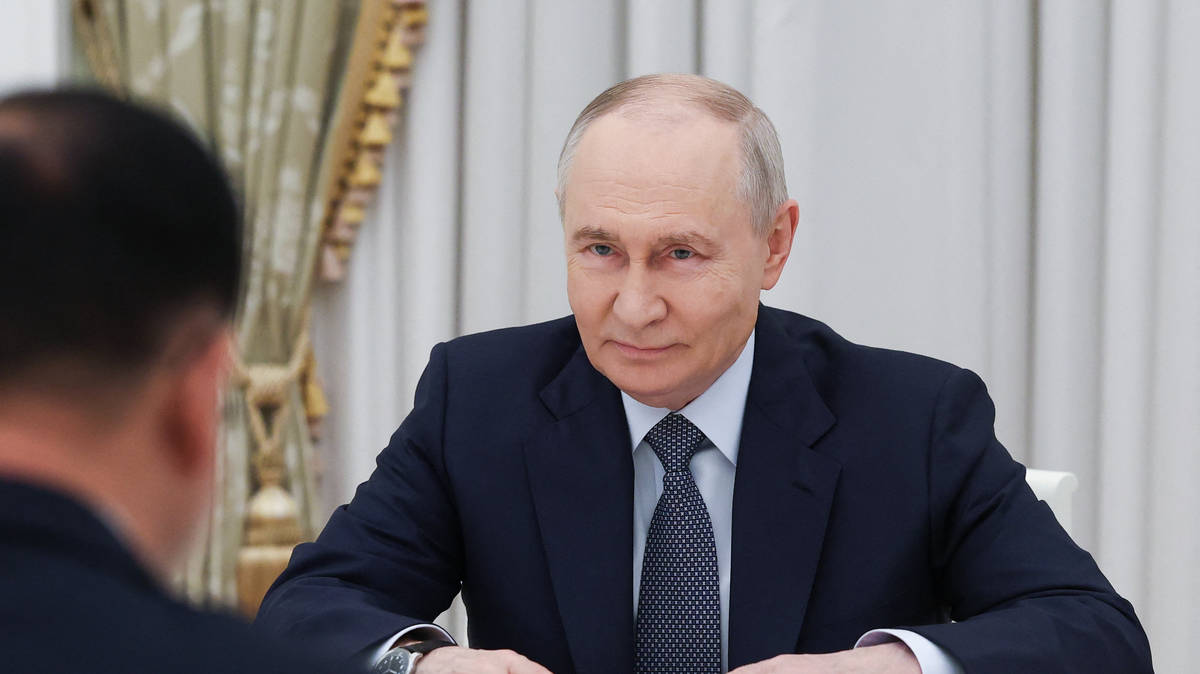
The event coincides with a week of high-level diplomatic activity in China, where the Asia-Pacific Economic Cooperation summit is scheduled. Prime Minister Sanae Takaichi is expected to attend the forum, and reports indicate that Tokyo had sought a meeting with Russian President Vladimir Putin to address deteriorating bilateral relations. The Kremlin stated on Nov 16 it had not ruled out the possibility of talks.
Activity reported by South Korea and Taiwan
The airspace breach over Japan occurred as other regional powers also reported Russian military activity in their respective air defence identification zones.
South Korea’s Joint Chiefs of Staff reported that several Russian military aircraft entered and later exited its identification zone over waters between the Korean Peninsula and Japan early on Tuesday. Authorities in Seoul confirmed that while jets were deployed, the aircraft did not violate South Korean sovereign airspace.
Taiwan’s defence ministry also detected two Russian military aircraft operating off its east coast on the same day. The ministry stated it “monitored the situation and responded accordingly.” Neither Seoul nor Taipei reported a violation of their sovereign territorial airspace. While there is no legal obligation to do so, foreign military planes are anticipated to provide notification to authorities before they enter these specific air defence identification zones.
Precedent of Russian military activity
The incident follows a history of similar encounters, though territorial violations remain infrequent. The last confirmed incursion into Japanese airspace occurred on September 23, 2024, near Rebun island in Hokkaido. According to The Japan Times, the 2024 incursion involved three separate entries by aircraft and the deployment of flares by jets, marking the first time a Russian entry had been publicly disclosed since 2019. Tuesday’s announcement described warnings, with no mention of flares.
Relations between Tokyo and Moscow are increasingly strained due to a long-standing territorial disagreement regarding a group of islands located in the Pacific Ocean. The Soviet Union seized the Kuril Islands from Japan in the final days of World War II. For months, Moscow has been ratcheting up the pressure on Tokyo. In August, Japanese Prime Minister Sanae Takaichi voiced strong disapproval after Putin made his inaugural visit to one of those islands.
Furthermore, Japan issued a protest in August regarding Russia’s notification that it intended to hold missile drills off the coast of one of the disputed islands Putin had visited. In October, Russia detained a Japanese journalist on spying allegations.
Earlier this month, a presidential order from Putin placed several Japan Tobacco Inc. subsidiaries under the temporary control of a Russian firm; Japan protested this action and requested its immediate reversal.
Related reading

Judge Blocks Indiana Senator Garten From Being Seated Amid Election Dispute
A Southern Indiana judge has granted a temporary restraining order preventing Republican state Sen. Chris Garten from being...

Eric J. Nelson Obituary (1970 – 2020) – Kankakee, Illinois – Jensen Funeral Home
Eric Joseph Nelson passed away at the age of fifty on Wednesday, March 18, 2020, at his father’s...

Advancing Tiny, High-Powered Energy Storage Devices With First-of-its-Kind 2D Alloy Ink
Batteries store charge through chemical reactions rather than physical accumulation, which limits their lifespan and makes them ill-suited...

Connecticut DOH Urges Landlords to House 400 Voucher Recipients
Connecticut housing officials are calling on landlords across the state to step up and offer vacant apartments to...