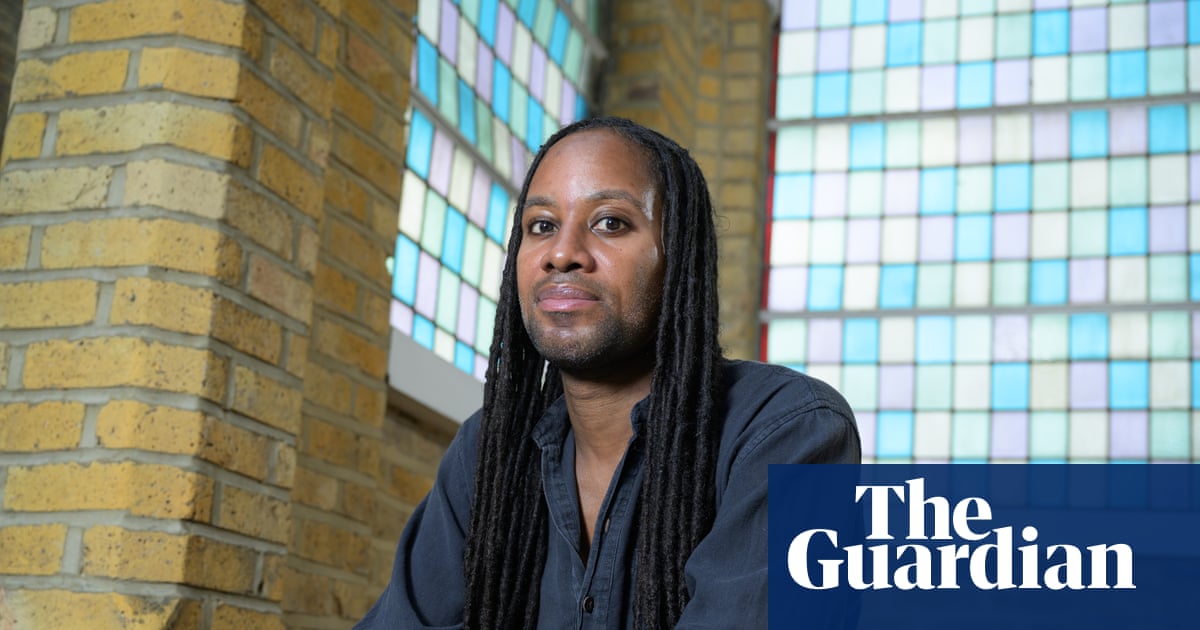
Jason Arday, the former University of Cambridge professor whose body was found at his home in south London on Friday, has died at the age of 41, according to Al Jazeera. The Metropolitan police stated that his death was unexpected, though it is not believed to be suspicious.
Jason Arday Death Prompts Tributes and National Reflection Calls
The passing of the former academic follows intense public and media scrutiny regarding his academic credentials, which led to his resignation from the University of Cambridge on August 5.
Political Reaction and Calls for Reflection
Political leaders across the United Kingdom responded to the news with statements calling for national reflection. Speaking to broadcasters during a visit to Cornwall, Theguardian reported that the prime minister described the event as a tragedy on so many levels, but particularly just for everybody who knew Jason, his family obviously, his friends.
The prime minister added, It’s not a moment for any rushing to judgment. It’s a moment for reflection, I would say, reflecting on how things came to this.
London Mayor Sadiq Khan expressed devastation for Arday’s family and friends, stating that the former professor faced an unacceptable public hounding and a campaign of abuse. Other figures, including Labour MP Bell Ribeiro-Addy and Scotland’s First Minister John Swinney, also commented on the intensity of the scrutiny surrounding the case. Conservative MP James Cleverly expressed anger over the death and argued that academic institutions have serious questions to answer regarding how the situation was handled.
Scrutiny, Resignation, and Investigations
Arday resigned from his post last week following plagiarism allegations, which he denied while admitting to errors in his work. The controversy initially arose after self-defined “race realist” Nathan Cofnas—who was sacked from his Cambridge role in 2024—reported finding numerous instances of plagiarism. Additional questions were raised regarding aspects of Arday’s life story, including a charity run and fundraising figures, which BBC reported he later clarified were completed over a 12-day period with the help of others and raised alongside others.

Arday attributed some errors in his early academic work to his childhood diagnosis with autism and language delay, during which he relied on mimicry to process information. Prior to his appointment as Cambridge’s youngest-ever Black professor at age 37 in 2023, he worked as a professor at the University of Glasgow.
Following his resignation, Liverpool John Moores University, which awarded him a PhD in 2015, concluded that he had not plagiarised work. Meanwhile, Cambridge announced an independent investigation surrounding the circumstances of his appointment. In a statement released on Saturday, Cambridge Vice-Chancellor Deborah Prentice extended condolences to Arday’s family, colleagues, and students in the Faculty of Education and at Jesus College, where he served as a Fellow.
Family Statement and Support Network Concerns
In a statement issued through his publisher, Simon & Schuster UK, Arday’s family expressed that they were in shock to have lost this amazing father, partner, brother, uncle and son.
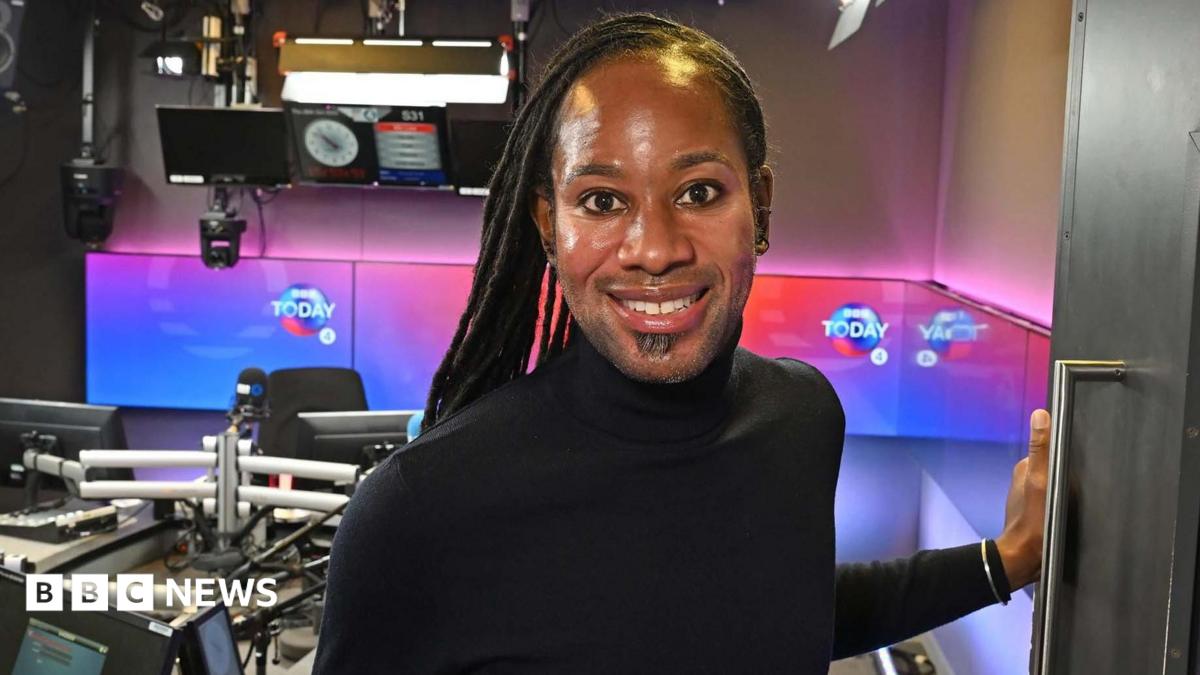
Simon Baron-Cohen, a clinical psychologist, director of the Autism Research Centre, and friend of Arday, told Radio 4’s Today programme that he received voice notes from Arday on Friday morning expressing that he felt unable to go on. Baron-Cohen emphasized that Arday was a vulnerable individual diagnosed in childhood with disabilities, including autism and language delay, who required safeguarding, support, and reasonable adjustments.
Worth a look
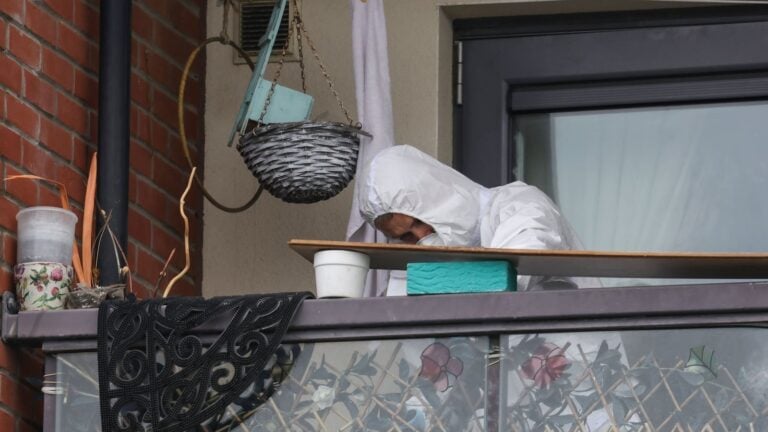
Man Arrested After Woman Seriously Injured in Belmayne Balcony Fall
A man in his 20s was arrested in Dublin following an alleged serious assault that left a woman...
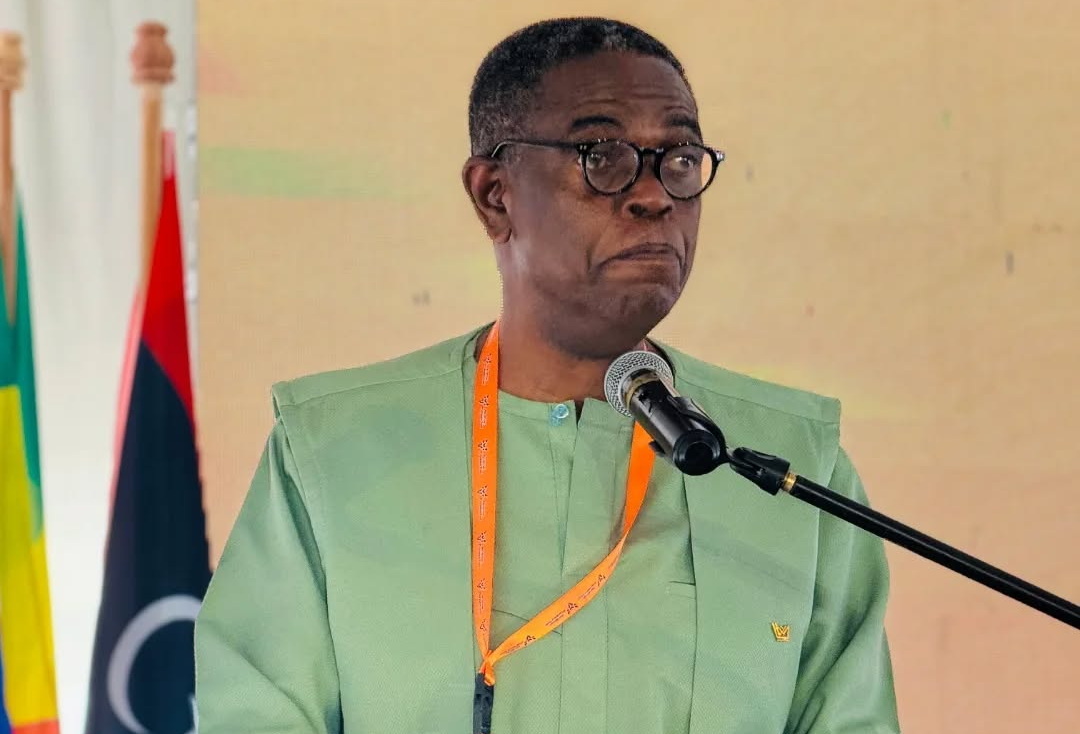
Kwesi Pratt Jnr Receives Honorary Doctorate for Democratic Struggle
Comrade Kwesi Pratt Jnr., a prominent Ghanaian journalist, Pan-Africanist, and field commander of demonstrations, has received a doctorate...
Ramaphosa to Address Nation on Gender-Based Violence and Femicide
President Cyril Ramaphosa will address South Africans at 7 pm on Tuesday, September 29, 2026, to outline government...
UK Temperatures Forecast to Reach 25°C Following Southerly Airflow
Temperatures across parts of the UK are set to reach 25°C on Tuesday, driven by a strong southerly...