
On the evening of Monday, November 4, the Jefferson City Council faced a reality check on its plans to halt new development to protect the city’s strained water supply, The Standard Banner reported. The conclusion from City Attorney Robert Burts was stark: a building moratorium is legally complex and will take considerable time to enact, a process measured in months, not weeks.
The Moratorium’s Long Road
Implementing a moratorium to protect Jefferson City’s water supply will not be instantaneous, much like a massive ocean liner that needs miles to come to a stop. Burts informed council members that conversations with the city’s Building Department Director Jeff Houston, East Tennessee Development District Planner Jordan Rockwell, and attorney Melissa Ashburn from the University of Tennessee’s Municipal Technical Advisory Services have laid out a necessary, multi-step process. This isn’t a simple council vote. Ms. Ashburn, in particular, advised that a moratorium must be in the form of a zoning ordinance amendment, which requires it to first go through the Planning Commission after the standard notice and public hearing process. Only then can it come before the City Council under the usual zoning regulations.
The attorney outlined the phases ahead, starting with justifying the action and demonstrating the city has the proper legal authority. The council must also define the moratorium’s scope. “Is it residential only? For over 5 units, over 10 units? … Is it just residential, or does it apply to commercial and industrial also?” Burts asked, highlighting the critical policy decisions that must be made.

Another major hurdle is the one-year lifespan of a moratorium, which is not automatically renewable. “I don’t know if we can extend it, but we can at least go through the whole process again to do another year,” Burts explained, suggesting that a permanent solution would require a permanent legal fix, not a series of temporary pauses. He strongly recommended the city communicate officially with bulk water customers like the New Market and Shady Grove utility districts, as well as the Jefferson County Regional Planning Commission, which has oversight in the municipality’s “planning area.”
Even after the moratorium is officially in place, it won’t affect projects already in the pipeline. “Under Tennessee law, (for) any developer, their development is based on the law at the time of their application and not what it is six months down the road,” the attorney clarified. If a developer applies for a building permit on December 1, the laws and rules on that day apply to them. However, Houston can inform applicants of the looming water crisis, telling them, “There’s a crisis at the water plant. And until we get the water supply straightened out, they may be able to build, but there’s a risk they wouldn’t be able to have water.”
The Water Plant’s Reality
This legal and procedural reality exists against a backdrop of a severe infrastructure challenge. City Manager James Gallup has stated that increasing the water plant’s output toward its designed capacity of 7 million gallons per day could “take four or five years.” This long timeline shows the council's urgency to act, but also the frustrating gap between a desire for an immediate stop and the legal reality of how government works.
With this legal reality established, the council suspended the moratorium item to a later meeting, allowing City Manager Gallup’s staff to proceed with the necessary groundwork in light of Burts’ advice.
Immediate Action Amid the Delay
While the moratorium conversation took center stage, the council moved forward on other pressing matters. The most immediate and tangible action was the unanimous approval to fund a pilot study of two different membrane filtering systems at the water plant. The systems are a Purifics CUF (continuous ultra filtration) system at $37,000 and Ultressa’s SIC (silicon carbide) CPM (ceramic pressurized module) at $45,000. This represents a concrete step toward solving the water supply issue, even as the legal framework for a full development halt remains a distant prospect.
In other business, the council also:
- Voted to subdivide a city-owned Municipal Drive parcel, allowing a portion to be used for a park and transferring about 16 acres to the Industrial Development Board for sale.
- Authorized spending for a washer and dryer for turnout gear at Jefferson City Fire Department Station No. 2, and approved a construction change order to improve the flooring at the nearly finished Odyssey Road facility.
- Modified the eligibility criteria for the PARADE committee so that property owners are permitted to apply for seats on the events board.
- Approved the use of gov.deals by the Jefferson City Police Department to facilitate the sale of three 2016 Ford SUV cruisers.
Mayor Honors Late Councilman's Service
The desire to stop new construction to preserve a vital resource is clear, but the legal reality is that development approved in the coming months could proceed even after a moratorium is eventually passed.
The Jefferson City Council will reconvene for its monthly work session at 5 p.m. on November 17, where the complex process of building a legal moratorium will continue to take shape.
Related reading

BJ’s Wholesale Club Opens New Frankfort Kentucky Location
Frankfort, Kentucky, is getting a new retail heavyweight. BJ's Wholesale Club announced today that its second location in...
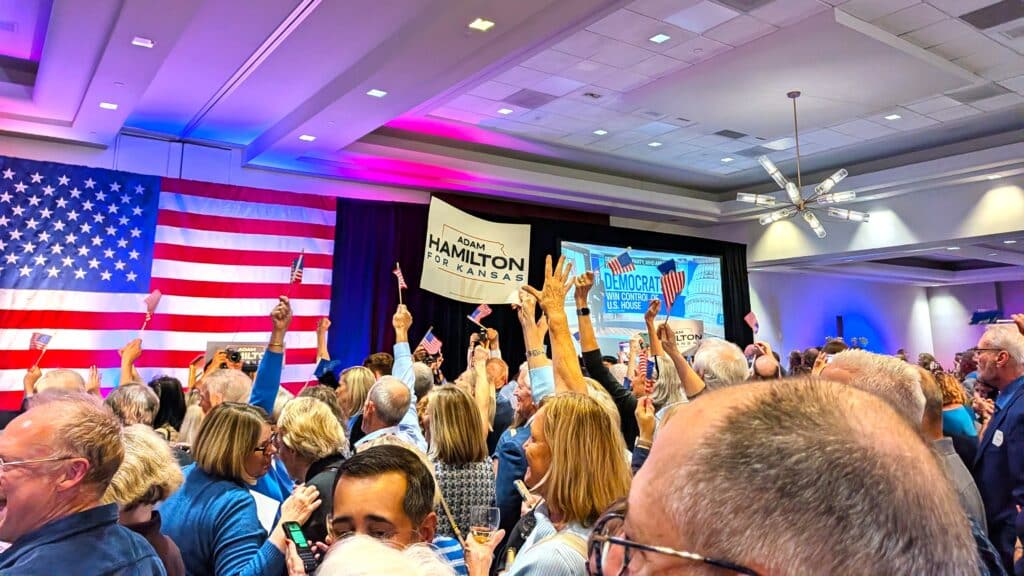
Kansas Boy Witnesses Historic Senate Victory
On Tuesday night, Adam Hamilton defeated incumbent Republican Roger Marshall, becoming the first Democrat elected to the U.S....

Boise State QB Maddux Madsen Questionable for Week 10 vs. Colorado State
Maddux Madsen listed as questionable ahead of Boise State at Colorado State Boise State quarterback Maddux Madsen is...
New England Midterm Election Results: Democrats Secure Sweeping Wins and Senate Gains
New England Democrats Ride National Blue Wave to Senate Gains, Statehouse Wins Democrats in New England are celebrating...