Bedrock, Wells, and a Political Gamble in Jefferson County
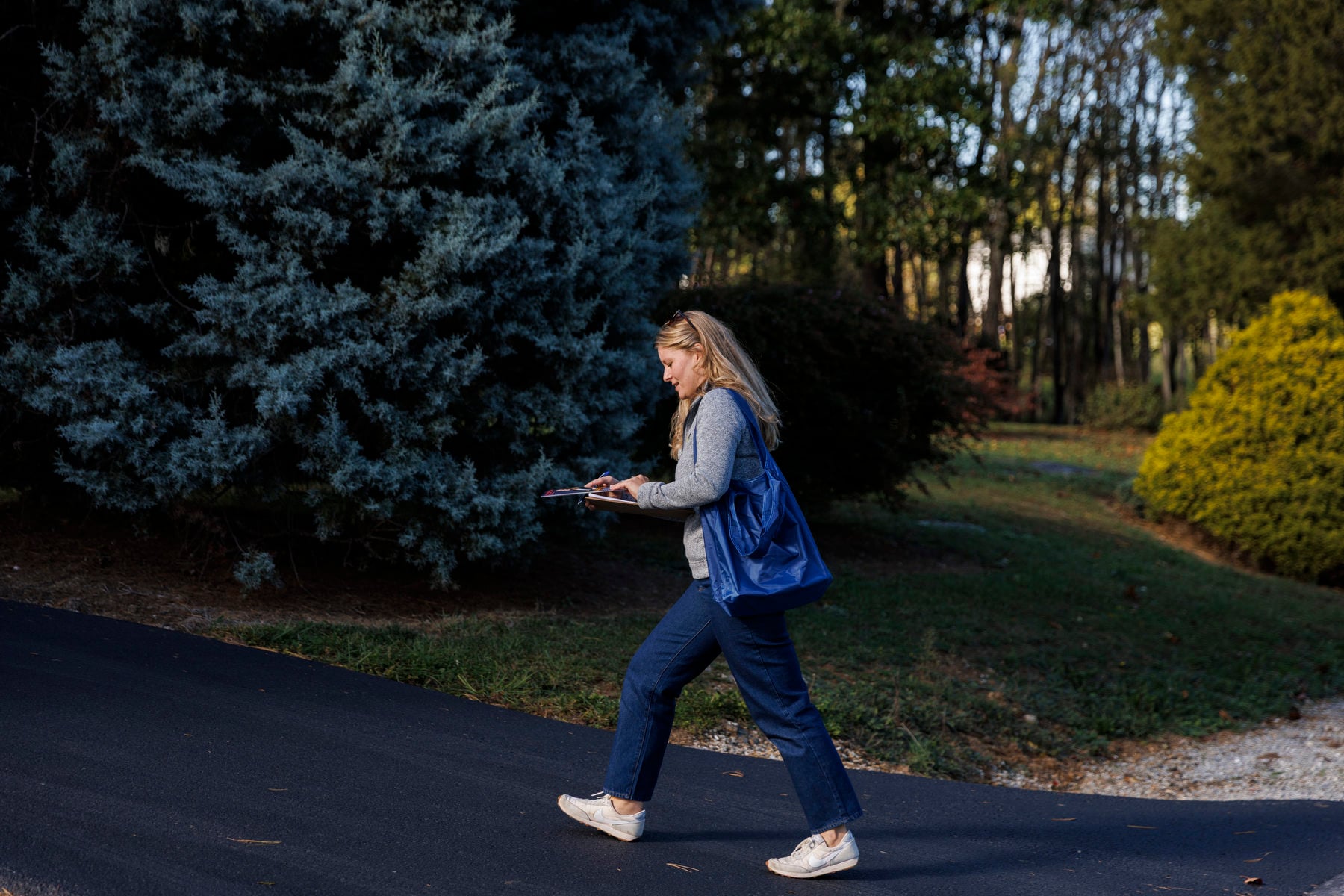
Over and over on an October Saturday in the Eastern Panhandle, Jenny Thacker had to explain to voters why the local groundwater is uniquely vulnerable. “Basically, instead of having soil that the water goes down through evenly and filters all the bad stuff out, we have a broken bedrock, and so there’s cracks,” Thacker told people at a 4-H fundraiser in Jefferson County, 19thnews.org reported.
Thacker is nine months into a campaign to flip a House of Delegates seat for Democrats in West Virginia. With just two weeks left before the November 2026 election, data centers have emerged as the dominant kitchen-table issue in her district. For residents who rely on private and municipal wells—accounting for up to 90 percent of the local population—the threat of chemical coolant contamination and rapidly dropping water tables is intensely personal. Drilling a brand-new well through that broken bedrock carries a $25,000 price tag.
The political friction traces back to a law enacted last year that stripped local municipalities and counties of their oversight powers. Backed by a Republican supermajority, the legislation established a state-level “one-stop shop” for data center permitting, effectively barring local governments from enforcing ordinances or land-use rules regarding high-impact digital infrastructure sites. Only three Republicans in the House and one in the Senate broke ranks to vote against it. Thacker’s opponent, Del. Bill Ridenour, voted yes.
Rewriting the Map in Deep-Red West Virginia
West Virginia is not natural territory for Democratic insurgencies. The state backed Donald Trump by a wider margin than any state except Wyoming, and local voters haven’t cast a ballot for a Democratic presidential candidate since Bill Clinton’s reelection in 1996. The state legislature currently features 91 Republicans to just nine Democrats in the House, and 32 Republicans to two Democrats in the Senate. Women hold only about 11 percent of the legislature's 134 seats, giving West Virginia the lowest proportion of female lawmakers in the country.

Yet state Democratic Party recruiters saw an opening by focusing on female candidates who were already deeply enmeshed in their communities, advocating for public education, childcare accessibility, and utility costs. Lacey Connelly, a political director with the West Virginia Democratic Party, noted that candidate recruitment shifted toward women because they are typically the ones interacting directly with strained local systems.
Polling released in October 2026 by the state Democratic Party showed the public's economic frustration. The survey found that 57 percent of West Virginians believed the state was on the wrong track, with only 30 percent expressing satisfaction. Democratic voters displayed significantly higher candidate enthusiasm than their Republican counterparts.
“West Virginians are tired of watching their utility bills climb, their hospitals and their schools close, and their elected officials writing blank checks to AI data centers,” Del. Mike Pushkin, the state’s Democratic Party chair, said at the time of the poll’s release.
A State-Wide Push Led by Women Candidates
In the Eastern Panhandle, Thacker is not alone in using local frustration. Lucia Valentine is running in an adjacent district, knocking on doors across a swing region between Shepherdstown and Martinsburg. Valentine previously lost her 2024 bid for the House by roughly 700 votes to Republican Del. S. Chris Anders, a staunch abortion opponent and chair of the far-right West Virginia Freedom Caucus who voted in favor of the data center bill.
Elizabeth Ferris is running for a state Senate seat in the region with an emphasis on government transparency, public school funding, and restoring local data center controls. Meanwhile, Kim Hundley, a teacher, is trying to flip a Senate seat in the Charleston area, focusing her campaign on public education and a healthcare system she navigated firsthand during breast cancer treatment.

Even in Mingo County—which Trump won in 2024 by more than 70 points—Democrats believe they have an opening. Self-made environmental activist Tara “BabyT” Sexton is running for a House seat, utilizing social media campaigns to draw attention to drinking water crises in the Central Appalachian Coalfield that prompted a gubernatorial visit in August.
Del. Kayla Young, one of the few Democratic women currently serving in the legislature, emphasized that issues like childcare and public schools are fundamentally economic matters. For two years, Young was the only mother in the Statehouse with children under 18. “When we’re talking about childcare or public education or paid leave, I’m literally the only person in the room who has any experience with that, and it’s terrifying,” Young said.
As candidates like Thacker and Valentine continue door-knocking across the Eastern Panhandle’s winding country roads, the outcome on November 2, 2026, will test whether localized anxieties over water tables and utility bills can crack a deeply entrenched legislative supermajority.
Worth a look

State Military Reservation Undergoes Major Infrastructure Upgrades
Barracks gutted and roads repaved in Virginia Beach Buildings 231, 232, 342, and 343 are stripped down to...

Author says Seattle fashion restores Mexican identity
Reclaiming Identity Through Washington High Fashion In a personal essay, an immigrant writer explores cultural heritage, geographic displacement,...

No. 3 Clear Creek Amana Sweeps Burlington to Advance to State Volleyball Tournament
Delivering a masterclass in postseason volleyball, Clear Creek Amana swept Burlington 25-13, 25-10, 25-12 on Tuesday night at...

Utahns want lake protections, GSL Collaborative survey shows
Utahns want lasting protections and immediate water inflows for the shrinking Great Salt Lake, according to a 509-person...