
Utahns want lasting protections and immediate water inflows for the shrinking Great Salt Lake, according to a 509-person survey published by the Great Salt Lake Collaborative and reported by the Daily Utah Chronicle.
What 509 Survey Respondents Told the Great Salt Lake Collaborative
Water levels in the Great Salt Lake dropped below 30% in October, exposing more than 57% of the lakebed. Against that dry backdrop, the Great Salt Lake Collaborative launched a short-answer survey to gauge public sentiment. The results show widespread anxiety over public health, unmitigated regional development, and the long-term viability of state interventions.
Without the GSL, there literally is no future for this region,
an Ogden resident told the collaborative. Collapse this lake, collapse this culture.
While Gov. Spencer Cox has pledged to restore the lake to healthy levels by 2034, and President Donald Trump floated a $1 billion federal proposal, respondents voiced persistent doubts that current leaders grasp the existential nature of the crisis.
The 2034 Olympic Target Versus Hydrological Reality
In September 2025, Gov. Cox signed the Great Salt Lake 2034 Charter, cementing $200 million in private commitments and a collaborative framework intended to lift water levels before the state hosts the 2034 Olympics. Yet survey participants questioned whether an Olympic deadline matches the actual speed of the ecological decline.

The 2034 target and the governor’s Olympic commitment are political timelines, not hydrological ones,
a Salt Lake City respondent noted. The lake will tell us the truth well before then.
Other residents fear that rushing toward 2034 will invite costly, short-sighted engineering projects. A South Salt Lake respondent warned that the intense focus on meeting the deadline might empower expensive water importation pipelines without addressing the underlying problems that got us here in the first place.
Shrinking Shoreline Creates Toxic Dust and Loses Snow
For many Utahns, the crisis is not a distant possibility. It is already airborne. Respondents repeatedly linked the shrinking shoreline to toxic dust, dwindling lake effect snow, and collapsing migratory bird habitats.
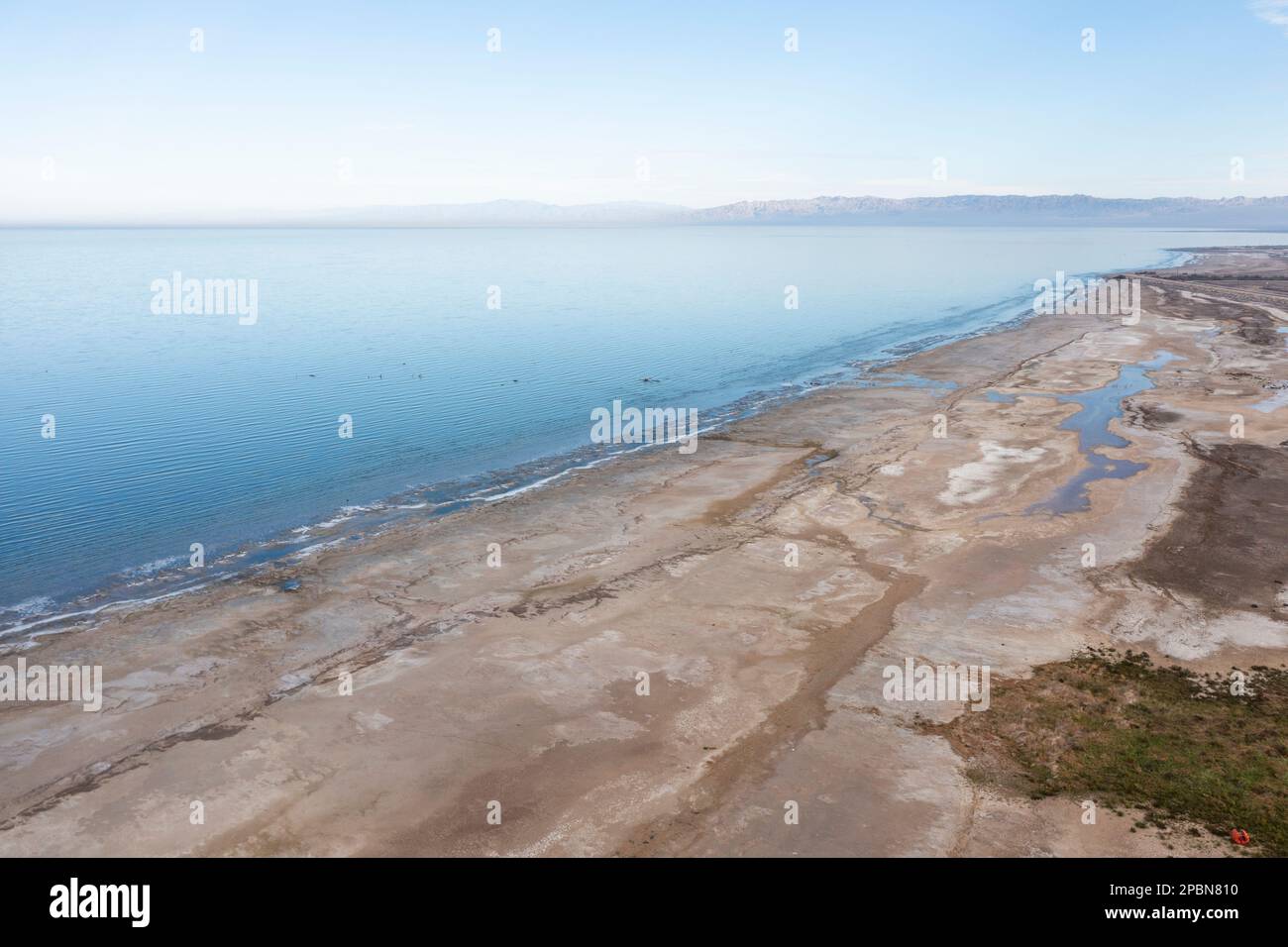
Respondents expressed concern that dust sweeping off the exposed lakebed will hit the poorest Utahns the most. At the same time, winter recreation enthusiasts worry about the loss of the region’s signature lake effect snow.
We are already breathing the toxic dust from the exposed lakebed,
a Salt Lake City resident stated. Another added that the environmental fallout will fall hardest on the poorest Utahns.
Demands for Legislative Teeth and Reduced Growth
Discontent with state leadership runs deep. A 2023 Utah State University report found that just 14% of Utahns believed elected officials were doing enough to tackle water scarcity. Survey respondents echoed that disconnect, demanding comprehensive legislation.
Instead, residents called for shifting state priorities away from unchecked industrial growth, curbing upstream diversions, and prioritizing permanent conservation commitments.
Worth a look

Indian Startup Times Releases DeepTech Analyst Power List 2026
Indian Startup Times has released the DeepTech Analyst Power List 2026, a ranking of investment professionals and analysts...
Olympia Shifts Downtown Sidewalk Repairs to Night Hours This Week
Downtown Olympia’s ongoing sidewalk overhaul is entering its final stretch, with the city transitioning to nighttime construction starting...
Cheyenne Teen’s Murder Case Against Mother Now a Juvenile Matter
A 14-year-old boy accused of shooting and killing his mother in March is no longer being tried as...
How the Milwaukee Brewers Built a World Series Contender on a Small Budget
The Milwaukee Brewers have built a World Series contender using the 19th-ranked payroll in Major League Baseball, winning...