
His research focuses on how the specific form and physiology of muscle enable the athleticism of various animals.
The Jimenez Lab examines three distinct biological systems to uncover these rules of movement: alligators, lobsters, and fish.
The laboratory’s work spans multiple evolutionary paths to understand how muscle groups work collectively. In alligators, the research looks at how tail muscles power both walking and swimming. The team also studies lobsters, which utilize helical muscles to facilitate escape from predators.
By studying fish, the lab can isolate and study specific properties because their red and white muscle fibers are anatomically segregated. This comparative approach allows researchers to see how evolution has shaped these creatures over hundreds of millions of years, resulting in both strikingly similar and surprisingly unique biological solutions.
The findings from these studies aim to provide insights for the next generation of bio-inspired design. By uncovering the rules of animal movement, the lab seeks to translate biological mechanics into functional engineering concepts.
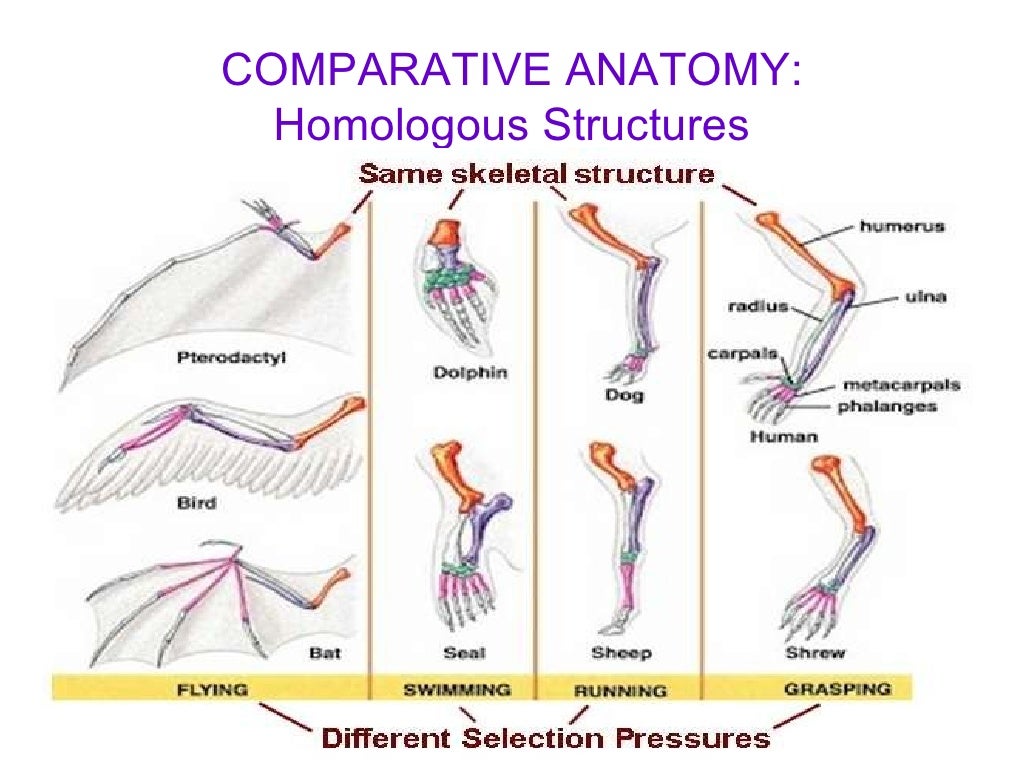
Students interested in the Jimenez Lab can engage with several specific courses and research tracks. The department offers teaching in Comparative Anatomy with Lab (BIO 201/201L) and Human Anatomy with Lab (BIO 205/205L).
Advanced students can pursue Special Topics in Biomimicry or Comparative Biomechanics. Research opportunities are also available through BIO 395, BIO 396, BIO 495, and BIO 496.
Dr. Jimenez invites interested students to apply for a position in the lab via email. Applicants are asked to use the subject line “Interested in joining your research lab” and include their year, major, and a weekly hour commitment. The application should also include a brief explanation of which biological system interests them and why.
Related reading

Fishermen Spot Royal Caribbean Pianist in Pacific Near California Coast
Pianist survives nine hours in Pacific Ocean after falling from Royal Caribbean ship A Royal Caribbean crew member...

Wyoming Experts: Cyber Threats Target Everyday Life and Devices
Cyber threats are targeting everything from smart fridges to hospital blood supplies Hackers can now compromise everyday household...

West Virginia Football: Why the Loss to Texas Tech Signals Progress for the Rebuild
West Virginia narrows the gap in Big 12 West Virginia's rebuilding process under Rich Rodriguez is showing measurable...
Virginia Tech Falls to SMU as Execution Gaps Emerge
Virginia Tech fell to SMU in a contest that highlighted significant gaps in the Hokies' execution, according to...