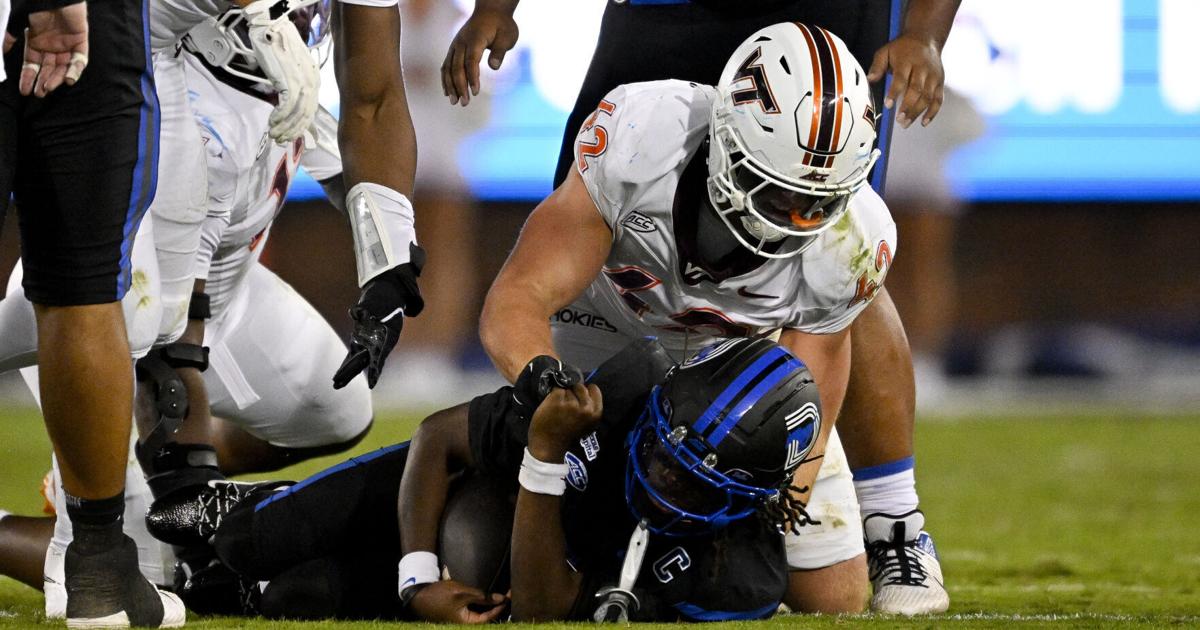
Virginia Tech fell to SMU in a contest that highlighted significant gaps in the Hokies’ execution, according to reports from The Daily Progress and roanoke.com.
The loss serves as a critical juncture for the program as it attempts to maintain momentum in a demanding schedule. While the scoreboard provided the immediate result, the underlying mechanics of the game suggest deeper issues regarding consistency and situational football.
The performance in Dallas revealed specific vulnerabilities that the coaching staff must address to remain competitive in their conference play. These weaknesses were not merely isolated errors but appeared to be systemic throughout the contest.
Analyzing the game through the lens of performance metrics, several key areas emerged as points of failure for the Hokies. The Daily Progress identified three primary takeaways from the loss, focusing on the specific ways the team failed to respond to SMU’s pressure.
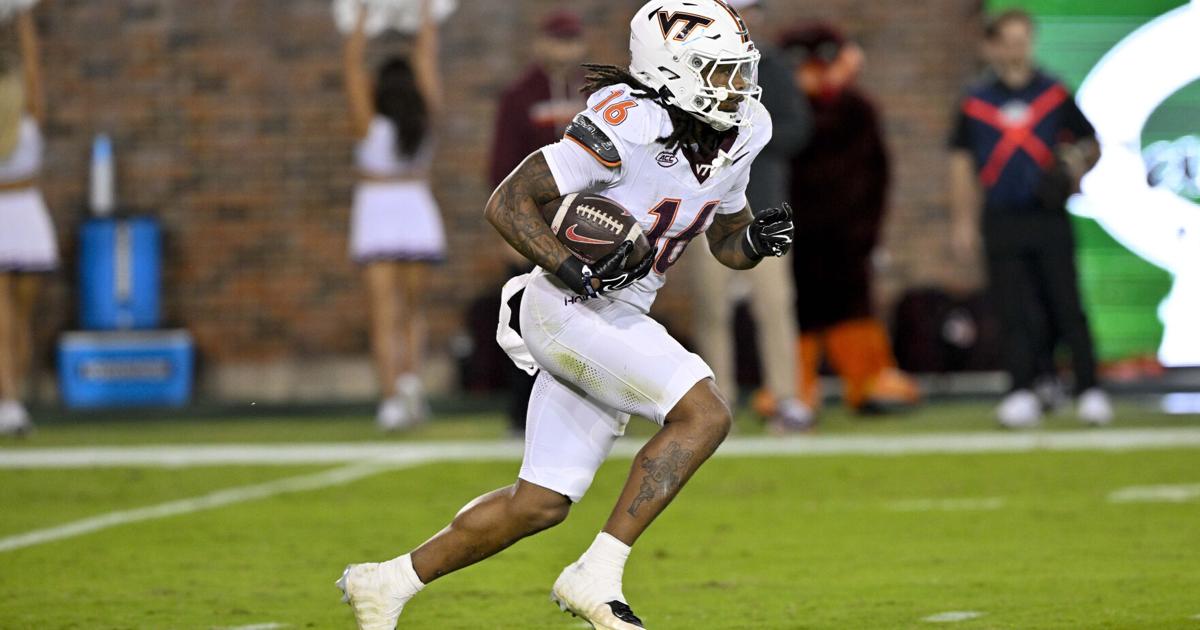
One major concern involves the offensive rhythm and the ability to sustain drives against a disciplined SMU defense. When the Hokies’ offense stalled, it placed an unsustainable burden on the defensive unit to prevent quick scores.
Roanoke.com provided additional context regarding how the team graded during the matchup, noting that the efficiency of certain units fell below the required standard for high-level collegiate competition. The margin for error in these matchups is slim, and Virginia Tech’s inability to capitalize on key opportunities proved costly.
The following factors were central to the outcome of the game:
- Inconsistency in offensive production during critical third-down situations.
- Defensive lapses that allowed SMU to dictate the tempo of the game.
- A failure to execute specific game plans in high-pressure moments.
For the players and the coaching staff, this loss is more than just a notch in the loss column; it is a diagnostic tool for the remainder of the season. The ability to pivot from this defeat will determine whether the Hokies can salvage their conference standing or if they will slide into a rebuilding phase.
The economic and civic stakes of collegiate football in the region often extend beyond the field, influencing local engagement and university morale. A winning program drives interest and investment, while a struggling one necessitates a rigorous re-evaluation of strategy and personnel.
Some analysts might argue that the loss is an expected outcome given the strength of the SMU program, suggesting that the Hokies’ struggles are a byproduct of playing elite opposition. However, the data suggests that the loss was driven more by internal execution errors than by the sheer talent of the opponent.
As the team prepares for its next assignment, the focus will likely shift toward film study and fundamental correction. The question remains whether the adjustments made in practice will translate to the field when the lights are brightest.
Can the Hokies bridge the gap between their potential and their actual performance before the season reaches its conclusion?
Keep reading

Fishermen Spot Royal Caribbean Pianist in Pacific Near California Coast
Pianist survives nine hours in Pacific Ocean after falling from Royal Caribbean ship A Royal Caribbean crew member...

Wyoming Experts: Cyber Threats Target Everyday Life and Devices
Cyber threats are targeting everything from smart fridges to hospital blood supplies Hackers can now compromise everyday household...

West Virginia Football: Why the Loss to Texas Tech Signals Progress for the Rebuild
West Virginia narrows the gap in Big 12 West Virginia's rebuilding process under Rich Rodriguez is showing measurable...

Texas Longhorns Defeat Missouri 34-20 as Arch Manning Throws Three TDs
Texas secures road win in Columbia The No. 7 Texas Longhorns moved closer to the College Football Playoff...