Religious Bigotry Remains the Real Test for American Free Expression
In an opinion column originally published in 2015, the Rev. Dr. John E. Harnish argues that the most persistent threat to American society is not any single religious group, but rather the deep-seated prejudice and religious bigotry that periodically surface during political debates. Writing from Benzie County, Harnish examines how political rhetoric frequently targets minority faiths while ignoring the foundational principles of the First Amendment.
The column centers on a public encounter where a campaign questioner confronted a candidate with the assertion, “We have a problem in America. It’s the Muslims.” Harnish points out that instead of challenging the premise of the question, the candidate offered a convoluted response promising to look into the matter. For Harnish, that moment reflects a dangerous continuity in American history where specific faith communities are repeatedly singled out as existential threats.
Historical Echoes of Exclusion Across the United States
To contextualize contemporary political rhetoric, Harnish traces similar episodes of religious and ethnic animus throughout American history. He points to the early American beginnings when someone said of Roger Williams and his talk about religious liberty and separation of church and state, “Kick him out and send him packing to Rhode Island.”
In New York City, voices once shouted of Irish Catholics, “We have a problem here.” Across Michigan and the American South, someone cried out regarding Blacks, Jews and Catholics, “Call in the KKK.” Further west in Illinois, someone said of Mormons, “We have a problem. It’s the Mormons. Chase them all the way to Utah.”
Harnish argues that these recurring episodes demonstrate a fundamental misunderstanding of the nation’s founding principles. “Suffice it to say, this kind of religious bigotry is nothing new in America and it is not as violent as aggressive religious oppression in some other parts of the world, but for a nation committed to the free expression of religion, it is deeply troubling,” Harnish writes.
Selective Dedication to the First Amendment
The core of the essay addresses what the editors of the Christian Century magazine termed a “selective dedication to the religious freedom clause.” Harnish suggests that a significant number of Americans operate under the assumption that constitutional protections for worship only apply to their personal religious preferences.
Identifying himself as a United Methodist Christian, Harnish outlines the personal stakes of defending pluralism. He writes that he desires the freedom to baptize babies, sing rousing gospel hymns, and ordain women as clergy, yet he insists on simultaneously defending the Baptists’ right to adult baptism and the Roman Catholics’ preference for a male priesthood.
The argument extends outward to groups with which the author notes he has major theological differences. Defending the right of Muslims or Mormons to worship as they see fit is framed as an essential requirement of being an American. The First Amendment, Harnish argues, celebrates the dignity and worth of all persons regardless of religion and affirms their place in the fabric of American society.
Without that broad commitment to pluralism, Harnish warns, the nation risks undermining the very fabric of its society, noting the importance of the First Amendment for Muslim Americans in Dearborn or any place else.
Related reading

Springfield, Missouri voting guide for Nov. 3: What’s on the ballot
Springfield, Missouri voters head to the polls on Tuesday, November 3, 2026, for a general election featuring competitive...

Kevin O’Connell’s Classy Gesture After Frightening Injury to Lions’ Jack Campbell
Vikings Head Coach Kevin O'Connell Opens Postgame Presser With Thoughts on Jack Campbell's Injury The Detroit Lions secured...

No. 1 Michigan avoids sweep, takes down Ohio State, 5-4, in overtime
Michigan Avoids Ohio State Sweep Behind Hage's Five-Point Night in 5-4 Overtime Thriller Facing the uncomfortable reality of...
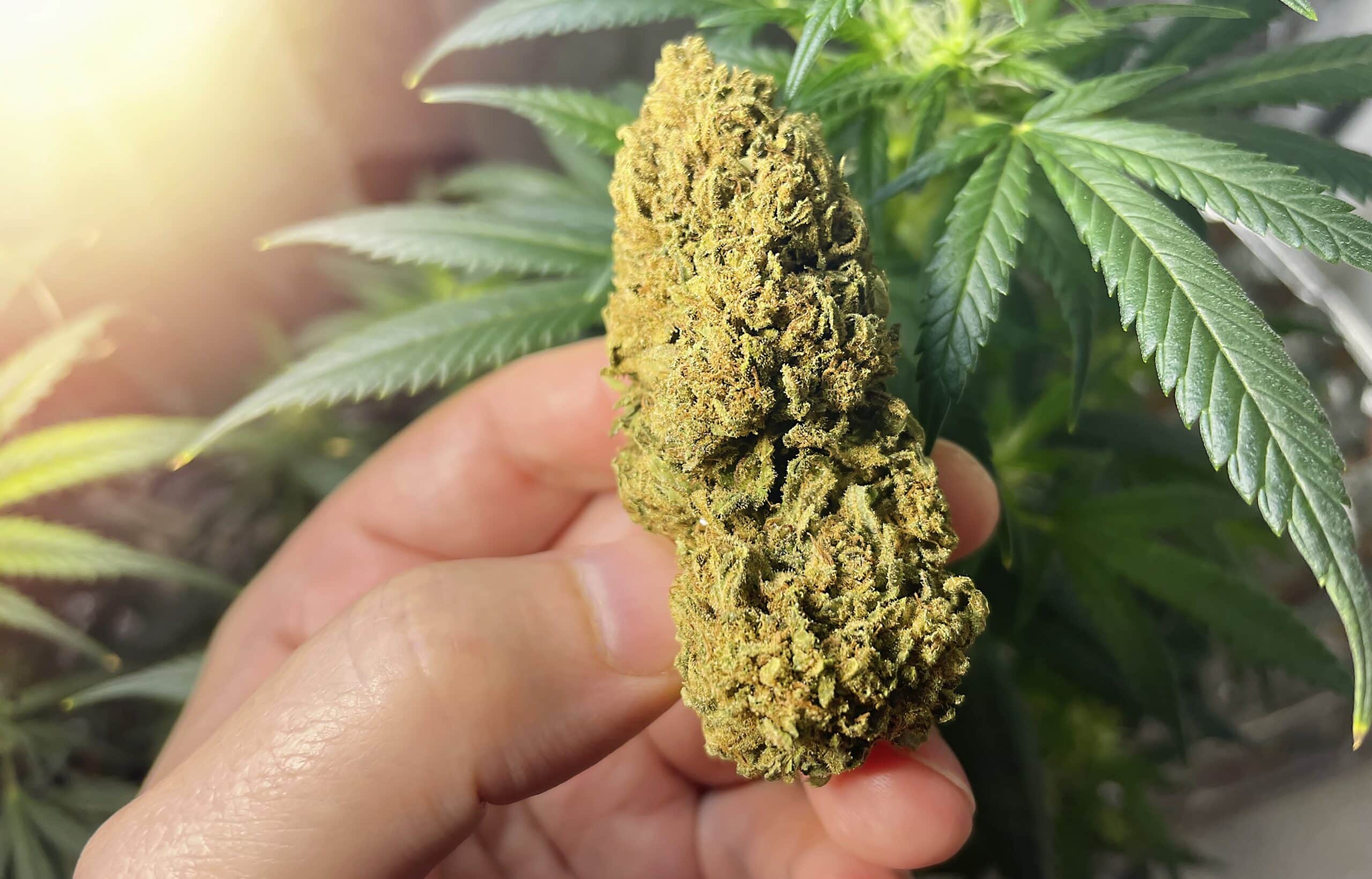
Massachusetts Ballot Question 8 seeks to reverse marijuana legalization
Massachusetts Voters Face Question 8 and a Rare Push to Reverse Marijuana Legalization Ten years after Massachusetts voters...