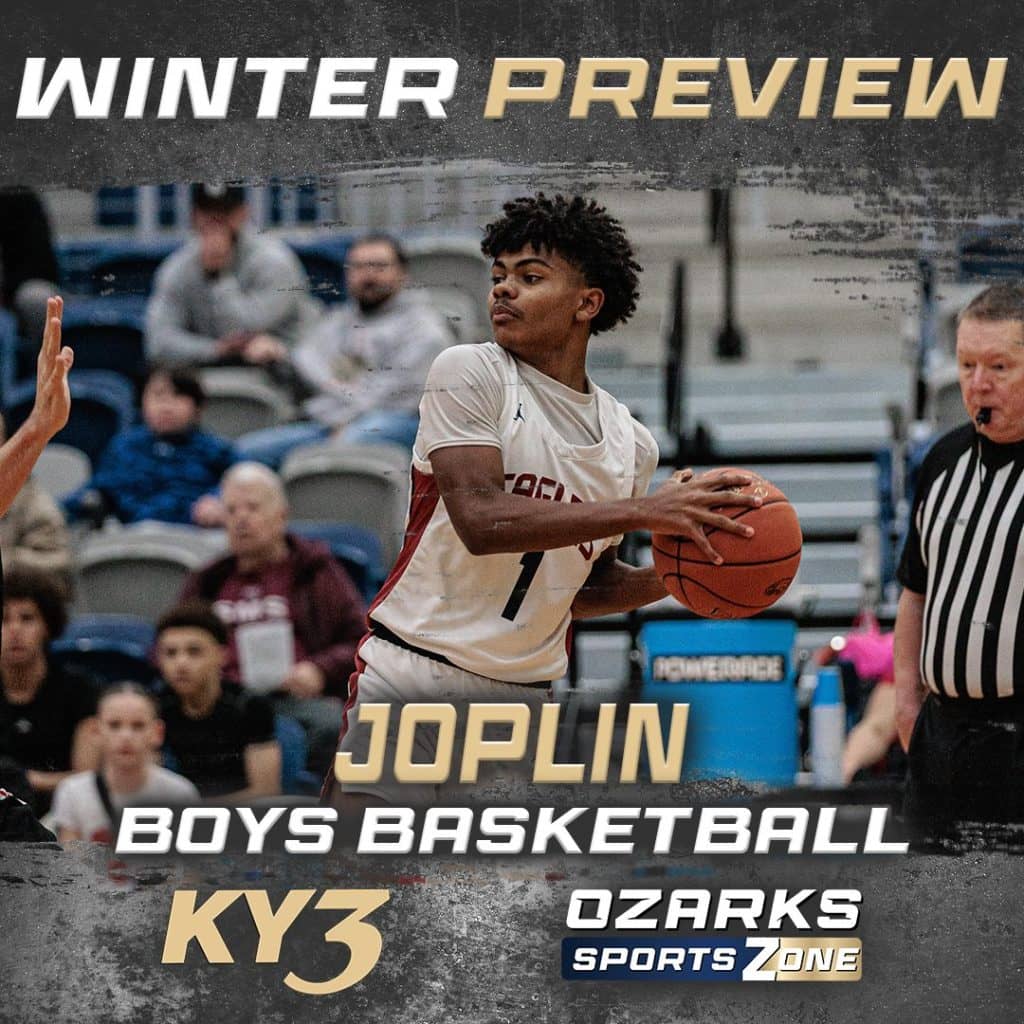
The Joplin Eagles look to defensive grit to rebound from a difficult 2025 campaign
The Joplin Eagles are entering the 2026-27 winter season with a clear mandate: transform defensive pressure into wins. After finishing last year with an 11-16 record, coach Nick Pfeifer is leaning on a veteran core and a high-pressure defensive scheme to navigate a demanding conference schedule. According to a report from Ozarks Sports Zone, the Eagles intend to use their athleticism to compensate for a lack of traditional size in the paint.
The roster underwent significant changes following the graduation of five players, most notably All-Conference and All-Area standout Fred Taylor. Taylor, who moved on to attend Southeast Missouri Preparatory School, leaves a void in the Eagles’ scoring and leadership. To fill that gap, Pfeifer is banking on a trio of returning starters to stabilize the rotation and provide the offensive production necessary to compete with larger opponents.
The Eagles will rely heavily on T.J. Willis, Trenton McCadney, and Tucker Martin to anchor the team. Willis, the leading scorer among the returning group, averaged 6.7 points, 2.2 rebounds, and 2.3 assists over 27 games last season. Pfeifer noted that Willis offers tactical flexibility, capable of operating either at the point or as a shooting guard.
Tucker Martin, standing 6-foot-3, brings a different kind of physical presence to the court. A state qualifier in both the high jump and triple jump, Martin’s athleticism is expected to be a primary factor in the Eagles’ ability to compete for rebounds against taller lineups. He averaged 6.5 points and 4 rebounds last year, appearing in all 27 contests.
Defensive pressure becomes the equalizer for a smaller roster
Because the Eagles lack a dominant rim protector, the coaching staff is implementing a strategy centered on disrupting opponents before they reach the basket. Pfeifer’s plan involves aggressive man-to-man defense and trapping to force turnovers, effectively neutralizing the advantage held by teams with superior height.

“We need to turn some guys over, because overall, we’re not that big and we don’t have a great rim protector or anything like that. We’ve got good individual defenders, but a big guard is going to give us trouble,” Pfeifer said.
Trenton McCadney will play a vital role in this transition-heavy style. Averaging 5.6 points, 3.1 rebounds, and 2.2 assists last season, McCadney is expected to serve as a playmaker who can both create his own shot and stretch the floor with outside shooting. The team is also looking for increased perimeter threats to prevent defenses from collapsing on their interior players.

The depth of the roster will be tested by several seniors stepping into larger roles, including Trey Simmons and Deyton Schlueter. At 6-foot-4 and 6-foot-3 respectively, they provide much-needed length. Additionally, Jack Lewis and Malakai Peckham are expected to contribute across both offensive and defensive facets. Pfeifer emphasized the need for “knock-down shooters” who can make opposing defenses fearful of leaving them open.
The upcoming schedule will provide immediate tests for this developing squad. The Eagles are set to open their season against Springfield Central on Nov. 24. Following that, they will compete in the Carthage Invitational in early December before hosting the Kaminsky Classic beginning Jan. 7. The winter stretch concludes with a trip to Miami, Oklahoma, for the NEO Tournament in late January.
Youth movement and the challenge of a tough conference
While the seniors provide the foundation, the Eagles are also integrating several younger players who could disrupt the established hierarchy. Junior Rowan Bortz is expected to provide stability through rebounding and high-percentage decision-making, while sophomores Jordan Mwangi, Rhett Parigo, and DaRonte King are pushing for varsity minutes.
The potential of these younger players presents both an opportunity and a developmental hurdle. Pfeifer noted that while Parigo may be the program’s best pure shooter, he is still refining his defensive game. Similarly, Mwangi is viewed as a player with the potential to become a cornerstone of the program as he gains experience.
The path to improvement is not guaranteed, as the Eagles face a conference where the margin for error is slim. The team is coming off a season that fell short of expectations, but the coaching staff remains confident in the group’s competitive ceiling.
“We didn’t win as many games last season as we would like,” Pfeifer said. “But I don’t think we are a bad team. We are doing some good things and we are competitive, but it’s a tough conference and we know that. Nobody is going to feel sorry for you.”
Worth a look

Oregon 2026 Election Results: Live Updates on Local and Statewide Races
Polk County voters appear poised to approve a five-year property tax measure that would fund essential operations for...

Oklahoma voters cast ballots for governor and U.S. Senate races
Oklahoma voters head to the polls for high-stakes state and federal races Oklahomans are casting their ballots this...

Columbus State and Dimon Magnet Academy Celebrate Successful First Year of PDLS Partnership
“The numbers do more than quantify our partnership. They reflect more than a year’s worth of impact—they reflect...

Fauchon Brings Parisian gifting experiences to Bryant Park, NYC
French Luxury Meets Manhattan's Bryant Park Fauchon is bringing a refined touch of Parisian elegance to the Bryant...