
A federal judge halted the FCC’s early license review of ABC’s eight owned stations, ruling the move was likely retaliation for content critical of President Trump.
- Judge Loren AliKhan granted a preliminary injunction blocking the FCC review on First Amendment grounds.
- The network’s licenses were not due for renewal until 2028, making the early review unprecedented in over 50 years.
- The judge cited 11 public calls by Trump to strip ABC’s licenses, with the most recent in July 2026.
- FCC Commissioner Anna Gomez, the sole Democrat, called the ruling a check on the agency’s “weaponized” licensing authority.
U.S. District Judge Loren AliKhan issued the ruling Wednesday, granting ABC and Disney a temporary restraining order and preliminary injunction. “This is not a close case,” she wrote, finding the network likely to succeed on its claim that the Federal Communications Commission violated its First Amendment rights. The order bars the agency from taking any further action on the early renewal proceedings while the lawsuit continues.
NEWS: A federal court has stopped the FCC from continuing it's censorship campaign against ABC. This brings badly needed accountability to a Commission and an administration that have politicized the machinery of government in a sustained campaign of censorship and control. 🧵 pic.twitter.com/Rf1SdMdxhJ
How the Review Began
The dispute traces back to September 2024, when Trump criticized ABC’s moderation of a presidential debate. Tensions escalated in April 2026 after Kimmel’s late-night monologue drew a presidential demand for his firing.
The next day, Carr ordered eight ABC-owned stations to submit renewal applications years ahead of their October 2028 deadline — the first such early review in more than five decades. Disney sued in August, arguing the move was “blatant retaliation” disguised as an investigation into diversity, equity, and inclusion practices.
BREAKING: Judge AliKhan has barred the FCC from continuing to take steps that threaten ABC's broadcast license, saying the agency appears to be carrying out a retaliatory campaign driven by President Trump. "This is not a close case," the judge says.https://t.co/RslgWeLrPB pic.twitter.com/vA1hKx8YtQ
During an October court hearing, Disney attorney Beth Wilkinson described the review as a “guillotine blade” hanging over the company. The Justice Department conceded the FCC had other investigative tools that would not threaten broadcast licenses, but insisted the agency had authority to pursue the early renewals.
AliKhan rejected the FCC’s motion to dismiss, ruling that the “existential” threat of license loss created a chilling effect no broadcaster of ordinary firmness could ignore.
Pressure Altered Newsroom Decisions
The ruling detailed how the pressure altered ABC’s editorial choices. Since the FCC began investigating “The View” early this year, producers stopped inviting political candidates as guests during a major election season. The network also chose to stream a Trump White House address rather than air it on broadcast television — a decision Trump also attacked. AliKhan found these changes demonstrated the “tangible steps” the administration took to enforce its threats.
“For nearly two years, the agency has weaponized its licensing authority to retaliate against broadcasters for exercising their right to free expression, and now a federal court has stepped in to put a check on that conduct,” Gomez said.
Reporters Committee President Bruce D. Brown: "As the court recognized, this is 'not a close case.’ But it is also a novel case forced on ABC because of the administration’s punitive actions and therefore all the more important that the federal judiciary stepped in to vindicate…
Gomez, the commission’s lone Democratic appointee, had previously accused the FCC of a “sustained, coordinated campaign of censorship and control.” Former Palm Beach County State Attorney Dave Aronberg told Newsweek the ruling was correct: “The FCC can regulate broadcasters, but a broadcast license doesn't come with a White House veto over what goes on the air.”
Judge Rejects Broader Ban on FCC Pressure Tactics
AliKhan turned down ABC’s request to prohibit the FCC from any formal or informal actions intended to coerce changes to the network’s editorial discretion, saying the network had not identified what those future threats might entail beyond the early renewal proceedings. The Associated Press reported that the judge found the additional request too vague to support an injunction.
Siding with Disney in a dramatic First Amendment case, a federal judge has barred the Trump administration from taking further action against ABC’s local TV stations >>> https://t.co/AoNmYwdjp7
An FCC spokesperson told The Hill the preliminary injunction was wrong on the facts and wrong on the law, citing controlling Supreme Court precedent, and said the agency looks forward to prevailing fully. The spokesperson added that the FCC will continue to use its lawful authority to hold broadcasters accountable to their public interest obligations.
Judge Details Evidence of Retaliatory Campaign
AliKhan wrote that Trump's social media posts and Carr's public statements provided strong circumstantial evidence strongly supporting Disney's argument that it was targeted in a retaliation campaign.
The judge said that President Trump has set his sights on ABC for several years, and that the FCC took action shortly after Kimmel joked that the first lady had the glow of an expectant widow, calling it no coincidence that the president criticized the host and the agency moved the next day.
The Guardian reported the judge said ABC is likely to succeed on its First Amendment claim of retaliation. NPR added that among the targets of ire from Trump and Carr was ABC’s decision not to broadcast a July 2026 Oval Office address on its television network. ABC hailed the ruling as an important victory for the First Amendment.
What the FCC Argues and What Comes Next
The FCC maintains its actions were lawful oversight of public interest obligations. An agency spokesperson called AliKhan’s decision “wrong on the facts and wrong on the law” and vowed to prevail. The judge denied ABC’s broader request to block all informal FCC pressure on editorial decisions, saying the network had not specified what future threats might look like beyond the license review.
The case proceeds in district court, but AliKhan directed that First Amendment retaliation claims of this nature fall under the Communications Act’s statutory review framework, which sends challenges to the federal appellate court — likely adding months of delay. Meanwhile, the injunction stands. The Reporters Committee for Freedom of the Press called the decision “a big win not only for ABC, but for all broadcasters.”
NEW: A federal judge blocked the FCC from retaliating against ABC for its First Amendment-protected speech. "This is a big win not only for ABC, but for all broadcasters," said @rcfp President Bruce D. Brown. Read his full statement: https://t.co/YXrjqqLFjL
Related reading
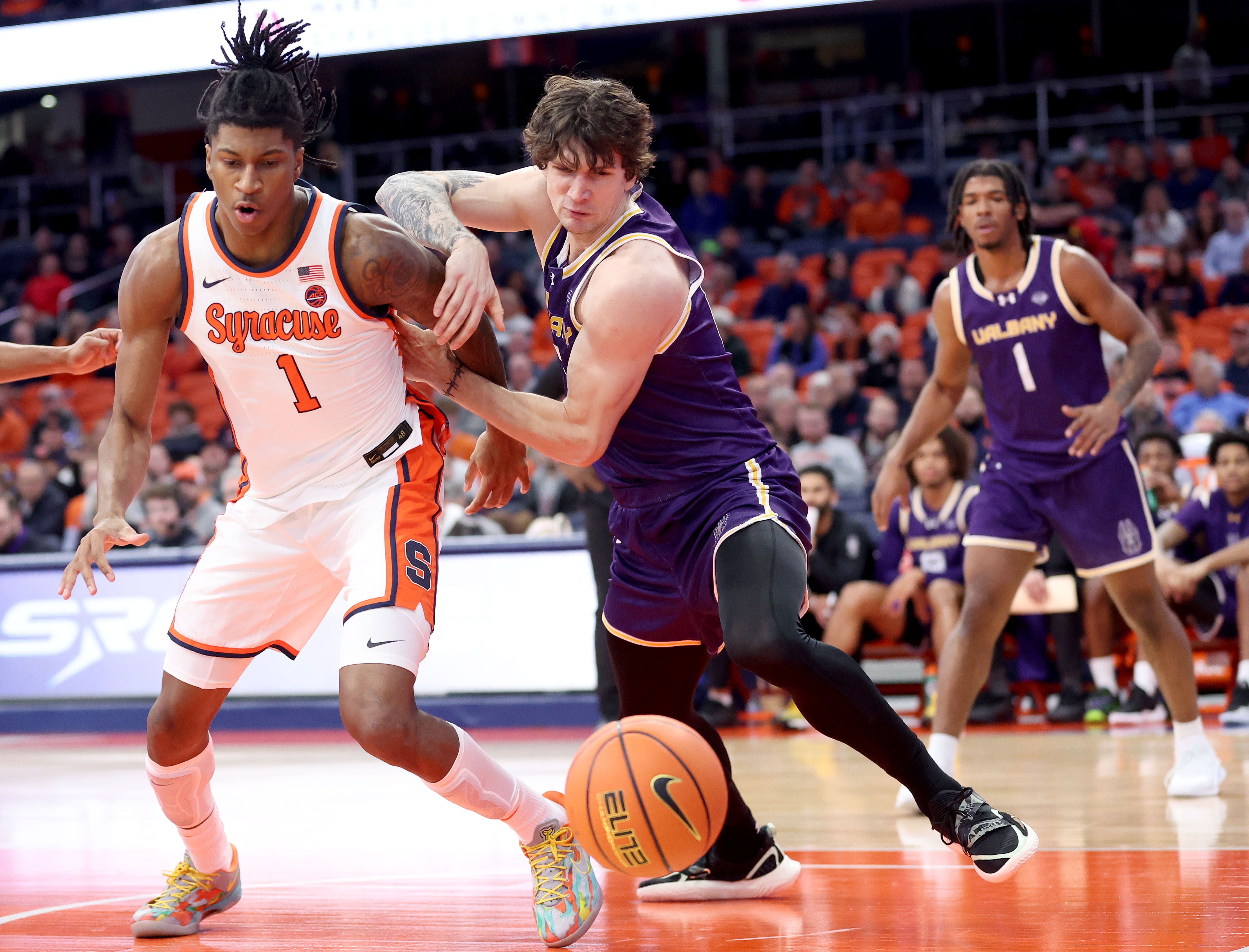
Syracuse Orange Defeat Albany at JMA Wireless Dome
Syracuse Orange men's basketball defeated the University at Albany Great Danes at the JMA Wireless Dome on Wednesday....

Salem Town Council Directs Modified Logo for Future Vote
“No. 1 looks too AI to me,” Councilor Paul Pelletier said. “I like to see Salem as a...

Old Fox Books Marks 10th Anniversary on Small Business Saturday
Old Fox Books marks its 10th anniversary on Small Business Saturday this weekend, a decade after opening in...
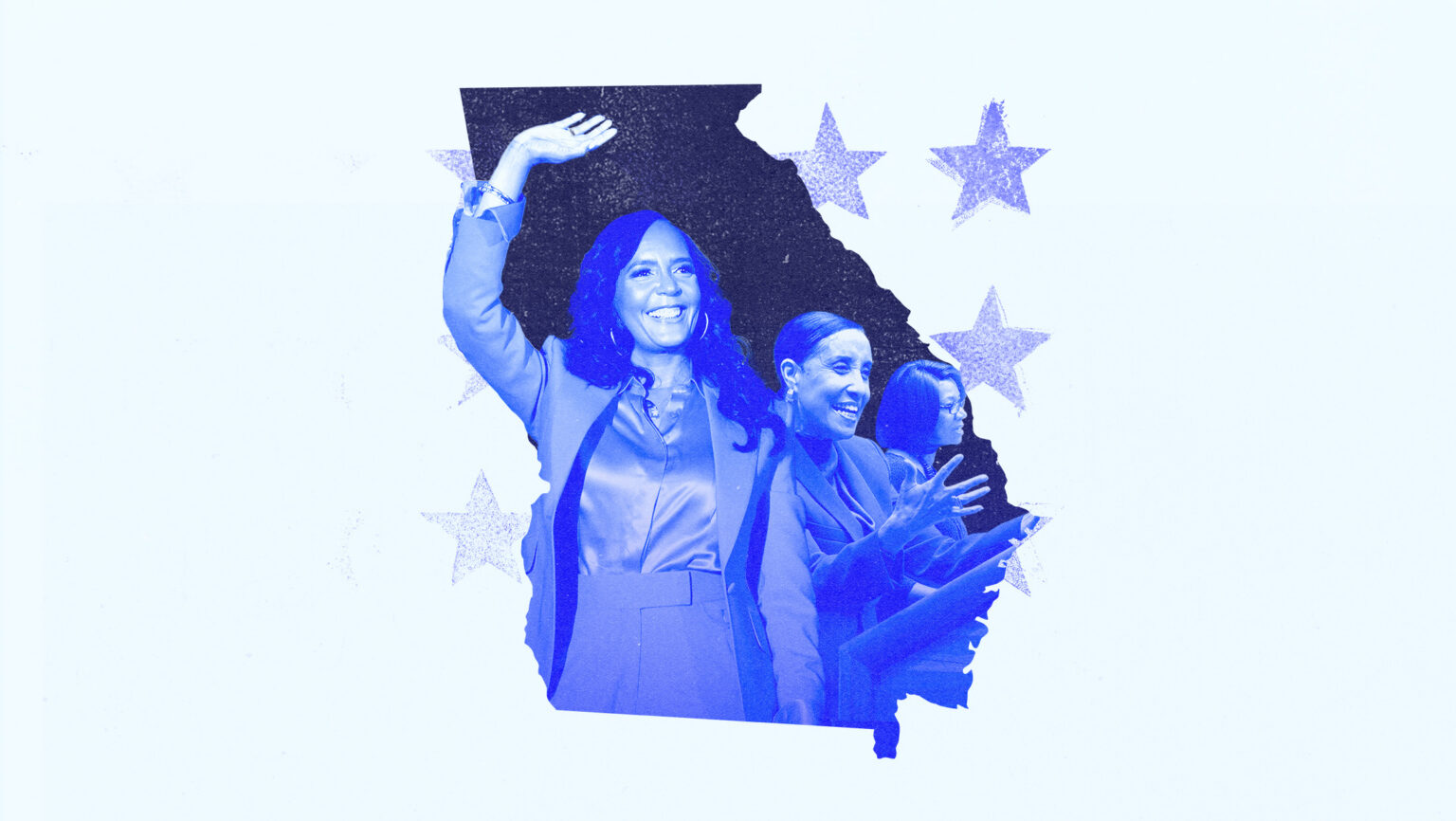
Georgia Democrats See Chance to Repeal Voting Laws After Election Wins
Georgia Democrats have a historic opportunity to repeal some of the country's most restrictive voting laws following a...