
A federal judge resisted signing a warrant to search a sitting lawmaker’s home, then relented only after prosecutors agreed to protections they initially dismissed, court records unsealed Monday show.
U.S. Magistrate Judge Matthew J. Sharbaugh repeatedly questioned whether the Justice Department had adequately weighed constitutional safeguards meant to shield Congress from executive intrusion before authorizing the Oct. 12 search of Rep. Ilhan Omar’s Washington residence, according to court documents unsealed Monday. Documents unsealed Monday at the request of more than a dozen news organizations, including The Washington Post, detail the exchange.
“A member’s legislative work is not neatly cabined in the four walls of their Congressional office,” Sharbaugh wrote in an Oct. 15 opinion released with the records. He added that the government had “essentially just wave[d] its hand” at the risk of seizing legislative materials before ultimately accepting his demands. “No matter how small the potential volume of legislative materials at issue, the constitutional protections remain,” he wrote.
Federal agents with Homeland Security Investigations executed the search weeks before the midterm elections, a step long-standing department protocols advise against to avoid the appearance of partisan influence.
Investigators are examining whether Omar or her father, Nur Omar Mohamed, misstated her birth date on immigration paperwork in the 1990s so she could derive citizenship as a minor when he was naturalized in 2000, The Washington Post has reported. Prosecutors told Sharbaugh they were searching for evidence of crimes dating back to 1980 but maintained those offenses had nothing to do with her congressional work.
Judge demanded safeguards before signing warrant
U.S. Magistrate Judge Matthew J. He said he did not believe the agency had properly considered those protections before seeking to search Rep. Ilhan Omar’s Washington residence. The Washington Post reported the judge’s reservations, which were detailed in records released at the request of more than a dozen news organizations.
Search executed weeks before midterm elections
Agents with Homeland Security Investigations carried out the Oct. 12 search of Omar’s D.C. residence weeks before the midterm elections, a step long-standing department protocols advise against to avoid the appearance of partisan influence. Prosecutors told Sharbaugh they were searching for evidence of crimes dating back to 1980 but maintained those offenses had nothing to do with her congressional work.
Omar has condemned the probe as the Trump administration weaponizing government against political foes and dismissed the allegations as “baseless lies and smear campaigns.” Chief U.S. District Judge James E. Boasberg agreed to release many filings but kept the warrant affidavit and other records sealed at the government’s request, leaving the potential charges and items seized undisclosed.
A federal judge has unsealed investigative records tied to the search of Rep. Ilhan Omar’s Washington home, rejecting a last-minute push by federal prosecutors to keep them sealed. MORE: https://t.co/YnjCsraPG4 pic.twitter.com/G9QFAuTe04
Omar has condemned the probe as the Trump administration weaponizing government against political foes and dismissed the allegations as “baseless lies and smear campaigns.” Chief U.S. District Judge James E. Boasberg agreed to release many filings but kept the warrant affidavit and other records sealed at the government’s request, leaving the potential charges and items seized undisclosed.
More on Magistrate Judge Matthew
A judge said he will order the release of some information about the federal investigation into Rep. Ilhan Omar, D-Minn., which included a search of her Washington house last month. https://t.co/XAP48N3cCu
Worth a look

Capital Press: California Farm Loses 88,900 Birds; Bird Flu Found in Oregon, Washington Backyard Flocks
A California commercial broiler breeder operation lost 88,900 birds as bird flu resurfaced in Oregon and Washington backyard...

How Long Does It Take a Barge to Travel from the Pacific Ocean to Idaho?
A barge traveling between the Pacific Ocean and the Port of Lewiston, Idaho, takes roughly three days to...
Indianapolis Job Fair on August 26, 2027, Offers Free Admission
An Indianapolis job fair scheduled for August 26, 2027, will offer free admission to job seekers at the...
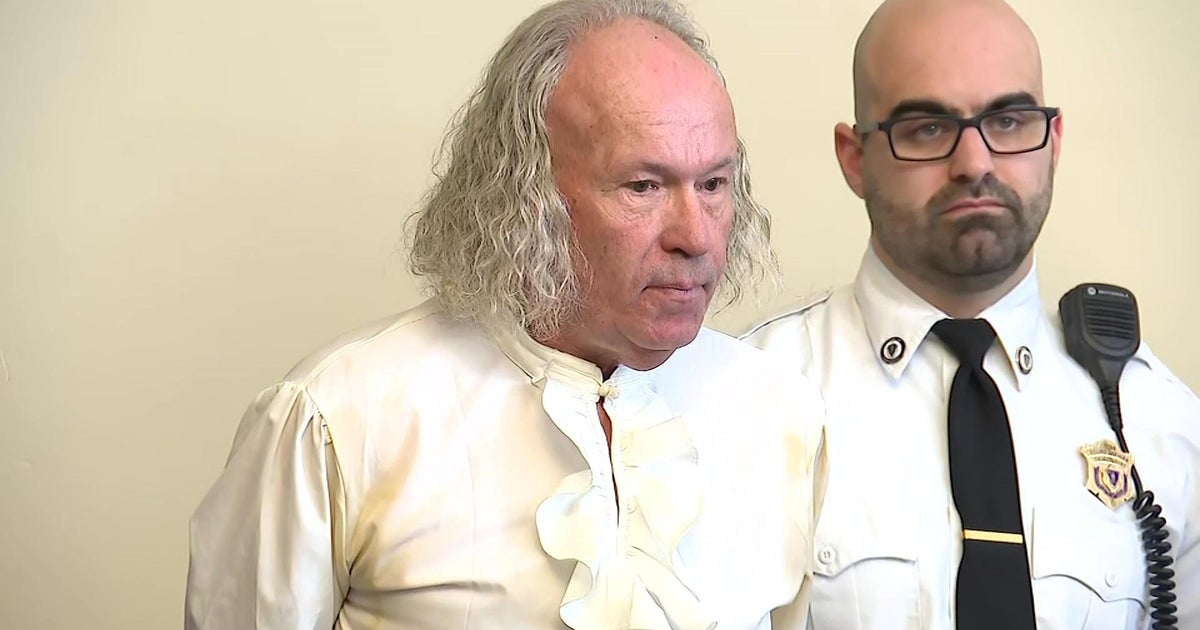
Benjamin Franklin Impersonator Arrested in Costume on Outstanding Warrants in Boston’s North End
Boston police arrested a Benjamin Franklin impersonator on two outstanding warrants Monday afternoon in the North End, taking...