
Senior U.S. District Judge David A. Faber ruled Wednesday that Cabell County and the City of Huntington failed to prove the nation’s three largest drug distributors created a public nuisance, handing AmerisourceBergen, Cardinal Health and McKesson a second victory in the long-running opioid case, My Buckhannon reported.
- Judge Faber ruled Wednesday the municipalities did not prove distributors caused a public nuisance.
- Plaintiffs sought $2.5 billion over 15 years; Faber said about $330 million would be appropriate.
- Plaintiffs’ attorney Paul Farrell said he will appeal to the 4th U.S. Circuit Court of Appeals.
- This is the second time Faber has ruled for the distributors after a 2021 bench trial.
The 243-page decision found the volume of opioids shipped into the region reflected evolving medical standards of care rather than wrongdoing. “The evidence at trial showed that the volume of opioids coming into Huntington/Cabell from defendants was overwhelmingly a feature of the evolving standard of care,” Faber wrote, according to WV MetroNews. “Doctors, most of whom were acting in good faith in reliance on the prevailing standard of care, were prescribing opioids more often and in higher quantities to better treat pain.”
Faber said the municipalities provided no evidence the distributors sent pills to pill mills, knew of diversion, or knew how many pills “should” have been sent. “Their theory of the case was essentially that the volume of opioids distributed was in and of itself unreasonable,” he wrote. “But how can it be unreasonable for a wholesale distributor of opioids to fulfill bulk orders for opioids that are used to fill prescriptions written by doctors in good faith?”
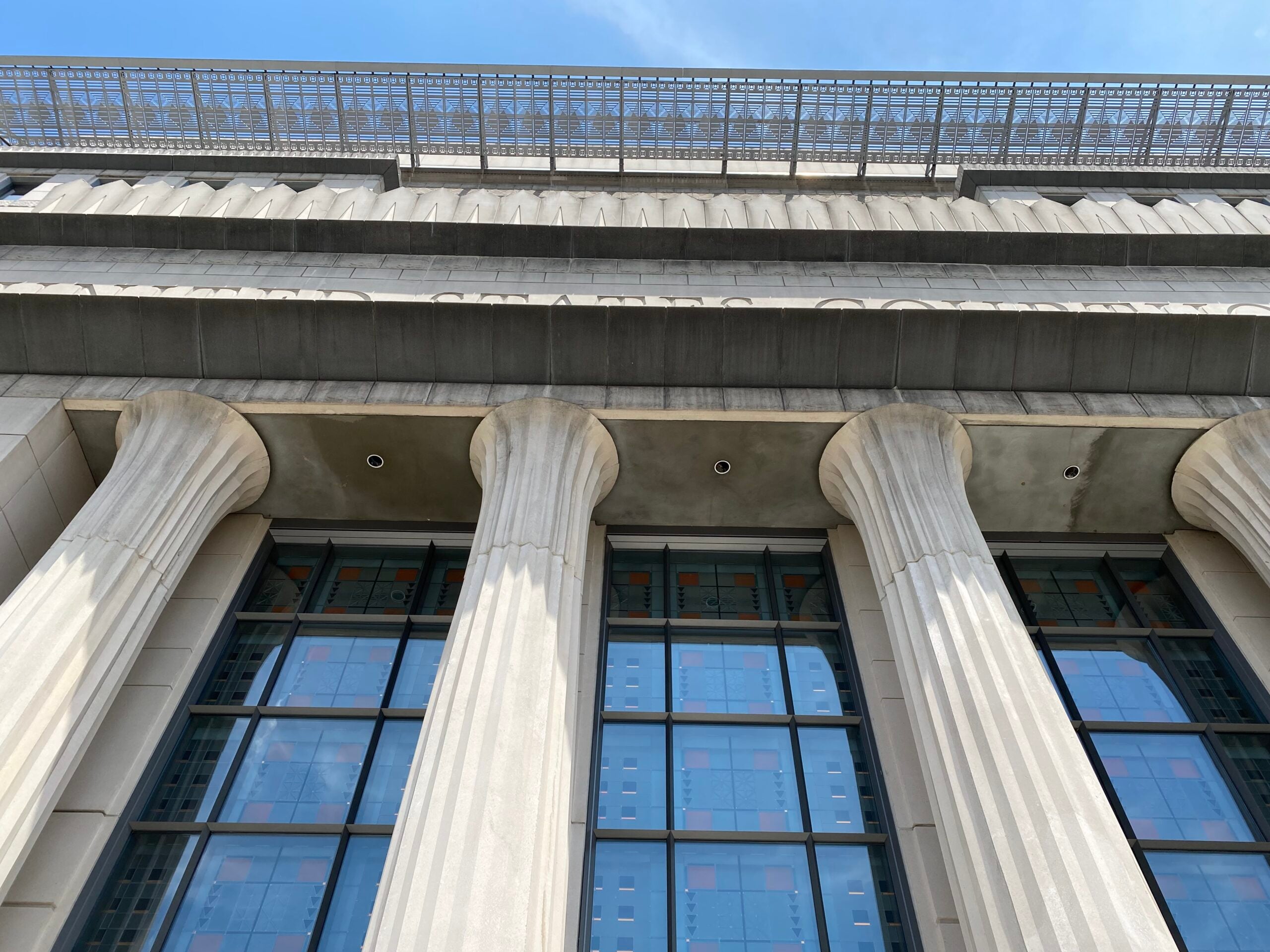
“And while there is a natural tendency to assign blame in cases like these, they must be decided not based on sympathy, but on the facts and the law,” Faber added, as reported by Mountain State Spotlight.
The city and county sued in 2017, alleging the distributors failed to scrutinize suspicious pharmacy orders. After a 10-week bench trial in 2021, Faber first ruled for the companies. The 4th Circuit sent a certified question to the West Virginia Supreme Court on whether public nuisance law applied; when the state court declined to answer, the 4th Circuit found the law did apply and returned the case to Faber.
Plaintiffs’ attorney Paul Farrell told Faber in a May hearing the appellate court’s alignment with the DEA’s view of distributor obligations under the Controlled Substances Act required a “different lens.” “You made factual findings based on an incorrect standard that the defendants proposed,” Farrell told Faber, according to WV MetroNews.
Judge rules against Cabell-Huntington again in lawsuit against Big 3 opioid distributors – WV MetroNews https://t.co/Sc0wbwAvWH
Defense attorneys argued nothing had changed. “High prescribing is not evidence of wrongdoing,” AmerisourceBergen attorney Robert Nicholas said in the May hearing. Cardinal Health attorney Steve Ruby told Faber, “The plaintiffs have failed to prove their case. There’s no path to prevail under any legal standard.”
Faber wrote that only drug take-back and safe storage programs in the plaintiffs’ $2.5 billion abatement plan targeted the alleged oversupply. He said a proper remedy would be roughly $330 million focused strictly on addiction treatment.
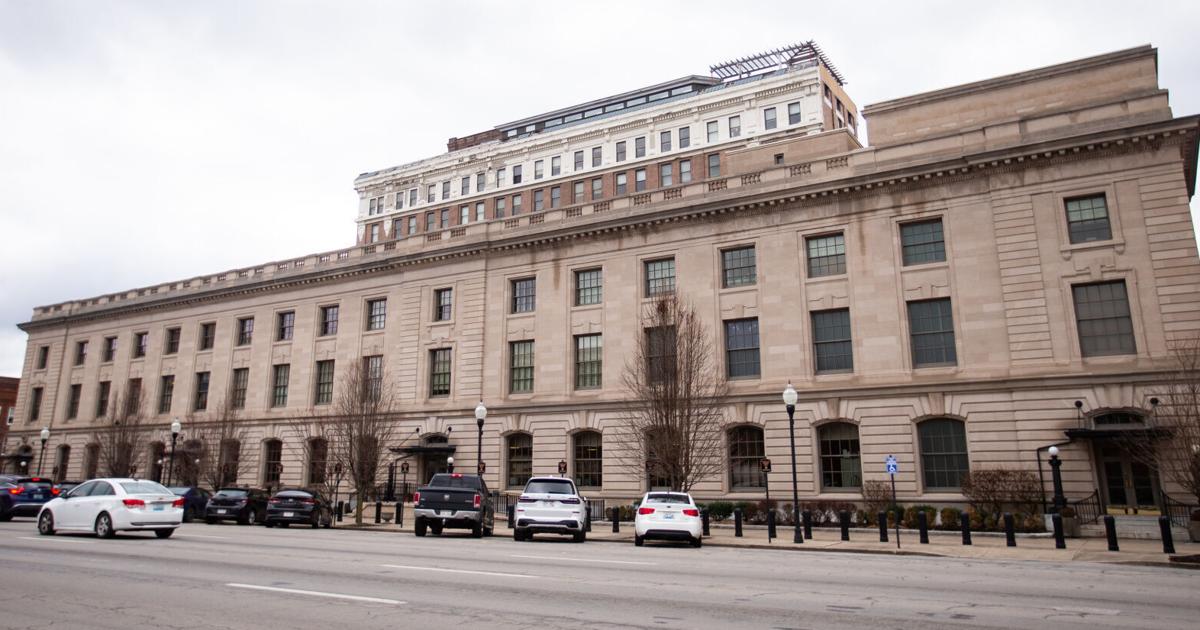
“Judge Faber has done his job. He’s been asked to reconsider. “He reconsidered and chose to stick with his opinion so we’ll take it up to Virginia, to the appellate court and see what happens,” Farrell told WV MetroNews on Thursday.”
Faber rejects plaintiffs' arguments on distributor duties
Plaintiffs’ attorney Paul Farrell told Faber in a May hearing that the 4th Circuit’s alignment with the DEA’s view of distributor obligations under the Controlled Substances Act required a “different lens,” according to WV MetroNews. He argued the Fourth Circuit now agrees with the federal Drug Enforcement Administration that distributors have an obligation to block suspicious orders, which he said did not happen in Huntington-Cabell during the epidemic.
Defense attorneys countered that nothing had changed since the 2021 trial. AmerisourceBergen attorney Robert Nicholas called the municipalities’ attempts to prove the Big 3 at fault “paltry, inaccurate evidence,” WV MetroNews reported. “High prescribing is not evidence of wrongdoing,” Nicholas said.
Cardinal Health attorney Steve Ruby told Faber the testimony and evidence remained the same from when 70 witnesses testified in 2021. “The plaintiffs have failed to prove their case. There’s no path to prevail under any legal standard,” Ruby said.
Judge details reasoning on oversupply and remedy
“But how can it be unreasonable for a wholesale distributor of opioids to fulfill bulk orders for opioids that are used to fill prescriptions written by doctors in good faith?” The judge said “overprescribing — and not illegal prescribing — drove the volume of opioids coming into Cabell/Huntington,” and the municipalities proved no “competent evidence” that drugs arrived via illegal prescribing.
He said a proper remedy would be roughly $330 million focused strictly on addiction treatment.
The 4th U.S. Circuit Court of Appeals in Richmond will hear the next appeal.
Gary Shteyngart Argues Billionaires and Optimization Culture Drain Pleasure in ‘The Sensualist’
Gary Shteyngart argues that billionaires and Silicon Valley optimization culture are draining pleasure from daily life in an...

Audit: DPI Replaced Scores, Omitted Data; Underly Disputes Findings
A Legislative Audit Bureau review found the Department of Public Instruction replaced lower achievement scores with the prior...
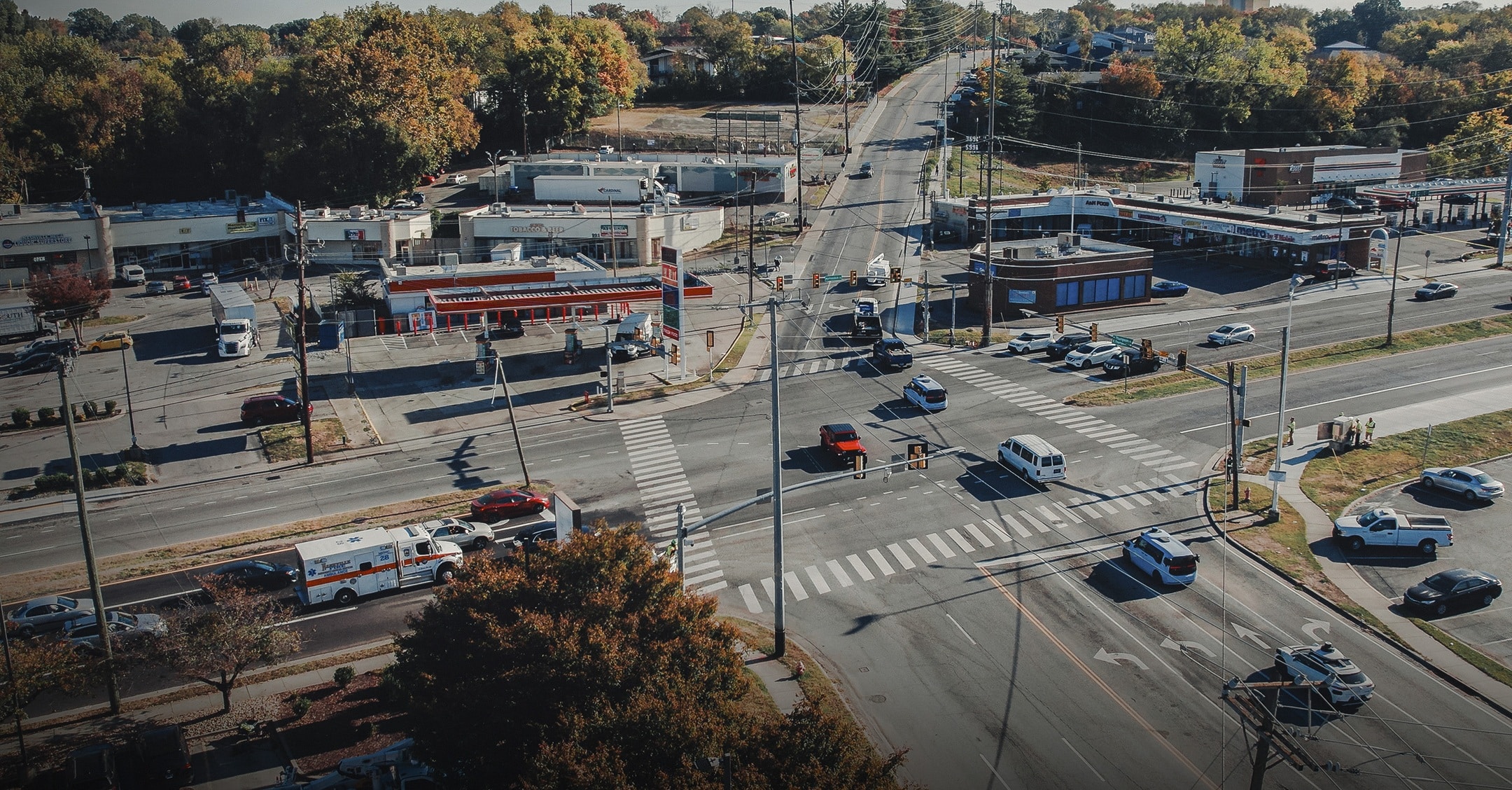
Ouster Expands Nashville BlueCity Deployment to 200+ Intersections with Rev8 Sensor
Nashville is adding 100 more lidar-equipped intersections to its traffic network, pushing the citywide total past 200 locations...

Columbia’s Zuckerman Institute Accepts Applications for Alan Kanzer Postdoctoral Fellowship
Columbia University's Mortimer B. Zuckerman Mind Brain Behavior Institute is accepting applications for the Alan Kanzer Postdoctoral Fellowship,...