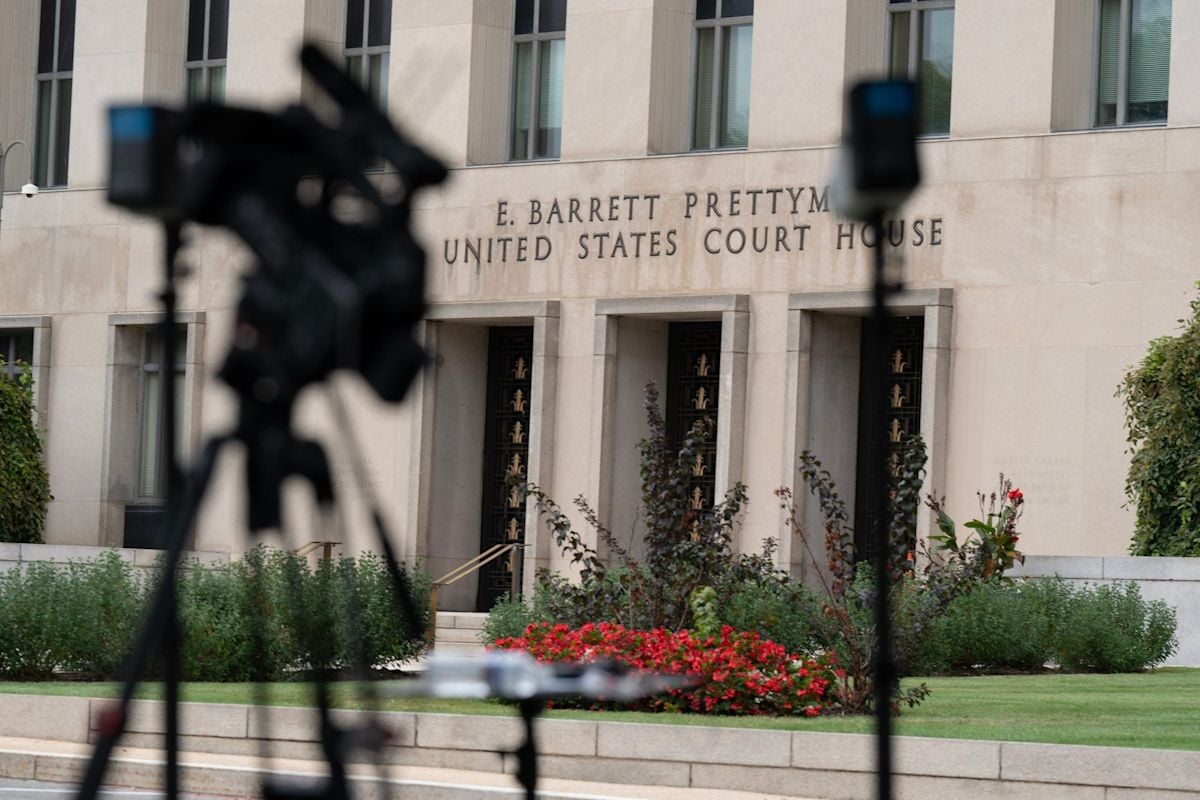
A federal judge temporarily blocked President Donald Trump’s ban of CNN, MS NOW, and Politico from the White House, ordering the administration to restore their access after ruling the revocation violated due process rights.
The judge found the government’s justification for revoking the passes so vague it hardly does the trick,
and rejected the claim that the ban was motivated by security concerns.
Judge’s Ruling: A Blow to Trump’s Press Ban
Kelly’s decision centered on the First Amendment, emphasizing that the government must provide clear standards before revoking press access. The ‘general rule’ is that ‘individuals must receive notice and an opportunity to be heard before the government deprives them’ of a constitutionally protected interest,
he wrote. The judge noted that Trump initially framed the ban as punishment for negative coverage, not national security, and that the administration’s later justification lacked evidence. Nothing in the record … suggests that the revocation of Plaintiffs’ hard passes was motivated by national security concerns,
he stated.
The outlets’ attorney, Theodore Boutrous Jr., called the ruling a strong ruling vindicating freedom of the press, due process and the rule of law.
He argued that the ban caused irreparable harm
during a critical news period, including visits by foreign leaders. The White House did not immediately respond to requests for comment, but Justice Department attorney Michael Velchik defended the administration’s right to control access, calling it a privilege, not a right.
Administration’s ‘Reporting Incidents’ Claim
However, Kelly questioned the validity of these claims, calling them “routine” and expressing skepticism about the administration’s stated security rationale. The president should be able to take immediate action to protect national security,
Velchik argued, but the judge found the evidence insufficient.

The ruling came after an emergency hearing, with the temporary restraining order set to last 14 days. Despite the order, reporters from the outlets said they remained blocked from the White House hours later.
A Test of Press Freedom and Executive Power
The case has drawn comparisons to past conflicts between Trump and the press, including a 2018 ruling where Kelly restored a CNN journalist’s access. The president has repeatedly attacked media outlets, labeling them the enemy of the people
and targeting those critical of his policies. The latest dispute highlights tensions over the balance between presidential authority and constitutional rights, with the judge’s decision reinforcing the legal principle that press access cannot be revoked without clear justification.

For now, the outlets have at least a temporary reprieve, but the legal battle is far from over. The administration could appeal the ruling, and the court will likely revisit the case as it proceeds. The outcome could set a precedent for how future administrations handle press access, with implications for transparency and accountability in government.
The case underscores the fragility of press freedom in the face of executive overreach, with the judge’s order serving as a critical check on power. As the legal process unfolds, the broader implications for media access and constitutional rights will remain a focal point for journalists, lawyers, and citizens alike.
Keep reading

Idaho Cold Case Solves Identity of 1982 Cyanide Suicide Victim
Idaho investigators have identified a man found dead of cyanide poisoning in a Boise church in December 1982...

Trump Administration Defends White House Ban on Three News Organizations
The Trump administration defended its ban on three major news organizations before a Washington courtroom Wednesday, arguing in...
Hochul Leads Blakeman 50-41% in New Siena Poll
Governor Kathy Hochul leads Republican challenger Bruce Blakeman 50% to 41% in a new Siena poll of likely...
Xi Jinping Arrives in Washington for Historic State Visit with Trump
The visit marks Xi's first trip to the United States in over a decade amid an expiring bilateral...