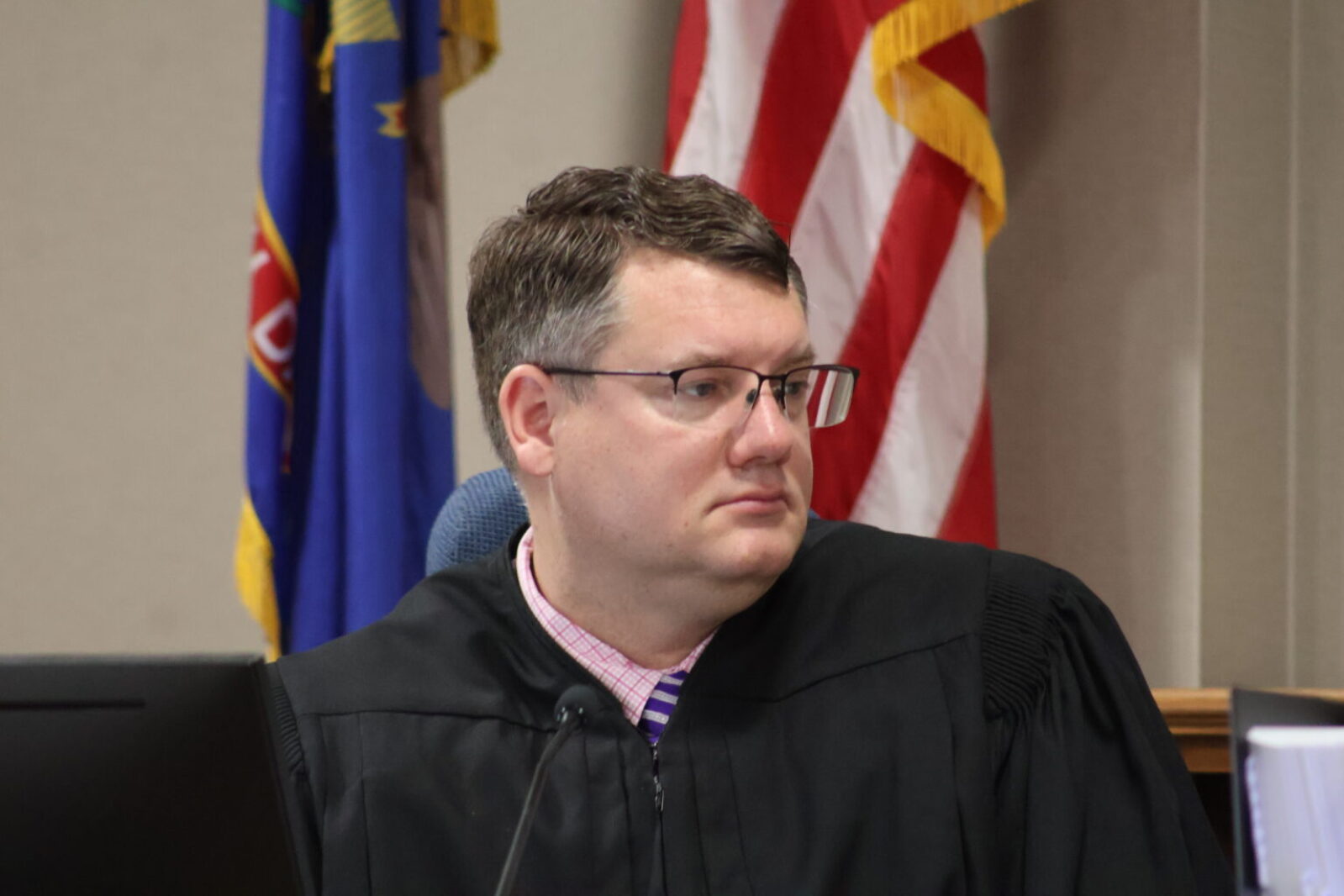
A North Dakota judge has struck down portions of the law governing the North Dakota Beef Commission, ruling that the process for nominating members to the board is unconstitutional. In a decision issued Friday, Oct. 23, South Central District Judge Jackson Lofgren found that granting exclusive nominating power to a few specific trade groups is “arbitrary and unreasonable.”
This ruling changes who gets a seat at the table for the agricultural board. For years, the path to the commission was guarded by a handful of private organizations. Now, the gates are open to any producer in the industry, regardless of whether they pay dues to a specific trade association.
A “Closed Class” in the Cattle Industry
The legal challenge was brought forward by Kenneth Graner, Michael Heaton, and Jeremy Maher, the directors of the Ranchers Rights Initiative. They argued that the state’s nomination process created an illegal “closed class,” effectively barring independent cattle producers from participating in the governance of their own industry.
A North Dakota judge has ruled that the law for nominating people to the panel that promotes the beef industry violates the state constitution because it gives nominating power to specific trade groups and no one else. https://t.co/GBsaTUz6W3
The North Dakota Beef Commission consists of nine members—including beef producers, a cattle feeder, a dairy producer, and a livestock market representative—all appointed by the governor. However, six of those nine seats were previously nominated by just four cattle-related groups, including the North Dakota Stockmen’s Association. Judge Lofgren noted that by naming private entities rather than listing objective criteria for eligibility, the law dealt out an “advantage by name.”
“By specifically naming private entities, rather than listing criteria for entities to meet to be eligible to submit nominations, (the law) creates a closed class that prohibits accession into it,” Judge Lofgren wrote.
The state attempted to have the claims dismissed, arguing that the challengers lacked legal standing or had waited too long to sue. The court rejected those arguments, finding that the classification of nominees based solely on membership in a specific organization bore no relationship to the commission’s actual purpose: promoting the cattle industry in North Dakota.
The Stakes of the Beef Checkoff
This isn’t just a dispute over titles or prestige; it’s about the control of significant capital. The Beef Commission manages the “beef checkoff,” a system where $2 per head is raised from cattle sales—split evenly between state and federal governments. These funds are earmarked for beef promotion, research, and education.
The scale of this funding is substantial. According to an annual report, the commission raised more than $1.5 million in assessment revenue for the 2024-2025 period. When industry-funded research and marketing are on the line, the question of who decides the strategy becomes an economic issue for rancher in the state.
The Ranchers Rights Initiative claims this victory ends years of exclusion. In a statement released Tuesday, the group noted that the North Dakota Legislature had previously rejected multiple attempts to reform the law, making the court’s intervention the only viable path for independent producers.
Broader Implications for State Boards
While this case centered on beef, the ripples are expected to extend far beyond the ranch. Robby Dube, an attorney for the challengers, suggested that this decision could open the doors to 20 other state boards that utilize similar selection processes. If the precedent holds, any state board that relies on specific private trade groups for nominations could be vulnerable to similar constitutional challenges.
The practical immediate effect is a change in paperwork. The executive branch must now update its nomination forms to allow any qualified person or group to submit names for consideration. Kelly Armstrong’s office expressed respect for the ruling, with spokesman Mike Nowatzki stating it provides the Governor’s Office with “additional discretion” in appointments.
However, not every demand from the challengers was granted. The Ranchers Rights Initiative had argued that barring commissioners from receiving a checkoff refund in the three years prior to their appointment was punitive. Judge Lofgren disagreed, ruling that the Legislature has a rational interest in ensuring that those deciding how to spend the money are individuals who have actually paid into the program.
The Path Forward
The ruling applies to future appointments, meaning the current board remains in place for now. While the North Dakota Stockmen’s Association expressed satisfaction that the beef checkoff program itself remains intact, the Beef Commission is still evaluating whether to appeal the decision to the state Supreme Court. Executive Director Nicole Wardner confirmed that a final decision on an appeal has not yet been made.
The legal victory provides a win for independent producers, but it leaves the structural nature of the board in a state of flux. While the governor can now accept nominations from anyone, the underlying system remains one of appointment rather than election. Whether the Legislature will move toward a more democratic, elective process—as suggested by attorney Robby Dube—remains an open question.
Related reading

Man Arrested After Hoax Bomb Device Evacuates Colorado State Capitol
An object with wires protruding from its top and bottom triggered the evacuation of the Colorado State Capitol...
POLA TEACH Prepares Workforce for Zero-Emission Cargo Jobs
The Port of Los Angeles launched a new workforce education initiative this week to prepare Southern California workers...
Arkansas Leads Memphis 48-34 at halftime in exhibition game
Arkansas entered the halftime break of Wednesday's exhibition game at Bud Walton Arena with a commanding 48-34 lead...

Phoenix Symphony suspends season and lays off 66 musicians
The Phoenix Symphony is currently facing a cash shortage so severe that it has suspended its season, leaving...