Connecticut’s Judicial Branch projects a little more than 4,600 juvenile delinquency referrals for 2026, a 4% drop from 2025 and part of an average 9% annual decline since 2013, CT News Junkie reported.
Tasha Hunt, director of juvenile probation for the Court Support Services Division, told the Juvenile Justice Policy and Oversight Committee on Wednesday that risk-based case handling adopted in 2023 has increased diversions from formal court processing. Juvenile review boards handle the largest share of diverted cases.
Breach of peace, third-degree assault and disorderly conduct remain the most common charges, while larceny has risen in the rankings. Motor vehicle theft referrals have declined most sharply in New Haven and Hartford, Hunt said. School-based referrals fell 8% from last year.
Pretrial detention admissions in 2026 were down 69% from 2013, and the number of youth on probation supervision has also shrunk. According to Cathy Foley Geib, director of juvenile residential services, 76.8% of youth finished probation without a new arrest, a figure that has held in the mid- to high-70s since 2018.
“Among the highest-risk youth, 65.9% remained arrest-free for 12 months,” Foley Geib said, noting the risk tool originally forecast a roughly 90% chance of rearrest for that group.
The juvenile justice figures come as the state tracks a broader population of disconnected and at-risk youth. The most recent annual report produced through the P20 WIN data system estimated 108,140 Connecticut residents ages 14 to 26 were either disconnected from school and work or at risk of becoming disconnected in 2024. That total includes 62,525 disconnected young people and 45,615 high school students considered at risk based on factors such as falling behind on credits, chronic absenteeism and behavioral issues.
The number of disconnected youth has fallen from about 119,000 in 2021-22, the figure cited in a 2023 Dalio Education report that first brought statewide attention to the issue. Lawmakers required annual updates the following year.
Rep. Toni Walker, D-New Haven, the committee’s co-chair, asked how New Haven achieved its drop in referrals and raised concerns about how classrooms manage students who return from alternative programs. The committee previewed draft legislative proposals it expects to vote on in December.
Related reading
UK Net Migration Falls to 77,000, Lowest Since 1997 Excluding Pandemic
UK net migration fell to 77,000 in the year to June 2026, the lowest annual level since 1997...
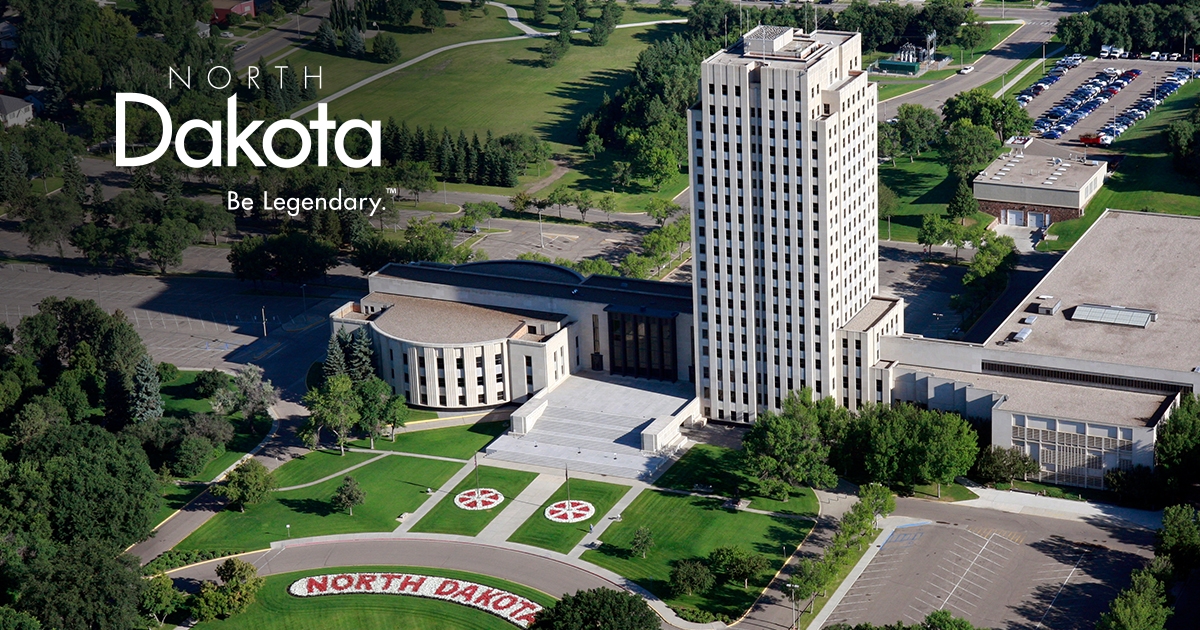
North Dakota Opens New State Laboratory Combining Public Health and Environmental Testing
North Dakota opened a $70 million, 100,000-square-foot State Laboratory on the Capitol grounds Thursday, combining public health and...

Colorado Approves Summer Phaseout of Commercial Gas-Powered Lawn Equipment to Address Ozone Pollution
Colorado's Air Quality Control Commission approved a rule Friday that will phase out most commercial gas-powered lawn equipment...

Phoenix Rock Band Plum Wins Alice Cooper’s “Proof Is in the Pudding,” Earns Christmas Pudding Opening Slot
Phoenix rock band Plum won Alice Cooper's "Proof Is in the Pudding" competition on Nov. 21, earning $2,000...