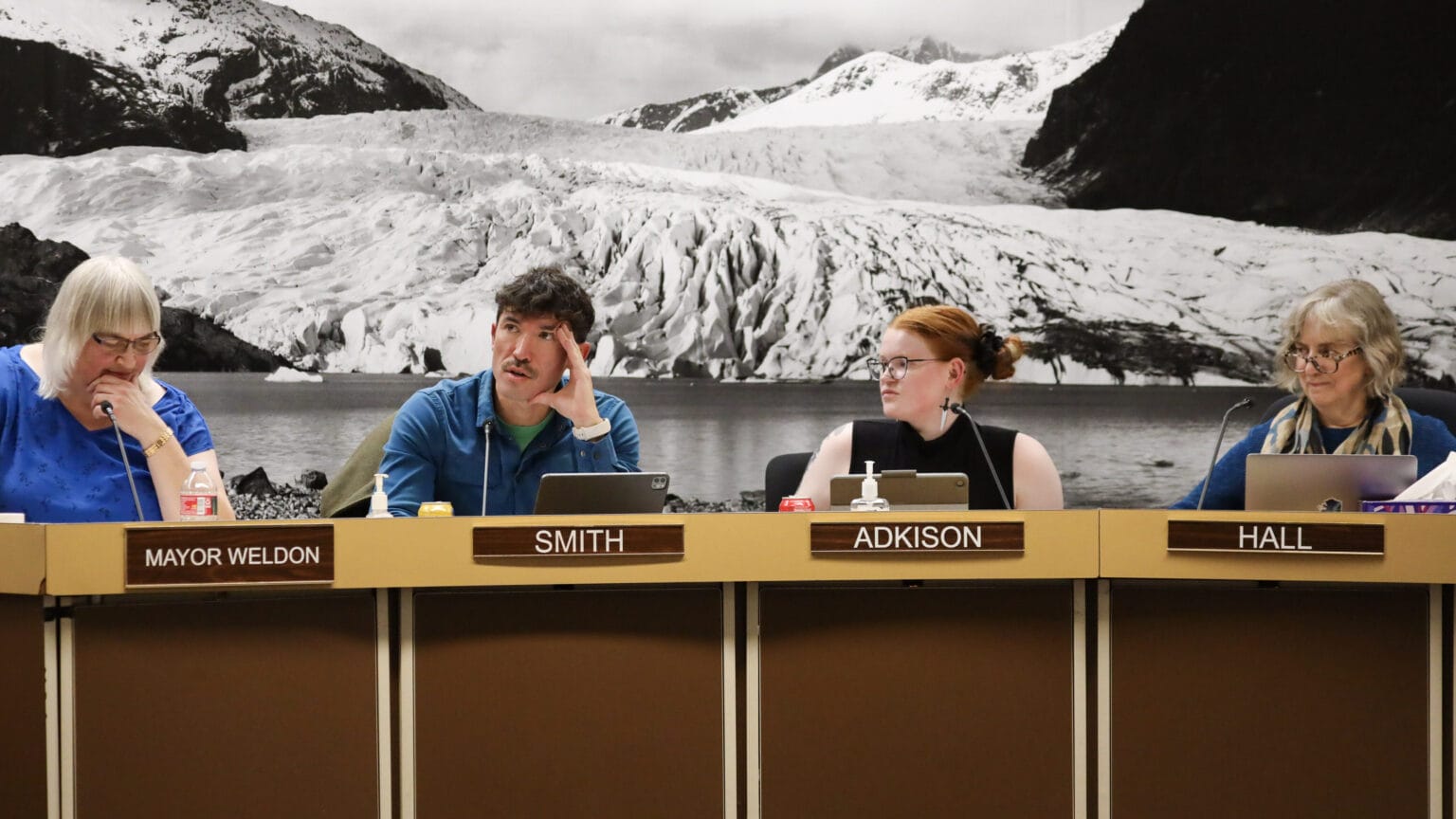
Juneau officials moved to reshape local transit and waterfront infrastructure during a Monday night meeting, deciding on new restrictions for electric motorcycles and approving significant debt for downtown development.
The Assembly unanimously adopted an ordinance to regulate electric motorcycles, a move that will soon prohibit these vehicles from using city bike paths, shared-use pathways, sidewalks, and trails, KTOO reported. While the new rules do not target conventional electric bicycles, they do introduce stricter requirements for riders on public roads, where a valid driver’s license will now be mandatory to avoid a $300 fine and vehicle impoundment.
The regulations are set to take effect in 30 days. During the meeting, two individuals provided testimony in support of the ordinance, reinforcing the city’s decision to align e-moto usage with existing gas-powered motorcycle restrictions.
Infrastructure development took center stage as the Assembly passed an ordinance in a 7-2 vote to issue up to $25 million in bond debt. This funding is earmarked for an extension of the downtown seawalk toward the AJ dock, a project intended to create a continuous, mile-and-a-half-long path stretching from the Douglas Bridge.
While the city has successfully extended the seawalk in various sections over the years, this new phase will fund a quarter-mile stretch moving south toward Thane. To manage the financial weight of this expansion, the city plans to repay the debt over a 20-year period.
The financing model relies on existing revenue streams rather than new broad-based taxes. Specifically, the money will be drawn from a portion of marine passenger fees, categorized as port development fees. This strategy links the cost of waterfront expansion directly to the maritime activity that utilizes the docks.
The Assembly granted the Docks and Harbors Department the authority to implement a multi-year rate increase for tour boats using city facilities.
The fee per passenger is scheduled to rise from $2.05 to $7.53 over the next four years. Officials from the Docks and Harbors Department said that the hike is a necessary measure to fund ongoing operations and address future infrastructure requirements.
In a practical response to national currency shifts, the Assembly unanimously passed a resolution to round all city cash transactions to the nearest nickel. This policy change follows a decision by the U.S. Mint to halt penny production last year, a move driven by the high costs associated with manufacturing low-denomination coins.
By shifting to nickel-based rounding, the city aims to streamline cash handling and mitigate the logistical headaches caused by the dwindling availability of pennies.
Keep reading

Indianapolis Thanksgiving Week Guide 2026: Holiday Events, Camps, and Hours for Kids
Most major Indianapolis attractions, including The Children’s Museum and the Indianapolis Zoo, will close on Thanksgiving Day, Thursday,...

Springfield Dad Tells School Board District Fails to Communicate
A Springfield father told the school board on Monday that the district is failing to communicate adequately regarding...

Carter Durst Argues Phil McGrane’s Style Appeals to Idaho Voters
In a column for The Argonaut, Carter Durst argues that Idaho's recent election results suggest a growing appetite...
City Officials Reassure Residents of Infrastructure’s Resilience Amid Outages | Hawaii News Now
Honolulu officials are reassuring residents that the island's critical infrastructure remains resilient following a series of widespread technological...