
In Juneau, the familiar rhythm of the holiday season has arrived, but it is playing out against a backdrop of sustained, record-level economic pressure. As the community prepares for Thanksgiving on November 26, local organizations are bracing for a surge in demand that shows little sign of retreating. For St. Vincent de Paul, the challenge is clear: after supporting a record 540 households last year, the organization is once again mobilizing volunteers and gathering staples to meet a need that has become the new baseline for many families in the capital city.
A Growing Dependency on Community Support
The strain on local food providers is not a temporary spike; it is a long-term trend that has redefined the workload for charitable organizations. According to reporting by the Juneau Empire, the demand for food assistance has become persistent, regardless of the season. Last year, St. Vincent de Paul saw registrations climb by roughly 20% by mid-November, a surge exacerbated by a federal government shutdown that disrupted Supplemental Nutrition Assistance Program (SNAP) benefits. While that specific crisis has passed, the underlying economic anxiety remains.
It was fun to help serve last nite at SE Food Bank "Thanksgiving in March" event in Juneau. pic.twitter.com/lbbmkJdRwM
Dan Parks, executive director of the Southeast Alaska Food Bank, has been vocal about the shifting demographics of those seeking help. In an October 13 opinion piece, Parks noted that his organization is currently serving double the number of people compared to when he started in 2024. He recalled a recent encounter with a construction worker and his young son—a snapshot of the working families who are now finding their household budgets insufficient to cover rising grocery costs.
“Feeding the line and shortening the line,” as Parks describes the dual mandate, requires balancing the immediate necessity of distributing groceries with the systemic challenge of addressing the root causes of food insecurity.
The Logistics of Filling the Gap
The infrastructure of aid in Juneau is extensive, yet it remains under constant pressure. St. Vincent de Paul is currently accepting donations of traditional Thanksgiving items—boxed stuffing, canned vegetables, cranberry sauce, and essential refrigerated goods like turkeys and butter—at its office on 8617 Teal St. These efforts culminate in a massive delivery operation scheduled for November 21, following a multi-day assembly process that begins on November 17.

The broader network, which includes the Glory Hall and the Southeast Alaska Food Bank, is operating at capacity. At the Glory Hall’s Empty Bowls fundraiser on November 1, Jordan Nigro of the Zach Gordon Youth Center highlighted a sobering statistic: the shelter’s 55 beds have been occupied every single night for the past two years. The shelter provides approximately 60,000 meals annually, a critical safety net that functions year-round rather than just during the holidays.
Collective Action in the Capital
Community engagement remains the primary engine for these services. On November 7, the Juneau Central Labor Council organized a collection effort at the Super Bear IGA, targeting everything from shelf-stable milk and canned meat to donations for Juneau Animal Rescue. These events are vital because they fill the gaps that bulk purchasing cannot cover. While the food bank can source staples like rice and pasta in large quantities, items such as cereal and protein-rich canned goods rely heavily on individual and group donations.

For those currently facing food insecurity, help does not require a holiday designation. The Southeast Alaska Food Bank maintains a public pantry every Thursday from 3 to 5:30 p.m. at 10020 Crazy Horse Drive, operating with a low-barrier approach that requires no identification or income verification. Similarly, St. Vincent de Paul continues to coordinate its Thanksgiving basket program through its website and by phone at 907-789-5535.
The question that remains for Juneau’s leadership and its civic organizations is how to sustain this level of support as the “new normal” of food insecurity persists. With pantry usage remaining high even during traditionally quiet summer months, the reliance on these organizations has moved beyond crisis management into a permanent state of community maintenance. For now, the focus is on the deliveries scheduled for late November, but the line at the pantry doors indicates that the work will continue long after the holiday tables are cleared.
Worth a look

2027 Volkswagen Atlas SEL R-Line for Sale in Lewisville, TX
New Sacramento Green Metallic 2027 Volkswagen Atlas SEL R-Line hits Lewisville market A new 2027 Volkswagen Atlas SEL...

Peoria Teen Faces Long Recovery After Lake Pleasant Bonfire Explosion
The Cost of a Halloween Night Explosion at Lake Pleasant A routine Halloween night bonfire near Lake Pleasant...
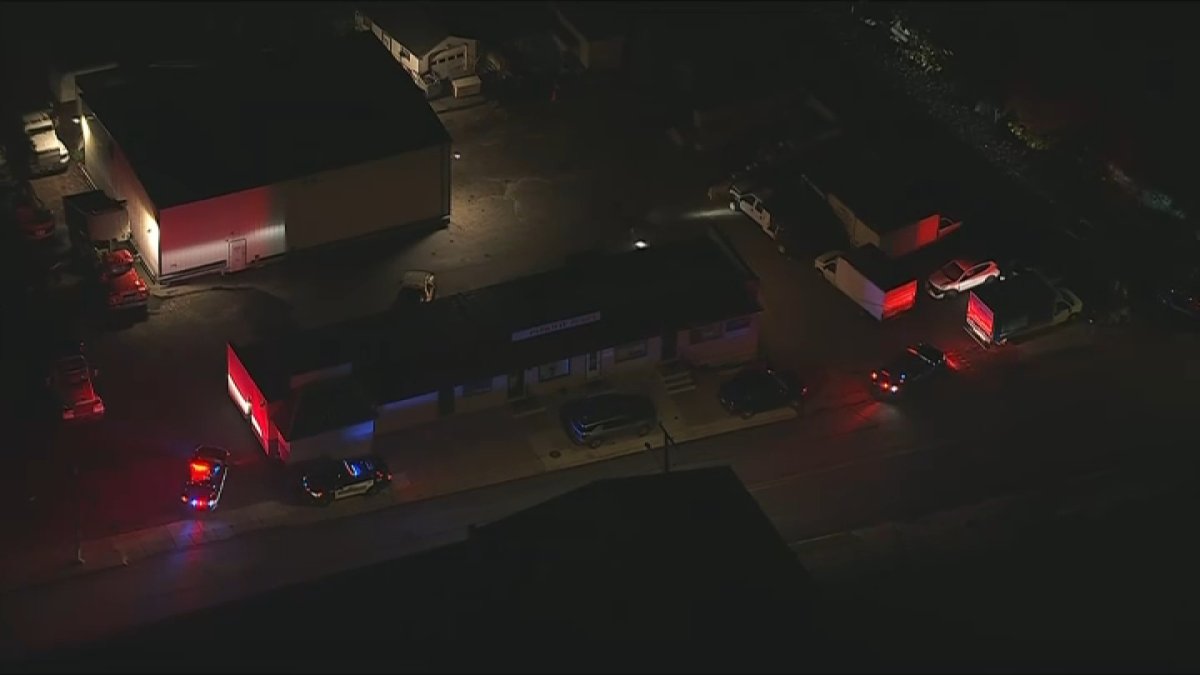
Two Norristown police officers fatally shoot man with knife, say officials
Two Norristown police officers fatally shot a man in Elmwood Park on the night of November 6 after...

Wyoming Valley West Defeats Hazleton Area 35-7 for District 2 Title
Wyoming Valley West Secures District 2-6A Title in Dominant Performance The atmosphere at Spartan Stadium on Friday night...