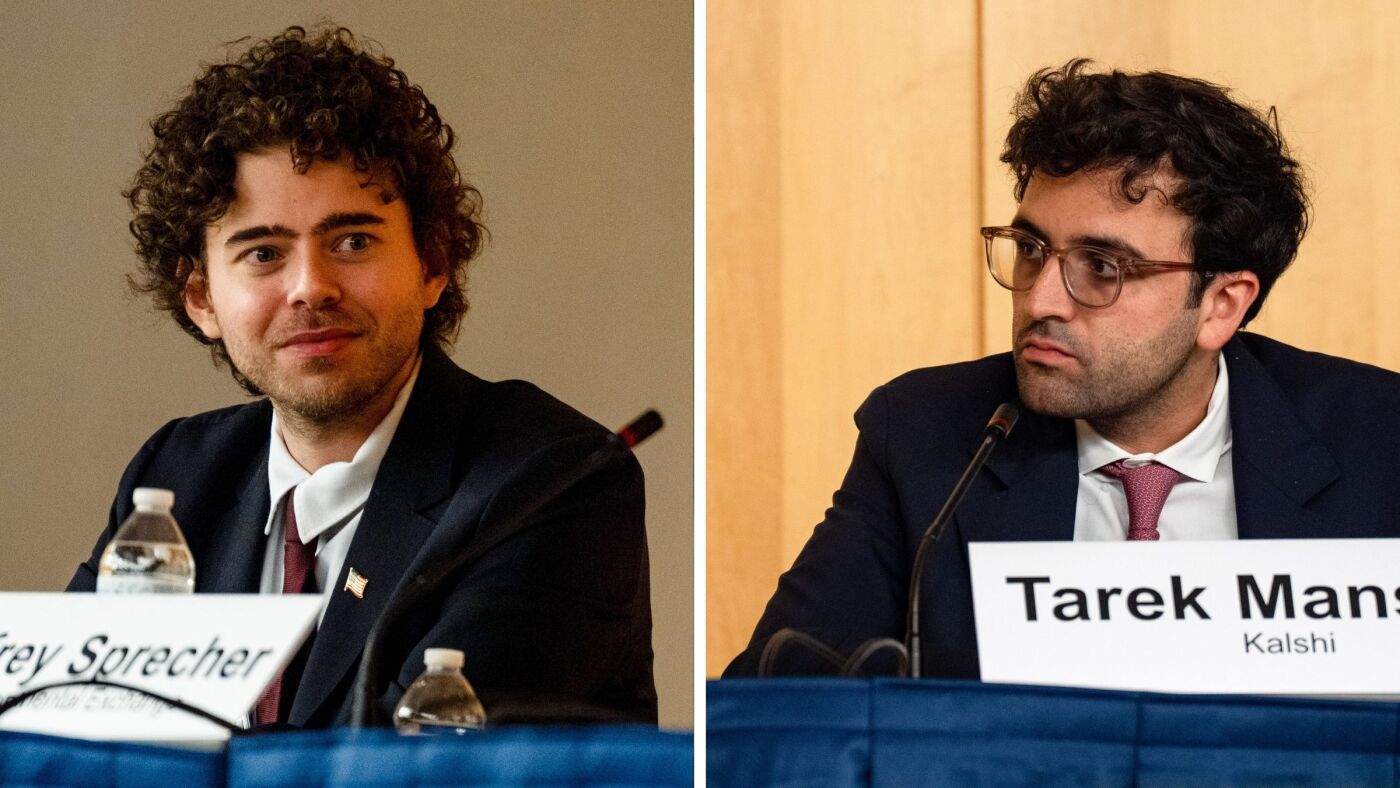
The intense rivalry between prediction market CEOs Tarek Mansour of Kalshi and Shayne Coplan of Polymarket has escalated into a public feud, driven by conflicting business models and existential competition. As both platforms vie for dominance in the rapidly growing prediction industry, their personal animosity is shaping the future of regulated versus offshore betting.
Clashing Business Strategies and Regulatory Lines
The core of the friction between 29-year-old Kalshi CEO Tarek Mansour and 27-year-old Polymarket CEO Shayne Coplan stems from fundamentally opposite approaches to market regulation. Kalshi has spent years pursuing Commodity Futures Trading Commission (CFTC) regulation, positioning itself as a legitimate, US-based financial exchange. In contrast, Polymarket operates as an offshore platform, a strategy that has drawn significant scrutiny but allowed for rapid international expansion.
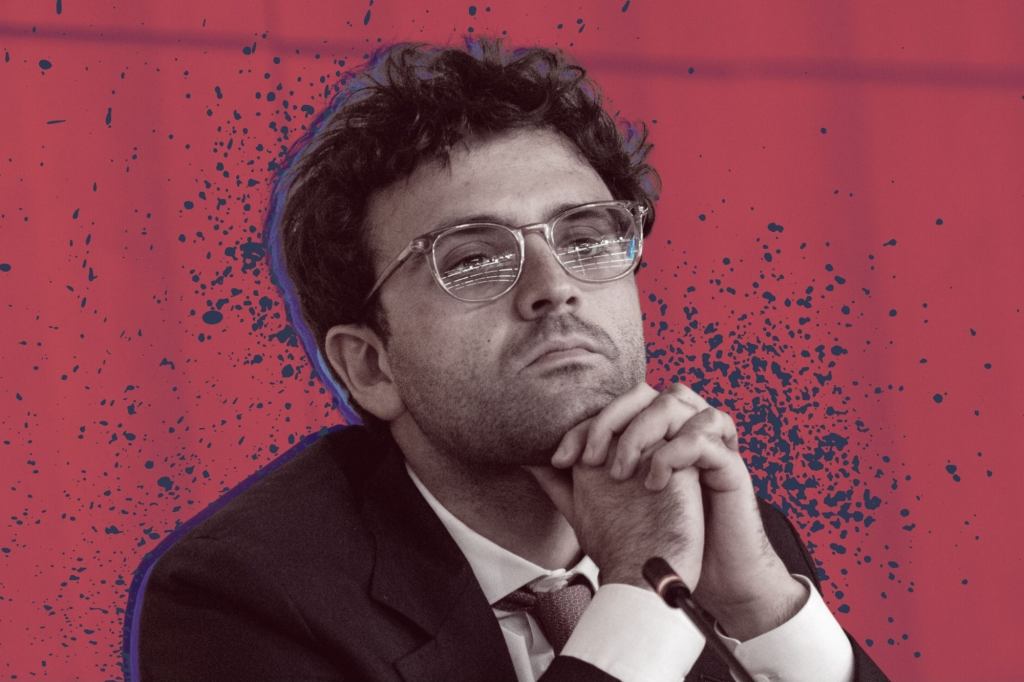
Mansour frequently draws a sharp distinction between his company and its rival, often refusing to even name the competitor directly. He characterizes Polymarket as an unregulated, offshore prediction market,
a label that underscores his effort to frame Kalshi as the ethically superior, compliant alternative. According to reporting by Entrepreneur, this bitter rivalry is not just personal; it is dictating the trajectory of the entire prediction market industry as it attempts to move into the mainstream.
Public Antagonism and Internal Intensity
The feud has bled into public view through social media campaigns, trademark battles, and even local marketing stunts. Both companies have filed applications with the US Patent and Trademark Office to claim the title of the world’s largest prediction market,
despite differing metrics for volume and user base. The antagonism reached a new level in late 2024, when Mansour admitted that Kalshi staff coordinated an anti-Polymarket campaign following the FBI raid on Coplan’s home.
Behind the scenes, the pressure is immense. A former Kalshi employee described the company culture as die-hard,
noting that Mansour pushes his staff relentlessly to hit growth targets. As Futurism reports, this intensity is exacerbated by the perception that the market share battle is existential. While Mansour is vocal about the rivalry, Coplan is described as being more reserved in public, though sources indicate he rages quietly
about his competitor to inner circles.
The Role of Political and Financial Backers
Notably, Donald Trump Jr.’s venture capital firm, 1789 Capital, has invested millions in Polymarket, while he simultaneously serves as a strategic adviser
to Kalshi. This complex web of influence has kept both companies in the spotlight, even as they face legal challenges. Gizmodo notes that the Trump administration has shown little interest in reining in these platforms, dropping previous investigations into Coplan’s company.

The battle for users has led to bizarre publicity tactics, including competing free grocery store
promotions in New York City. Industry observers, such as consultant Dustin Gouker, suggest that while Kalshi is desperate to differentiate itself, the broader public may not fully grasp the legal nuances.
Existential Risks and Future Uncertainty
As the industry faces questions regarding the ethics of betting on sensitive geopolitical events—such as the assassination of Iranian leaders—the two CEOs remain locked in a race for legitimacy. Kalshi recently faced a class-action lawsuit regarding its handling of a death carveout
on bets related to the Iranian Supreme Leader, highlighting the dangers of managing complex, high-stakes markets.
With billions of dollars in volume flowing through these platforms, the rivalry continues to define the sector.
Related reading

Blackmagic Design Offers Limited-Time DaVinci Resolve Studio AI Sale
Blackmagic Design has launched a limited-time 20% discount on DaVinci Resolve Studio 21 alongside editing keyboards and color...

OpenAI Rolls Out Locked Chats with 4-Digit PIN on October 20, 2026
OpenAI rolled out a new privacy feature on October 20, 2026, allowing ChatGPT users to lock sensitive individual...
Elon Musk confirms discussion of merger between Tesla and SpaceX
Elon Musk confirmed that special committees are formally evaluating a potential merger between SpaceX and Tesla, calling the...

NASA’s Perseverance Rover Sets Off-World Driving Record
NASA’s Perseverance rover has shattered the off-world driving record, traveling 28.1 miles across Mars in just five and...