Kansas finalized a Community Impact Agreement this month that tasks the Chiefs with self-reporting the stadium project’s economic benefits, a deal that commits $1.8 billion in state bonds backed by future sales-tax growth in Johnson and Wyandotte counties and up to $975 million more for mixed-use development.
Under the agreement, the state may ask the team to produce an economic and fiscal analysis no more than once every five years, “in consultation with and … satisfactory to the state,” that “demonstrates the positive economic impact that the project will have on the counties and the state,” including effects on local employment, tax revenues and tourism activity in Kansas City, Kan., and Olathe, where the team’s new headquarters and practice facility are planned.
“The state may periodically, but in no event more than once every five years, require that the Chiefs conduct an economic and fiscal analysis or study, in consultation with and . . . satisfactory to the state, which demonstrates the positive economic impact that the project will have on the counties and the state,” the agreement reads.
State Rep. Wanda Paige, a Kansas City Democrat, said she would prefer an independent evaluation but questioned whether one is feasible. “I would like to see an independent (study) but I don’t know if that’s possible or if there’s enough people that want to do that,” Paige said. She added that her district remains deeply divided over the project and that Wyandotte County residents want to “make sure we get our fair share,” especially because future local sales-tax revenue has also been pledged to stadium debt.
A Kansas Department of Commerce spokesperson said the agency will work with the Chiefs and the Kansas Sports Facilities Authority to set standards for any analysis “so that the team is providing timely, accurate information to the state.” “It is imperative that there be full confidence in the reported economic impact of this project, and Commerce will do what is necessary to ensure that confidence exists,” Patrick Lowry said in an email.
Canyon Research Southwest Inc., a New York consulting firm that has produced data for multiple Kansas STAR bond projects, estimated last December that the construction phase would generate about $4.4 billion in economic impact across Wyandotte and Johnson counties, with “nearly 21,000 total jobs, $2.4 billion in value added, and $1.5 billion in labor income.”
State Sen. Mike Thompson, a Shawnee Republican who opposed using public money for 60 percent of stadium costs, said lawmakers should not simply accept the team’s conclusions. “A lot of times, you get these reports and they’re based on nebulous numbers and economic impacts that you can’t particularly go back and compare with anything, so I don’t know how helpful they’re going to be,” Thompson said. “It’s just kind of vague when they talk about economic impacts. You can make almost anything up.”
State Rep. Stephanie Clayton, an Overland Park Democrat, noted that legislators can request the nonpartisan Legislative Division of Post Audit to examine the partnership. “It’s always within a legislator’s purview to request a post-audit study on things, and so I think I would urge any members of the public that if they are curious about that to direct their state legislator to ask for that,” Clayton said.
A 2022 review of 130 studies over 30 years found that nearly all empirical research showed “little to no tangible impacts of sports teams and facilities on local economic activity” and that typical stadium subsidies “far exceeds any observed economic benefits.”
State Rep. Sean Tarwater, a Stilwell Republican who chaired the House Commerce Committee and helped shape the deal, said he believes critics have scored political points.
Tarwater, who lost his seat this month to Democrat Sara Kiewiet by 53 votes according to unofficial results, said he expects sentiment to shift once construction begins. “I’m hoping once the stadium comes out of the ground and you see it and you see all the people working on it and you see all the money being spent around Wyandotte County — I’m hoping that a lot more people will see the positives,” Tarwater said.
Unified Government approves tax pledge, settles lawsuit
The Unified Government Commission voted unanimously on Nov. 5, 2026, to pledge local sales-tax revenue and a portion of transient guest tax revenue from the local STAR Bond district, limited to the stadium and immediate surrounding area. The state agreed to remove the Quindaro Ruins area from its larger STAR Bond District to allow potential future development at the historic site, and the Unified Government agreed to dismiss its lawsuit against the state upon full execution of the cooperative agreement.
Mayor Christal Watson will hold a voting seat on the Kansas Sports Facilities Authority board and the Community Impact Committee described in the Chiefs STAR Bond Agreement. The 11-member authority is expected to hold its first meeting within the next two weeks.
State Rep. Before joining the Legislature, she served on the Kansas City, Kansas Public Schools board from January 2018 until her election.
Paige told reporters she would prefer an independent economic evaluation of the stadium project but questioned its feasibility, noting her district remains deeply divided and that Wyandotte County residents want to ensure they receive their fair share because future local sales-tax revenue has been pledged to stadium debt.
Related reading

Providence Faces BYU in Maui Invitational Third-Place Game
Providence faces BYU on Wednesday in the Maui Invitational third-place game at 3:30 p.m. MST. The Friars enter...
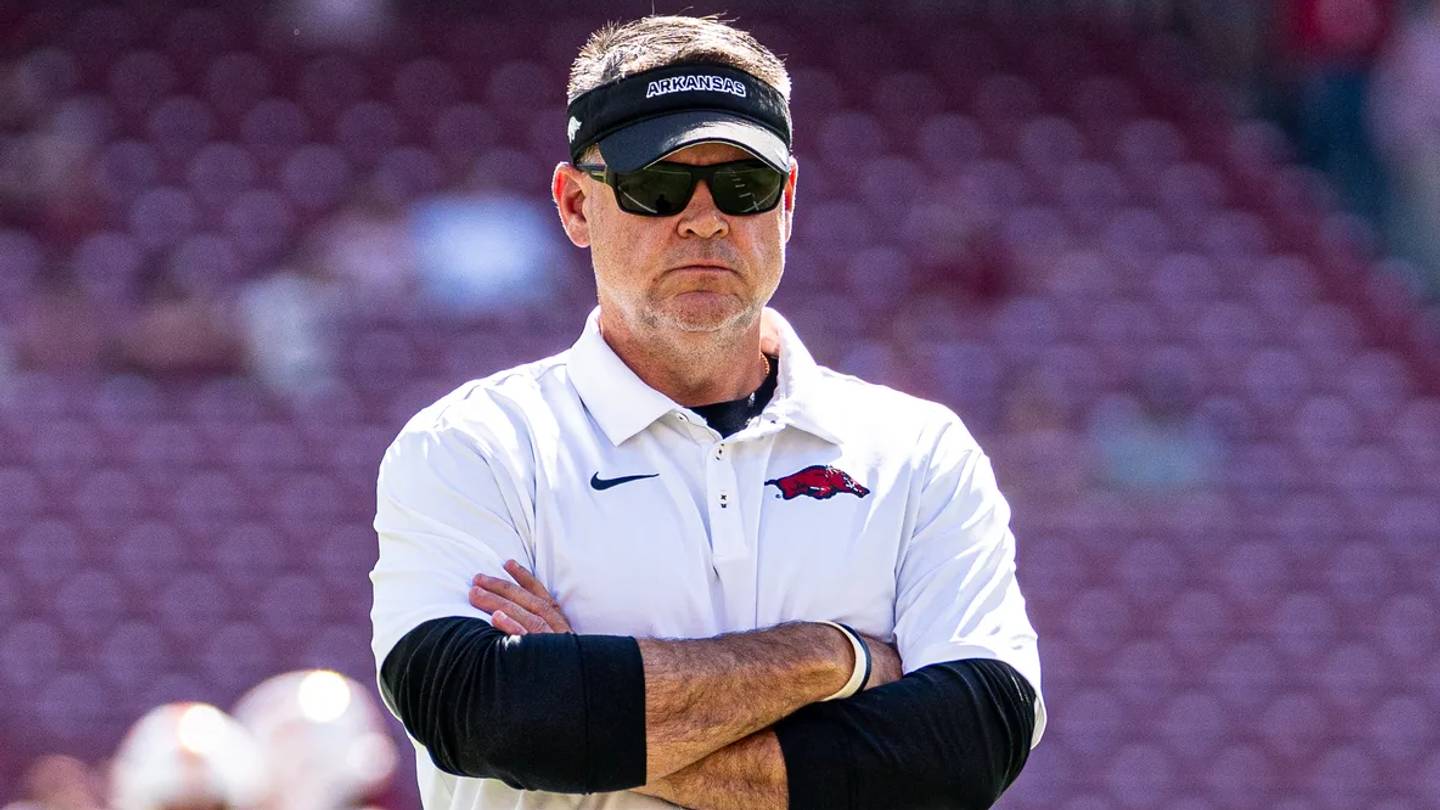
Pittman Indicates Coaching Staff Won’t Be Same After LSU Game
Arkansas head coach Ryan Silverfield indicated his coaching staff will change after Saturday's game against LSU. The Razorbacks...

Ozarks Tech Approves $1.6M for Three Roof Projects After Hailstorm
Ozarks Technical Community College will spend more than $1.6 million on three roof projects approved by its Board...

Pilot Brent Stokes, Five Relatives Killed in Cessna Crash Off Mississippi Coast
Pilot Brent Stokes, 50, his son Hunter Stokes, 16, and four relatives were aboard. The plane departed New...