
NASA satellite sensors detected two separate fire clusters within 80 kilometers of Helena, Montana, on Tuesday, with the nearest burning 11 kilometers south-southwest of the city center, according to data from the VIIRS instruments processed by GodsView AI.
The system recorded three thermal hotspots across the two clusters during the 48-hour window ending with a satellite pass at 12:40 p.m. local time Tuesday. The closest cluster, 11 km SSW of Helena, registered a single detection with a peak fire radiative power of 5 megawatts — classified as low-intensity for a single 375-meter pixel.
The second cluster, 64 km west-northwest of the city, produced two detections with a combined peak radiative power of 13 MW, also observed during the 12:40 p.m. pass.
One cluster falls within 25 km of Helena, close enough that smoke, ash or road closures could affect the city, the analysis noted. Distances are measured from the city center to the nearest detection, not to the fire’s edge.
Wind at Helena was blowing from the west-southwest at 5 km/h with gusts to 11 km/h, pushing any smoke toward the east-northeast. Relative humidity stood at 68% with a temperature of 1°C. The city is not directly downwind of the nearest fire at the moment, though shifting winds or plumes from larger fires could still carry smoke into the area.
GodsView AI emphasizes that its platform shows satellite detections only and does not provide fire perimeters, containment status or evacuation zones. Residents should follow evacuation orders from local authorities, including county sheriffs and emergency management, often disseminated via Genasys Protect or local alert apps. Federal incident information is listed on InciWeb.
The analysis also cautions that satellite thermal hotspots are not all wildfires — gas flares, industrial facilities, volcanoes and prescribed burns can appear as detections. VIIRS satellites pass over most locations roughly twice daily, meaning a fire can start or grow between passes, and thick smoke or cloud cover can obscure active flames.

Providence Faces BYU in Maui Invitational Third-Place Game
Providence faces BYU on Wednesday in the Maui Invitational third-place game at 3:30 p.m. MST. The Friars enter...

Pittman Indicates Coaching Staff Won’t Be Same After LSU Game
Arkansas head coach Ryan Silverfield indicated his coaching staff will change after Saturday's game against LSU. The Razorbacks...

Ozarks Tech Approves $1.6M for Three Roof Projects After Hailstorm
Ozarks Technical Community College will spend more than $1.6 million on three roof projects approved by its Board...
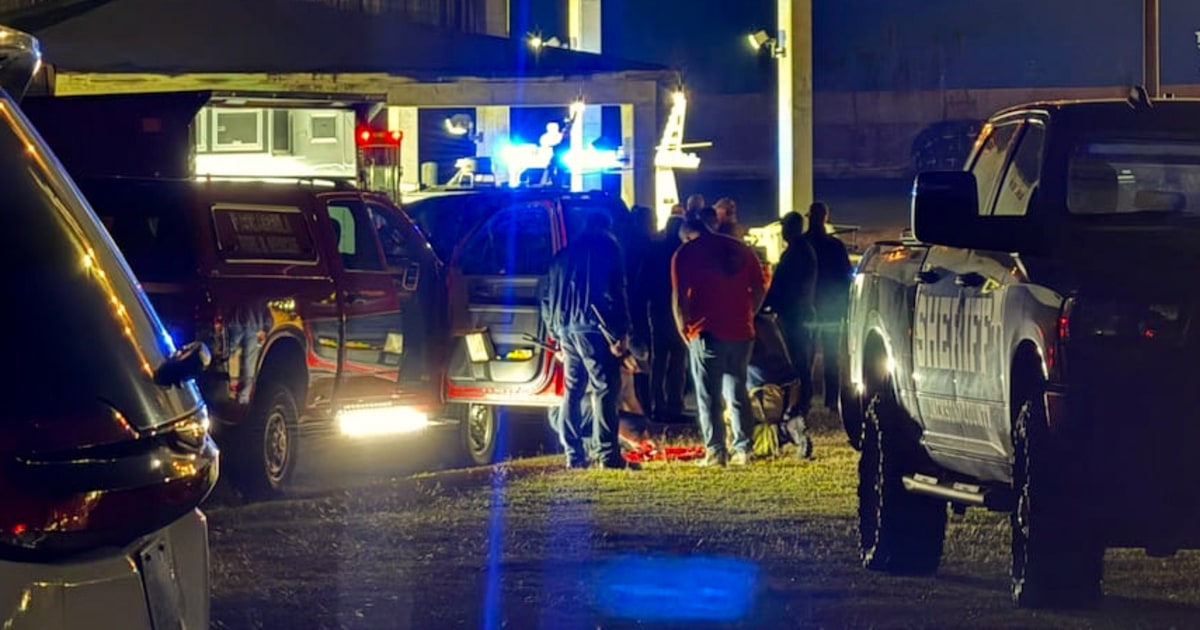
Pilot Brent Stokes, Five Relatives Killed in Cessna Crash Off Mississippi Coast
Pilot Brent Stokes, 50, his son Hunter Stokes, 16, and four relatives were aboard. The plane departed New...