
The superintendent of the Kansas Highway Patrol wants state lawmakers to regulate automated license plate readers during the upcoming legislative session, pointing to public concerns over data privacy, long-term retention, and potential officer misuse.
Col. Erik Smith outlined the agency’s legislative priorities during a Nov. 10 meeting of the Joint Committee on Kansas Security, as reported by The Topeka Capital-Journal. The push for a statewide safeguards bill comes after a groundswell of public debate regarding how law enforcement agencies handle automated license plate readers, or ALPRs.
“It’s been a hot topic, there’s no doubt, since last summer,” Smith told lawmakers, according to The Topeka Capital-Journal. “A lot of vocal outcry about the use of license plate readers by law enforcement, frankly, around the country.”
How Kansas Deploys Plate Readers
In 2024, the Kansas Legislature appropriated roughly $2 million to the Highway Patrol to establish a statewide ALPR program. The agency currently operates 91 fixed license plate reader locations across the state alongside 54 mobile units mounted directly to patrol vehicles, which includes setups around the Capitol Complex in Topeka.
While Flock Safety remains the most recognizable provider in the sector, Smith said that the patrol also utilizes technology from Axon, Motorola, and Leonardo. These systems rely on motion-activated cameras paired with software that captures specific vehicle attributes as cars pass by.
“They capture specific vehicle information as the vehicle passes by,” Smith said, as reported by The Topeka Capital-Journal.
“That information is limited to the license plate number and characteristics that would identify the make, model, color, body type and some other distinguishing features – for example, damage to a fender or a bumper sticker – and then the date and the time and the location of where that license plate read was captured.”
Law enforcement officials maintain that the technology serves as a vital investigative asset for recovering stolen vehicles, locating missing persons through Silver and Amber alerts, and gathering evidence linked to drug trafficking and human smuggling. Commercial vehicle inspectors also rely on the system for administrative duties.
Addressing Public Skepticism
Public pushback has centered largely on fears of mass surveillance, data ownership, and who ultimately accesses the stored records. Lawmakers pressed officials on whether state data flows freely to federal partners like the FBI. Smith acknowledged to the KWCH reporting team that current statutes lack formal guardrails restricting how law enforcement intelligence is shared with outside agencies.
To combat potential overreach, the proposed model bill includes specific prohibitions against using collected data to target individuals engaged in constitutionally protected activities.
“There’s also a specific prohibition against using the data in any form or fashion to target somebody for a constitutionally or a lawfully protected activity,” Smith told lawmakers, according to KWCH. “So that includes speech, that includes political affiliation, it would include attendance at a mosque or a synagogue or a church.”
Smith also addressed functional boundaries of the cameras, noting they do not employ facial recognition software, automatically generate personally identifiable information without manual investigative steps, or issue traffic citations for speeding.
A native of Ellsworth, Kansas, Col. Erik Smith began his law enforcement career in 1993 with the Sedgwick County Sheriff’s Department before joining the Drug Enforcement Administration in 2002. He served as a special agent in Minneapolis and Wichita, then rose to Supervisory Special Agent in the Kansas City District Office in 2011.
Smith later led the DEA’s Office of Professional Responsibility as Inspector and oversaw more than 130 personnel as Assistant Special Agent in Charge in Kansas City. He was appointed to the Senior Executive Service in 2020, serving as Deputy Special Agent in Charge of the Houston Division before becoming DEA Chief Inspector in 2021. He retired from the DEA on June 30, 2023, and was sworn in as Kansas Highway Patrol Superintendent on March 4, 2024.
The proposed legislation is currently being drafted through the revisor’s office with input from retired Topeka Police Chief Ed Klumpp, representing various law enforcement associations. The safeguards bill stands as a primary agenda item for the Highway Patrol as the 2027 legislative session approaches.
Worth a look

Iowa State Women’s Basketball Tops UNI 72-57 Behind Turnšek, Tuttle
UNI Athletics dropped a 72-57 decision to Iowa State on Wednesday as the Panthers fell short on the...

Frankfort Report: Ideal Mimico Project Unraveled Into Power of Sale
In a candid column published by The Frankfort Report, an anonymous real estate developer argues that even an...

Montana Tech Places 37 Student-Athletes on Fall 2026 NAIA Scholar-Athlete List
Montana Tech lands 37 on NAIA Scholar-Athlete roster Thirty-seven Montana Tech student-athletes earned NAIA Scholar-Athlete recognition for their...
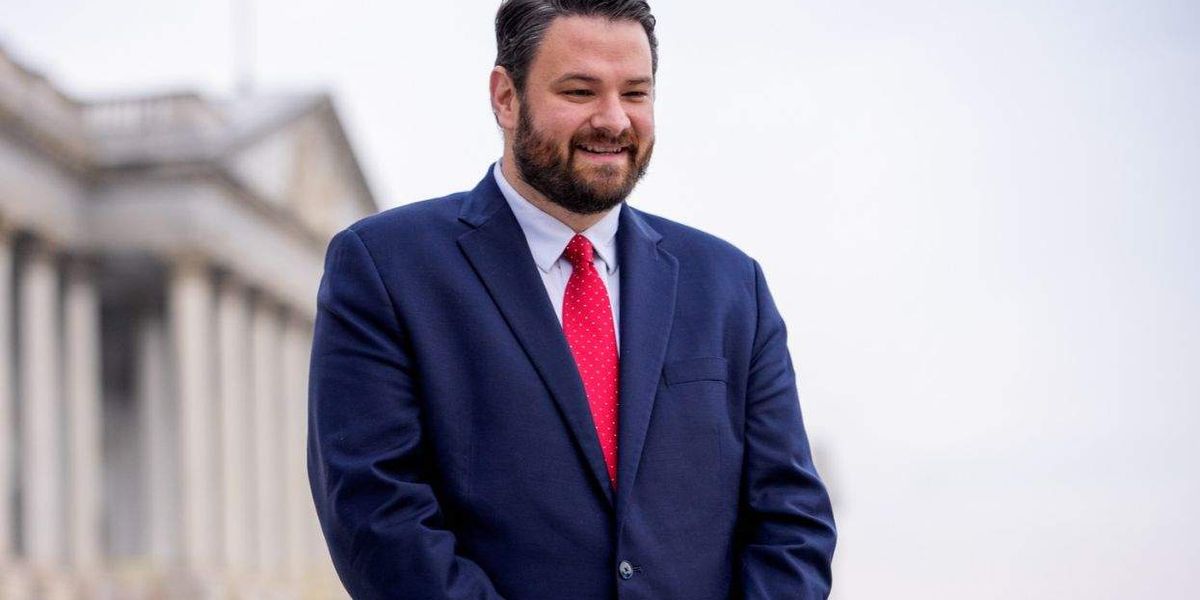
JD Ford Defeats Spartz, Becomes Indiana’s First Out LGBTQ+ Congress Member
JD Ford defeated Spartz on November 3, becoming the first out LGBTQ+ person Indiana has elected to Congress....