
Alaska’s Nikiski LNG plant operated for 48 years without missing a shipment or causing a major accident, Kenai Peninsula Borough Mayor Peter Micciche told The Chosun Daily Daily in an interview on Nov. 7.
The plant, built by Phillips Petroleum in 1969, shipped the first large-scale LNG exports from the United States to Japan and established the cooling technology still used as the global standard for large liquefaction facilities.
“Alaska is the undisputed pioneer of the LNG industry, achieving large-scale commercial LNG extraction and exports thanks to ConocoPhillips’ innovative technology,” Micciche said. He pushed back on claims that earthquakes and permafrost make Alaska LNG projects unfeasible. “While Alaska has experienced minor and major earthquakes, from the first LNG export to Japan in 1969 until operations halted in 2017 due to gas shortages, the plant operated for 48 years without ever missing a shipment or causing a major accident,” he said.
Micciche also disputed the assertion that construction windows are limited to two or three months a year. “Gas pipelines buried underground incur high winter excavation costs. By pre-fabricating facilities and transporting them by sea for assembly, costs and construction time can be optimized, enabling completion in approximately 36–40 months,” he said.
The Nikiski terminal sits on Cook Inlet, which has the world’s second-largest tidal range at roughly nine meters, providing deep water for large vessel docking.
Two new terminals are planned alongside the existing facility to handle gas from northern fields for export to Asia, Micciche said. Phillips engineers completed the original project — plant construction, pipeline development, two Tokyo terminals and two dedicated LNG carriers — in 27 months, according to the mayor.
Worth a look
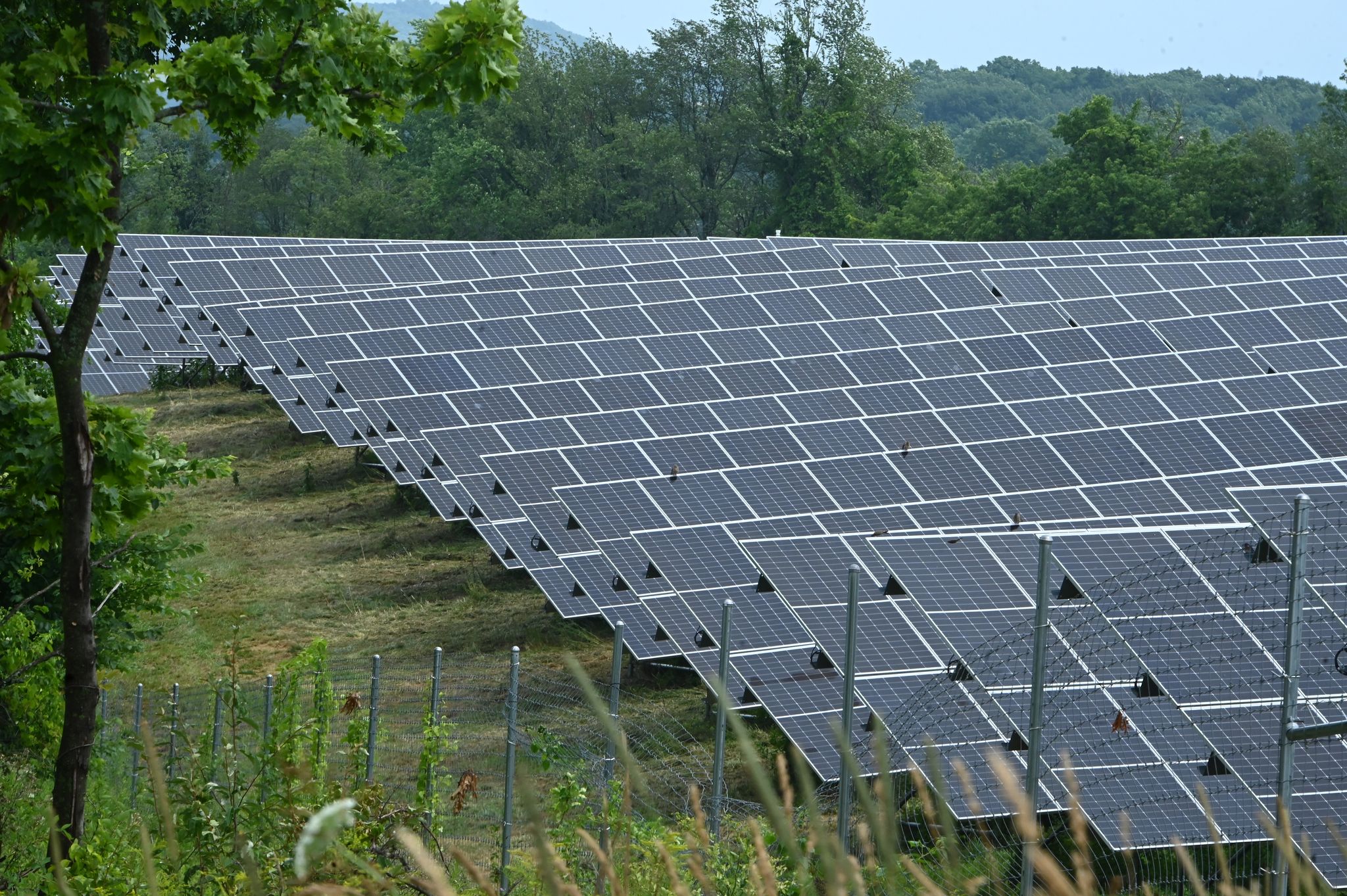
New York Could Face Electricity Shortfall by 2033, NYISO Warns
New York could face an electricity shortfall by 2033, giving the state roughly seven years to add generation...

Kapolei City Lights Opens 2026-2027 Season With ‘Paniolo Nights’ Parade’
Kapolei City Lights opened its 2026 season Saturday with a "Paniolo Nights & Holiday Lights" block party and...
Mississippi State Fires Strength Coach Shaud Williams, Safeties Coach Evan Harvey After 5-7 Season
Mississippi State head coach Jeff Lebby removed strength and conditioning director Shaud Williams and safeties coach Evan Harvey...
Democrat Christine Scianna Flips Arizona GOP Seat, Will Join House Majority in 2027
Democrat Christine Scianna will join the Arizona House of Representatives in January 2027 after unseating Republican James Taylor...