The Sixth District race could signal a national shift
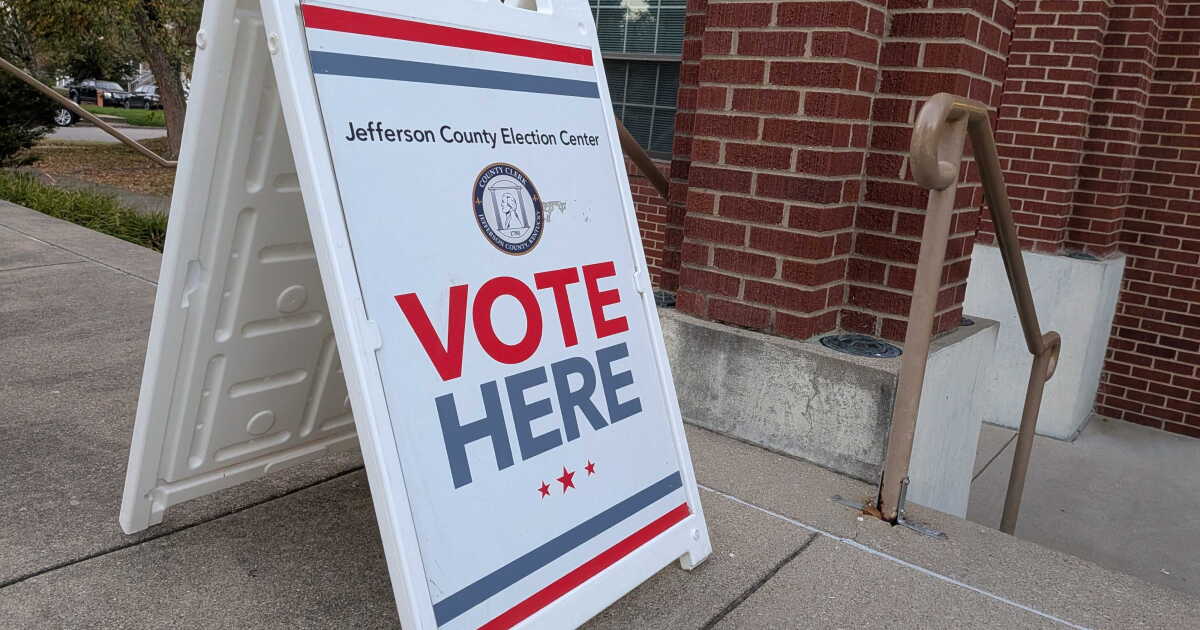
The race between Zach Dembo and Ralph Alvarado in Kentucky’s Sixth Congressional District stands to be the first competitive congressional contest called on election night, provided the results do not trigger a recount. Because the district sits entirely within the eastern time zone and Kentucky polls close early, the outcome here serves as a critical bellwether for the rest of the country. If Dembo wins or remains within a margin requiring a recount, political observers suggest it could signal a strong night for Democrats nationally, potentially aiding their efforts to reclaim the House majority and compete for the Senate.
Kentucky, we are aware of a series of incidents in Lexington around one suspect, including a trooper-involved shooting and an additional shooting at Richmond Road Baptist Church with multiple injuries. The trooper and others are being treated at a nearby hospital. 1/2
According to reporting from LPM, this race represents a significant departure from the district’s recent political history. Democrats have struggled to reclaim this central Kentucky seat since 2012, when Andy Barr unseated former Congressman Ben Chandler. While the seat was long considered a Republican stronghold—notably after Ralph Alvarado secured the nomination in a landscape where Donald Trump won the area by 15 percentage points in 2024—the current political climate has shifted the math. Factors such as inflation and changing presidential approval ratings have moved the contest from a “Safe Republican” designation to a “toss-up” by November.
The stakes extend far beyond a single seat. Governor Andy Beshear, who is not on the ballot himself, has invested significant political capital and super PAC funding into this specific contest. His success is tied to the broader performance of the Democratic Governors Association, which he chairs. If Democrats flip their current 24-to-26 minority of governorships into a majority, Beshear could gain the national momentum and name recognition necessary for his anticipated 2027 presidential run.
Voters weigh executive clemency and local grievances
Beyond federal seats, Kentucky voters face a constitutional amendment that could fundamentally alter the powers of the state’s executive branch. The measure seeks to limit a governor’s ability to issue pardons and commutations at the end of their term, a move prompted by the controversial clemency actions taken by former Governor Matt Bevin in 2019. While the bill passed through both chambers of the legislature with large majorities, it faces an uncertain future at the ballot box. Newsbreak.com notes that Kentucky voters have rejected the last three ballot referendums in 2022 and 2024, including Republican-led efforts regarding abortion rights and school funding.
Local issues are also driving momentum in several municipalities. In Lexington, Mayor Linda Gorton is seeking a third term amid discussions regarding local infrastructure, specifically following issues with snow removal last winter. Meanwhile, in Louisville, Mayor Craig Greenberg faces a challenge from Shameka Parrish-Wright, who is relying on progressive voter turnout to bridge a significant spending gap.
A new point of contention emerging in local races is the development of data centers. Candidates in various districts have campaigned on a platform of transparency, reacting to constituent opposition regarding how local officials manage these large-scale projects. If incumbents are unseated over this issue, it may signal a shift in how the state legislature handles tax breaks for data center companies during the 2027 session.
The battle for the Frankfort supermajority
While Democrats look for breakthroughs, Republicans are working to solidify their control of the state legislature. The GOP currently holds an 80% supermajority in Frankfort, and they are aiming to expand that dominance. In the state House, Republicans are heavily investing in candidates like Ken Fleming, Jason Nemes, and Susan Witten to protect suburban seats. The disparity in resources is stark: while four Republican candidates in these districts have benefited from $1.2 million in independent PAC spending, their Democratic opponents have reported spending less than $250,000.
The following table outlines the primary competitive dynamics within the state’s legislative and federal landscape:
| Race Type | Key Candidates | Political Context |
|---|---|---|
| U.S. House (6th Dist.) | Zach Dembo vs. Ralph Alvarado | A major bellwether; shifted from “Safe Republican” to “Toss-up.” |
| U.S. Senate | Charles Booker vs. Andy Barr | Booker seeks to narrow the margin in a traditionally lopsided race. |
| State House/Senate | Various (e.g., Fleming, Nemes, Witten) | High-spending battle for suburban Louisville districts. |
| Judicial | Will Moynahan vs. Lucy VanMeter | A proxy war between the Governor and legislative leaders. |
Even in nonpartisan judicial races, the partisan divide is deepening. LPM reports that Governor Beshear’s dark money group has contributed at least $250,000 toward supporting Court of Appeals Judge Will Moynahan. This comes as Republican legislative leaders have backed Fayette Circuit Judge Lucy VanMeter, marking the third consecutive cycle where high-profile judicial contests have become central to the broader struggle between the governor and the legislature.
For the residents of Kentucky, the night’s results will determine more than just who holds office; they will reveal whether the state’s political trends are aligning with national shifts or if the traditional Republican dominance in the Commonwealth remains unshakable.

Southern Maine businesses embrace Nordic cuisine and lifestyle
Portland and Saco businesses embrace Nordic cuisine and lifestyle A growing number of restaurants and specialty shops across...

Trump and Beshear Clash Over Kentucky’s Key Congressional Race
Kentucky’s 6th District race serves as an early bellwether for the national election "Hello Kentucky, special place. I...

Children’s Mercy cuts 115 jobs and moves 473 staff to outside partner
Children's Mercy eliminates 115 jobs and transitions hundreds more to outside partner Children's Mercy is cutting 115 positions...
Democratic Priorities if They Retake the House of Representatives
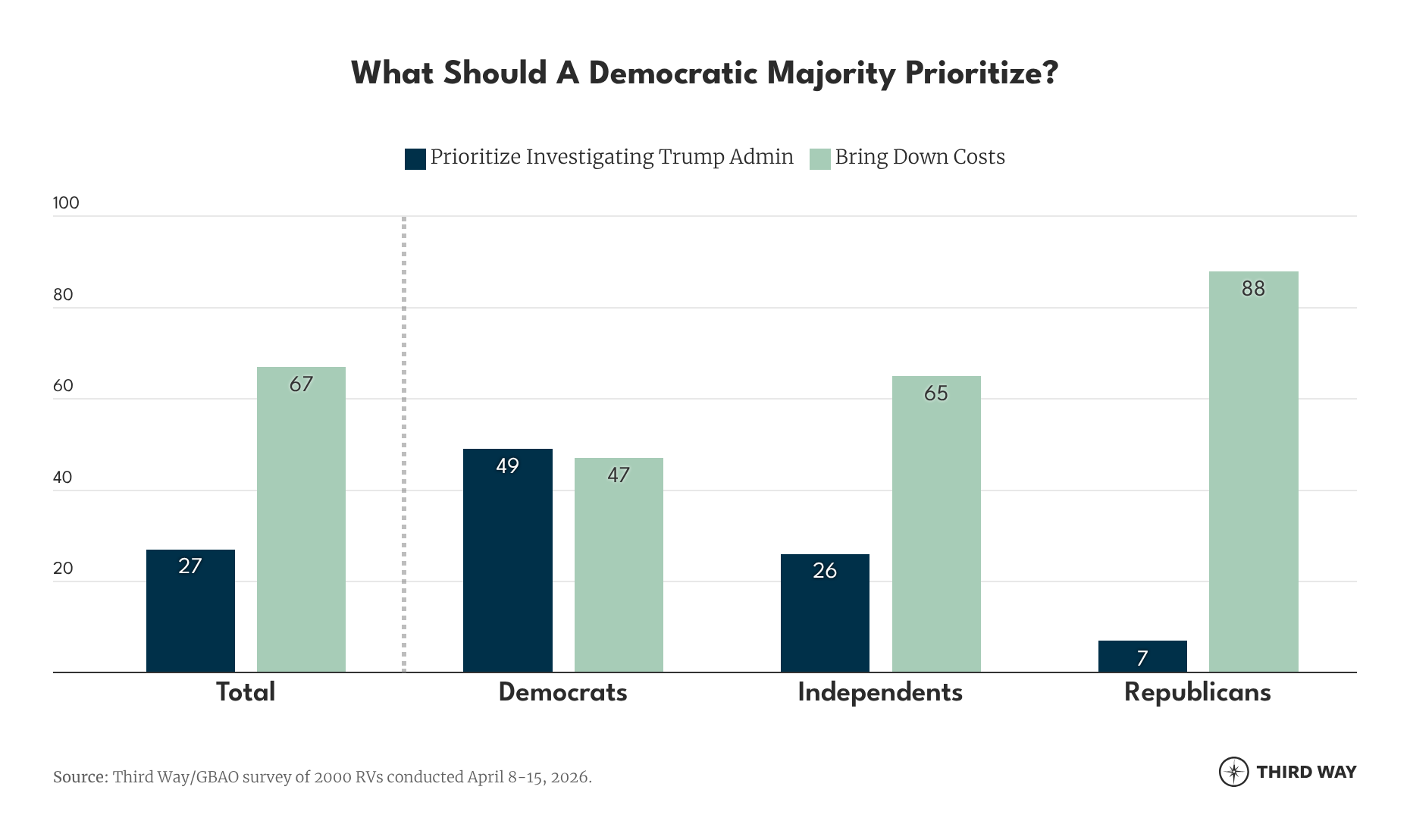
If Democrats retake control of the House of Representatives, party leaders intend to prioritize a legislative agenda focused...