
Nine Republican incumbents lost their seats in suburban districts around Louisville earlier this month, yet the party will keep supermajorities in both chambers when the General Assembly convenes in January for the 2027 session.
Senate Republican Floor Leader Max Wise of Campbellsville told Kentucky Lantern he does not expect any major shift in GOP priorities, including the continued push to lower the state income tax. “I do not think there was anything that we have done as state policy that was a direct effect on those elections at all,” Wise said. “I think it was a traditional presidential midterm election.”
The defeated senators include Licensing and Occupations Chair Julie Raque Adams of Louisville and Education Committee Vice Chair Lindsey Tichenor of Smithfield. Senate Republican Floor Leader Max Wise praised the two defeated GOP senators for their “passion for policy” and described the losses as “a trickle down from federal policies that were being put forth at that level.” He said that could pressure lawmakers to direct more money to Medicaid after Gov. Andy Beshear used $255 million in state funds over the summer to block a 4% provider reimbursement cut. Adams and Rep. Ken Fleming of Louisville, both defeated, had co-chaired the Medicaid Oversight and Advisory Board. Data centers also surfaced as a campaign issue. House Republican Whip Jason Nemes of Middletown sponsored a 2025 bill expanding a sales and use tax break for data center equipment statewide. His opponent, Democrat Jennifer Hardin, criticized him for it, Kentucky Lantern reported. The district covers Jefferson and Oldham counties, where residents have opposed data center projects. Bluegrass Institute CEO Caleb Brown predicted housing will remain a major issue despite the defeat of Rep. Susan Tyler Witten, R-Louisville, who co-chaired the housing task force. “Young people are still being priced out of home ownership,” Brown said. He also expects legislation to curb surveillance technology after a U.S. Supreme Court ruling that police review of cell phone location data constitutes a Fourth Amendment search.
“I think that there will be a serious effort among people who care about freedom in the Republican Party versus everybody else to try to claw back some of the surveillance powers that the General Assembly rolled out last year,” Brown said. Terry Brooks, executive vice president of Sunrise Children’s Services, said “kids lost” in several races because incumbents who backed kinship-care legislation were ousted. “Rookies from the minority party simply are not going to be players of influence come January,” Brooks said. “It does not matter about what substance those newcomers may bring; it’s an issue of power and not ideas.”
Democrats gained about seven new House members, all from urban areas around Lexington and Louisville, giving the caucus more committee seats. “Because our numbers increased significantly enough, that has changed the proportion of committee membership, and so we are going to have a greater presence in the committee meetings where the policies are hashed out,” Burke said.
Rep.-elect Robert Bell of Louisville, a democratic socialist, adds a further-left voice that Burke said could test alliances with the right-wing Liberty Caucus. “Often we can agree that that’s a good thing. So it’ll be interesting to see if by having a member go even further left, if we start to meet some of those far-right members and have the opportunity to work with them,” Burke said.
Wise argued Republicans have maintained a “pretty fair balance” between urban and rural spending. The most recent one-time spending bill totaled $1.7 billion, with about $189 million directed to Louisville initiatives. “I don’t think you’re going to see us take our foot off the gas as a supermajority of what we’re going to continue to do in terms of policy,” Wise said.
Related reading

WYDOT Adds Real-Time Wildlife Collision, Migration Alerts to 511 Notify System
Wyoming drivers can now receive real-time wildlife collision alerts and seasonal migration warnings through the Wyoming Department of...

Mississippi Election Laws Face Scrutiny After Tight Senate Race Highlights Voter Inactivation
On November 24, 2026, Mississippi election laws faced intense scrutiny following a tight U.S. Senate race where Democrat...

FHWA Approves $9.1M More for Colorado Flood Repairs; Total Quick-Release Funds Reach $15.6M
I am thankful for these additional emergency funds from the Federal Highway Administration. Getting this funding now means...
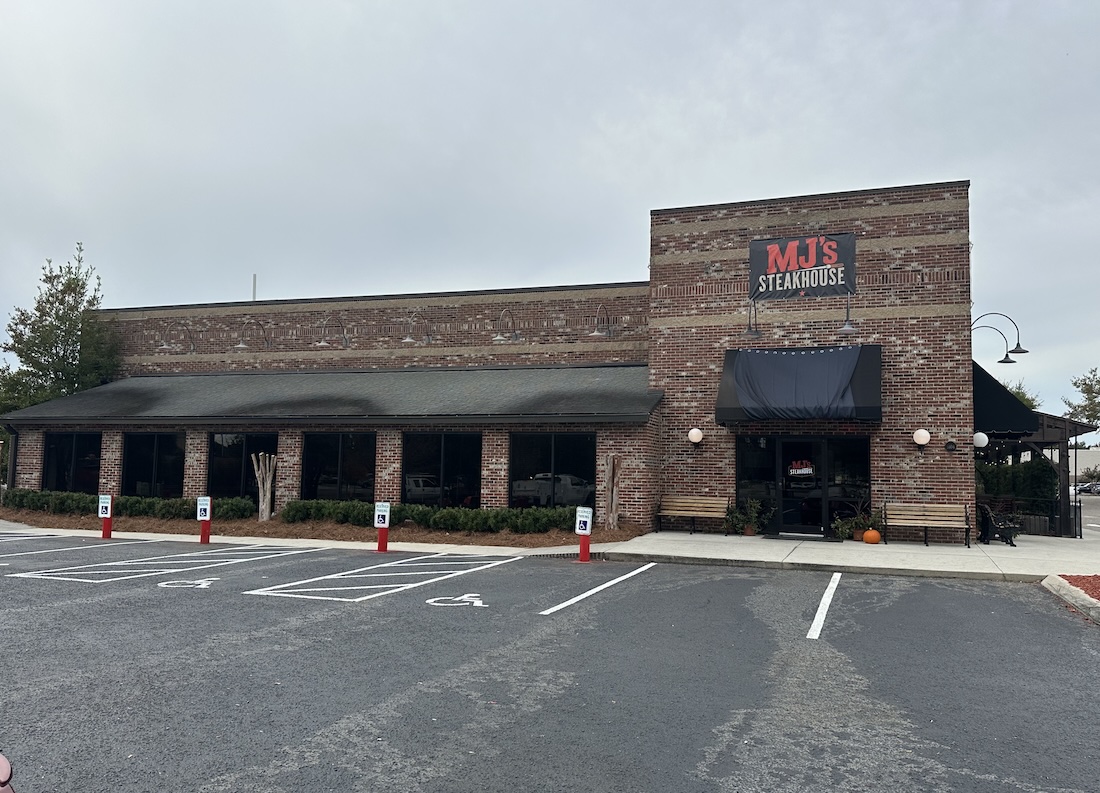
MJ’s Steakhouse Serves 400 Daily, Closes One Day to Restock
MJ's Steakhouse served roughly 400 customers daily in its first week at 5104 College Road, forcing a one-day...