
In a LinkedIn post published Friday, Colorado trial lawyer Kevin Cheney argues that the state’s near-total absence of recorded trial proceedings is leaving a generation of attorneys without a crucial learning tool.
Cheney writes that none of his trials are videotaped and that almost none in Colorado are, a gap he calls a “huge missed opportunity for trial lawyers.” He is not necessarily advocating for televised proceedings, he says, but wishes trials could be recorded so lawyers could review them later — “our version of a pro athlete watching game tape.”
The post highlights a structural problem in legal education: fewer cases go to trial than ever, Cheney notes, yet the only way to watch real proceedings in Colorado is to sit in the courtroom live. “Not everyone has the luxury of spending the day away from their own cases,” he writes.
He points to a website that hosts real trial footage but says it is “almost all Florida and California cases. Essentially nothing from Colorado.”
Cheney acknowledges existing training grounds. He says he is glad mock trial programs remain strong at law schools and cites the Colorado Trial Lawyers Association’s New Lawyer Bootcamp, which he teaches with his partner Tim Galluzzi — “when I’m not on a plane coming back from a conference,” he adds. He also notes the growth of professional workshops nationwide that focus on practical trial skills.
Cheney co-founded CGH Injury Lawyers and serves as the firm’s Managing Partner, focusing on injury and accident law. He earned a B.A. in Political Science and American Studies from the University of Hawaii, Manoa, and a J.D. from the University of Colorado School of Law.
He was named New Trial Lawyer of the Year by the Colorado Trial Lawyers Association in 2024 and was selected to the Lawdragon 500 Leading Litigators in America in 2027. He also serves on the Board of Governors and Executive Committee of the Colorado Bar Association.
Cheney and Galluzzi started their firm right after graduation, he says, and presentations like the bootcamp were essential then. The difference now, he argues, is that video would allow asynchronous study — lawyers could watch “any other time you can fit it in” — rather than requiring physical presence in a courtroom.
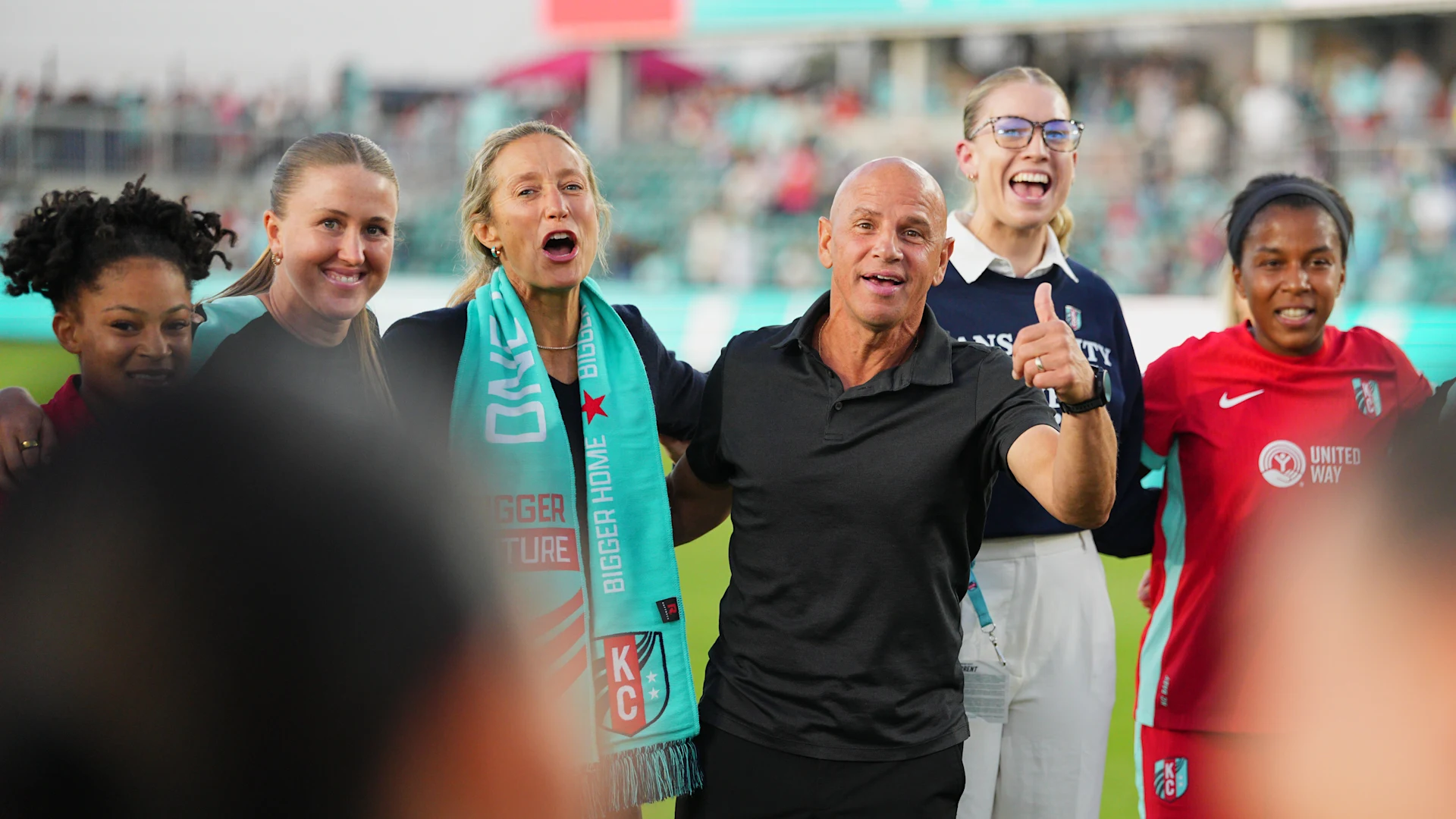
Chris Armas’ Crossword Puzzles Bring Joy to Kansas City Current
Kansas City Current forward Haley Hopkins scored the winner in the last minute of regulation against Gotham FC...

VFW Post 406 Rededicates Memorial Boulevard on Veterans Day
"Memorial Boulevard is more than a roadway; it is a lasting tribute to the courage, patriotism and sacrifice...

Randy Pierce — known to everyone
Randy Pierce — known to everyone who crossed his threshold simply as "Frog" — died on November 20,...
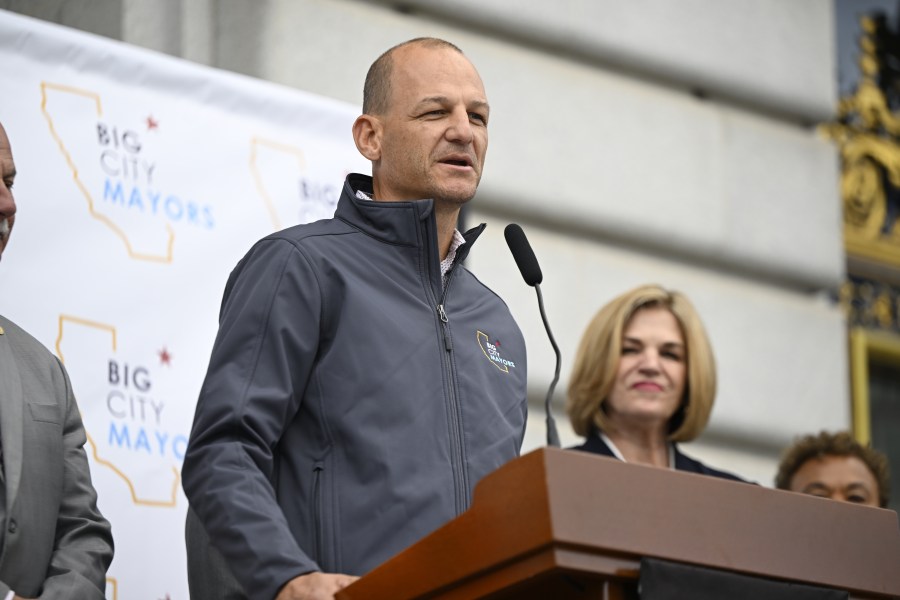
Sacramento Mayor Kevin McCarty Settles With Ethics Watchdog for $29,500
Sacramento Mayor Kevin McCarty paid for his family's cellphone bills with campaign money for years, a habit that...