
Nearly 100 Labour MPs have signed a letter to Prime Minister Andy Burnham opposing the approval of the Rosebank oil field.
The rebellion, which includes 92 backbenchers and at least four frontbenchers, marks a significant internal division for the government over its climate commitments. The move has been described as a civil war for Burnham, who took office on 20 July.
While some ministers are reportedly considering resignation if the project proceeds, others within the party are pushing for its approval. One supporter of the project suggested that those in opposition are simply “resorting to internal party politics”.
Climate Credibility and Electoral Risks
The signatories of the letter argue that authorizing the field could cause permanent damage to the party’s environmental reputation. The letter warns the Prime Minister that “approving Rosebank risks becoming an irreversible ‘point of no return’ for the party’s climate credibility,” potentially alienating voters who expect climate leadership.
The letter further urges the Prime Minister to demonstrate that the party stands with people suffering from the effects of climate change rather than those fueling it.

Catherine Fookes, the MP for Monmouthshire who helped organize the letter, said that concerns regarding the project are widespread throughout the parliamentary Labour party.
Opposition within the party has been building through various parliamentary channels, including:
- An opposition day debate on oil and gas on 24 March.
- A Westminster Hall debate on 24 June.
- An urgent question regarding Jackdaw and Rosebank on 3 September.
- Energy department questions on 13 October.
- A ministerial statement approving the Jackdaw gasfield on 21 October.
- A Westminster Hall debate on 11 November.
Economic and Environmental Arguments
Critics of the project question the economic necessity of the field, noting that tax revenues from oil and gas are expected to drop to nearly zero by 2030. Some MPs argue that the tax revenue raised would represent less than 0.1% of total annual UK tax receipts.
Modelling regarding Rosebank and the conclusion of the energy profits levy suggests a potential net loss of approximately £250 million to the Treasury, even as operators might see profits of about £1.5 billion.
The debate also involves a comparison of investment priorities. Some representatives have suggested that rather than spending £4.1 billion to explore difficult fields like Rosebank, the government should direct those funds toward renewable energy and securing green jobs. Arguments have been made that the field will not improve energy security, as the majority of the oil produced is intended for international markets.
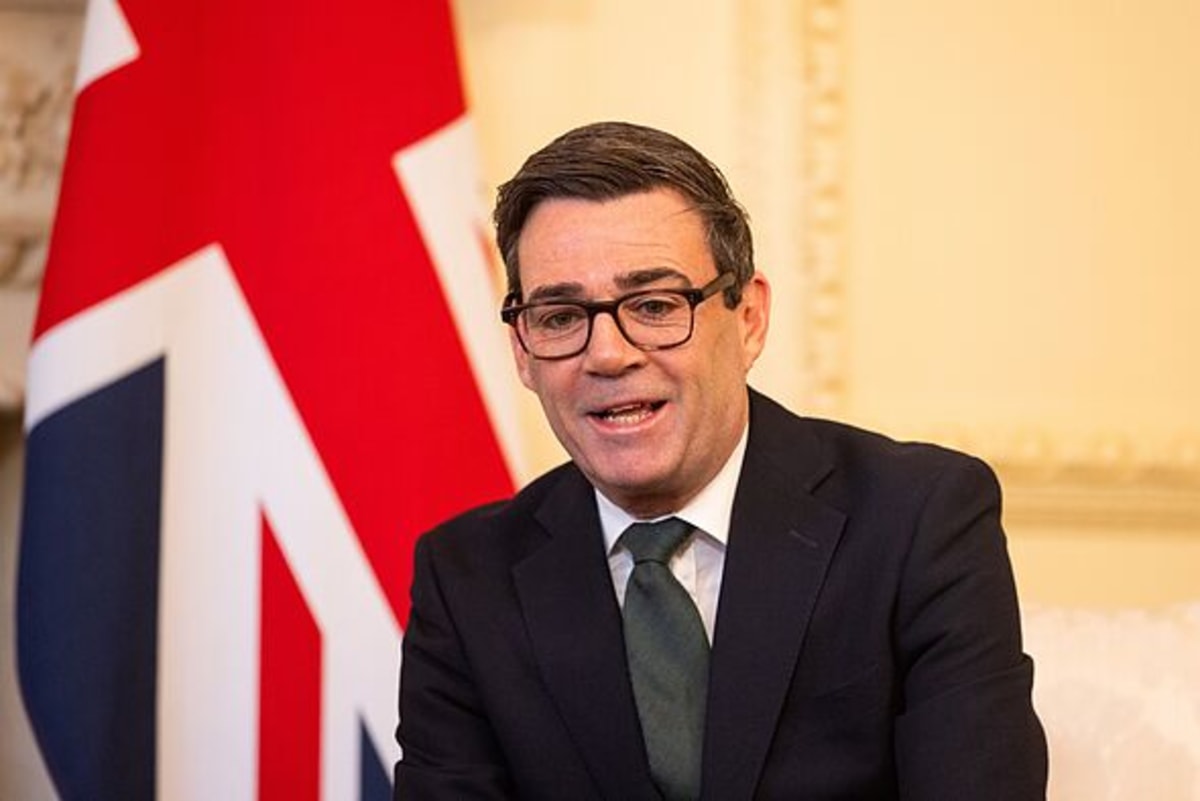
Catherine Fookes said approving Rosebank would blow a hole in the party’s green credentials and that a group of MPs had made it clear to leadership that the decision rested with Miatta Fahnbulleh, adding that she hoped they would listen.
The Path to Approval
Energy Secretary Miatta Fahnbulleh could potentially approve the scheme without technically violating the 2024 manifesto pledge not to grant new licenses for North Sea oil or gasfields. This is because the schemes were already granted licenses that were subsequently affected by legal challenges.
The government’s stance remains a point of contention following the recent approval of the Jackdaw gasfield. During a Westminster Hall debate, it was noted that Jackdaw and Rosebank are viewed as very different projects by those within the party.
Worth a look

17-Year-Old With Bipolar Disorder Found Safe After Escaping Resurrection ER in Chicago
A 17-year-old boy with bipolar disorder was found safe after escaping from a Chicago hospital emergency room on...

Shapiro Calls Netanyahu ‘Failed Leader’ Over Gaza War, Criticizes Biden, Trump on Weapon Use
Pennsylvania Gov. Josh Shapiro called Israeli Prime Minister Benjamin Netanyahu a "failed leader" who has led Israel down...

Madison County Board Tables Liquor Bottle Ban Over Small Business Fairness Concerns
The Madison County Board voted 16-10 on Wednesday to table an ordinance that would have prohibited the retail...

Missouri Agencies Seek $16.5B, $3B Above Projected Revenue, Missouri Independent Reports
Missouri agencies are requesting $16.5 billion in general revenue for the next fiscal year — nearly $3 billion...