
Lahontan Gold Corp. announced Monday that final drill results from its Santa Fe Mine Heap Leach Pad Two confirm residual gold and silver grades exceeding historic projections, a development that could lower early production costs as the company pushes toward a 2027 restart in Mineral County, Nevada.
The Toronto-based developer said 16 new sonic core holes, combined with ten released in September, returned a weighted average of 0.34 grams per tonne gold and 2.4 g/t silver across 435.5 metres of drilling. That gold grade sits 17 percent above the 0.29 g/t predicted from Corona Gold’s 1980s and 1990s production records, which showed 3.76 million tonnes of run-of-mine material grading 0.55 g/t gold placed on the pad with only 47 percent recovery.
“The final results from sonic core drilling at HLP Two are very encouraging, confirming that the residual gold grade is higher than anticipated based on historic production records,” Kimberly Ann, founder, chair, chief executive and president of Lahontan, said in the release. “The weighted average gold grade of 0.34 g/t is approximately 17% higher than the historically predicted residual grade of 0.29 g/t.”
Cyanide-soluble gold analyses ranged from 5 percent to 82 percent of fire-assay values, averaging roughly 40 percent, suggesting a portion of the residual metal is amenable to conventional leaching. Because the original ore was never crushed, Lahontan said further metallurgical work will test whether crushing the historic material improves recoveries.
Reprocessing old heap leach pads carries a distinct cost advantage: it eliminates stripping, blasting, loading and hauling fresh ore. In the October preliminary economic assessment, Lahontan modeled an 11-year mine life averaging 91,900 gold-equivalent ounces annually, with a post-tax NPV5 of US$820 million and a 40.1 percent IRR at US$3,600/oz gold and US$49/oz silver.
Adding defined heap-leach resources into the early mine schedule could reduce the projected cash cost of US$1,909/oz and all-in sustaining cost of US$2,250/oz during the ramp-up years.
The company cautioned that grade variability is inherent in heap leach drilling because no geologic controls govern metal distribution in man-made pads. A NI 43-101-compliant resource estimate for all four historic pads at Santa Fe is the next step, followed by metallurgical testing and economic evaluation before any material enters the mine plan.

Lahontan’s 2026 objectives include advancing permits to start construction in 2027, completing a maiden resource at the satellite West Santa Fe project early next year, and continuing exploration drilling to expand known mineralization. The Santa Fe project hosts an indicated resource of 1.195 million gold-equivalent ounces and an inferred resource of 1.19 million ounces, both pit-constrained, according to the October technical report.
The TSX Venture Exchange has not reviewed the adequacy or accuracy of the release. Forward-looking statements are subject to risks including regulatory approvals and metallurgical uncertainties.
Keep reading

Construction Employment up 1.5% Year Over Year in October, BLS Says
Construction employment rose 1.5% year over year to approximately 8.37 million workers in October, up 124,000 jobs, according...
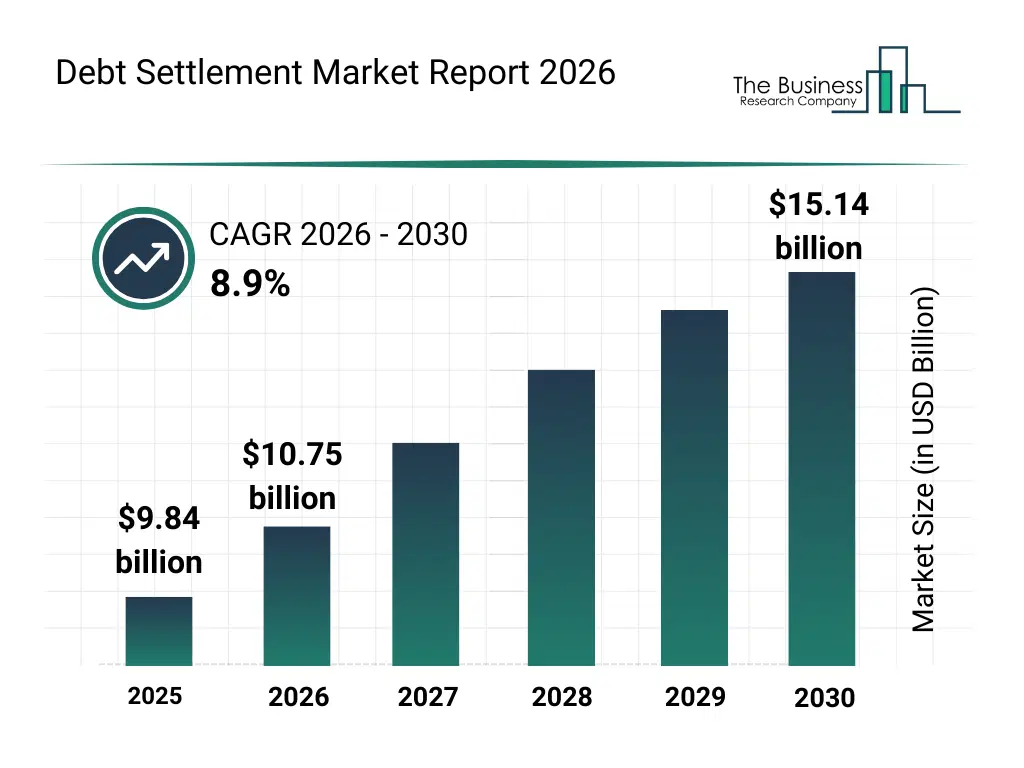
FederalLawyers.com Ranks Wyoming Business Debt Settlement Firms for 2026
Wyoming business owners staring down a mountain of merchant cash advance payments and vendor bills have a new...

How to Make Cheddar Cheese: 10 Steps from Wisconsin Family Creamery
Gardners Wisconsin Cheese and Sausage stacks cheddar slabs two or three high and flips them every 10 to...

CAA Sends Charleston, No. 23 UNCW to NCAA Men’s Soccer Tournament
Charleston and No. 23 UNCW will both open the NCAA Men's Soccer Championship on Thursday, giving the Colonial...