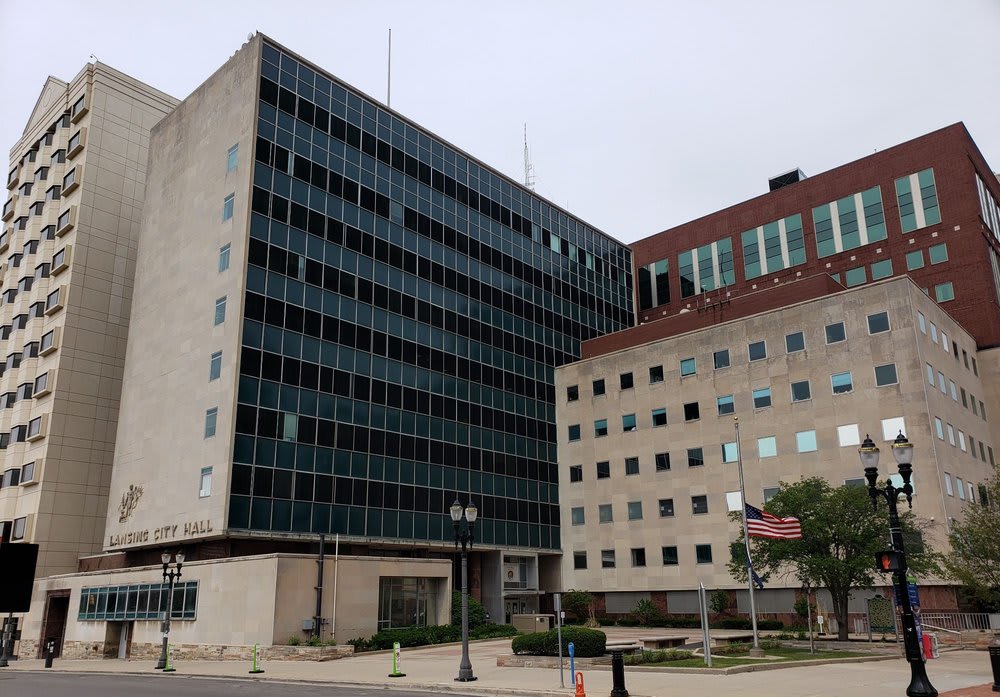
Lansing’s downtown skyline and public spaces trace a century of architectural ambition, from a 1929 Art Deco tower to a mass-timber university building.
Boji Tower still anchors the skyline at 23 stories and 297 feet, its brick-and-limestone facade capped by a spire and beacon. Three blocks west, the Michigan Avenue Bridge carries traffic over the Grand River on a concrete span completed in 1895, replacing the original 1848 wooden structure. Frandor Shopping Center opened in 1954 on a former golf course, its open-air layout weaving specialty shops through preserved greenery. Lansing City Hall followed, designed by Lee and Kenneth Black, with construction from 1956 to 1958 and dedication in 1959. The International Style building replaced an 1897 Richardsonian Romanesque structure and is cited as one of the Midwest’s strongest examples of the style. Two 19th-century landmarks remain active. The Michigan State Capitol, completed in 1879 to designs by Elijah E. Myers, holds Victorian decorative arts the report describes as among the finest in the country.
The Turner-Dodge House, built in 1858 in Classical Revival style, is listed on the National Register of Historic Places. The Michigan Library and Historical Center, completed in 1997 by William Kessler and Associates, centers on a courtyard with a white pine and fountain sculpture. The Lansing Art Gallery & Education Center emphasizes inclusive exhibition space.
At Michigan State University, the Eli and Edythe Broad Art Museum by Zaha Hadid and the new STEM Teaching and Learning Facility — Michigan’s first mass-timber structure — extend the campus’s stylistic range. Hawk Island Park rounds out the picture with 1.5 miles of paved pathways, fishing docks and a community-built playground, all designed for year-round public use.
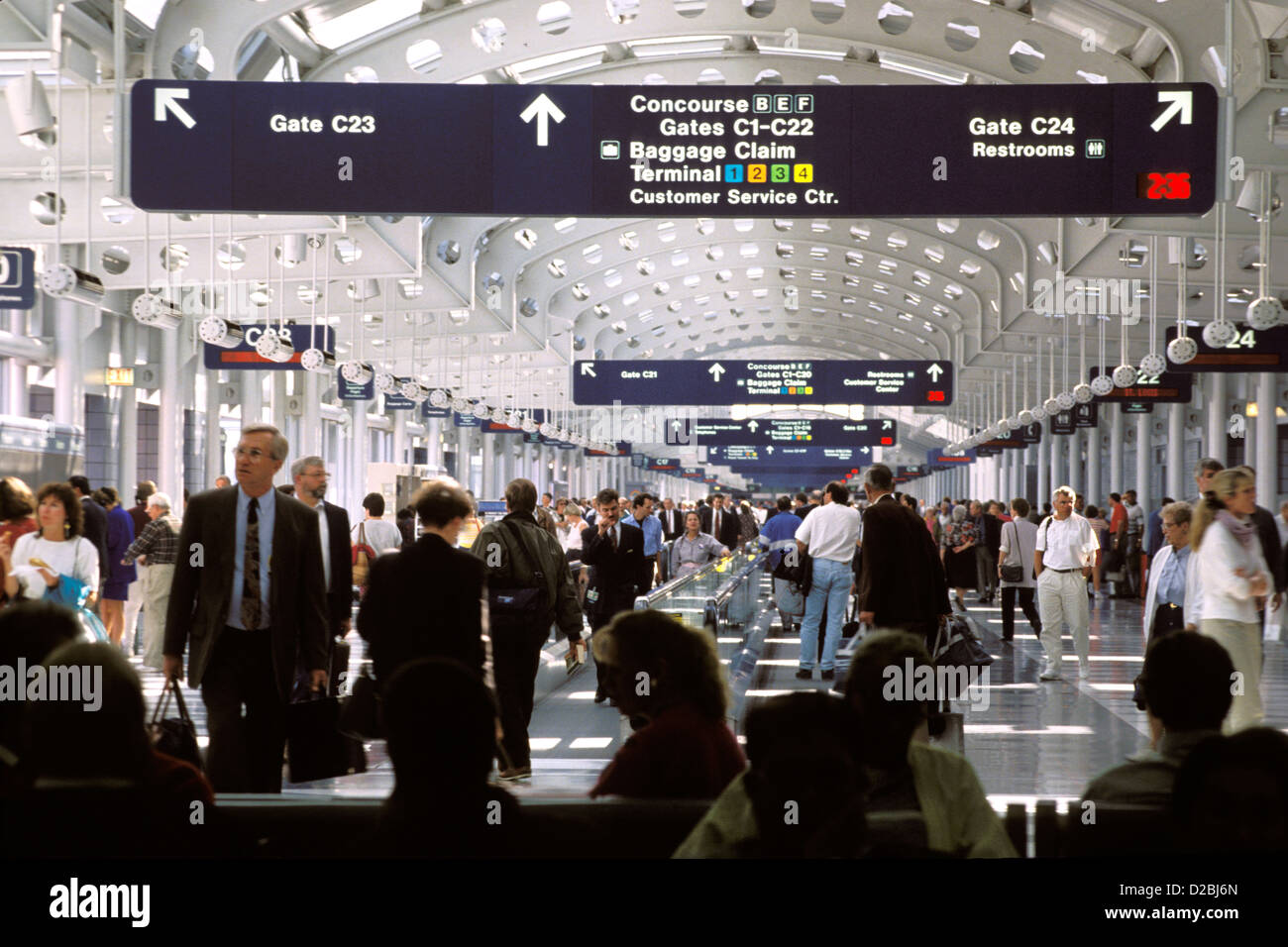
United Airlines SLC Guide: Concourse B Gates, Main Terminal Check-In, CDG Terminal 1 Details
A Quizlet study guide identifies United Airlines operations at SLC Concourse B and a phone number, +1-844-791-0036, as...

Arkansas Upset Path vs LSU: Force Low-Scoring Game, Wait for Tigers’ Mistakes
Arkansas enters its regular-season finale against LSU as a double-digit underdog for the final time in 2026, facing...
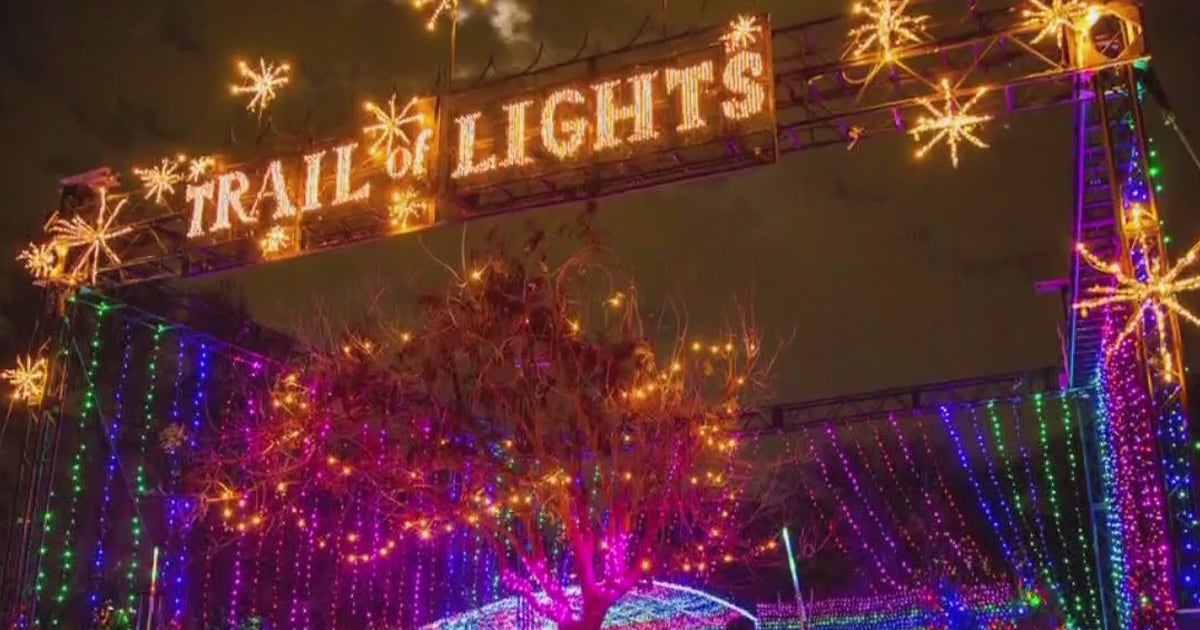
Two Major Austin Holiday Events Close Downtown, Zilker Park Streets
AUSTIN, Texas — Road closures will begin on Dec. 5 for two major holiday events in Austin: the...
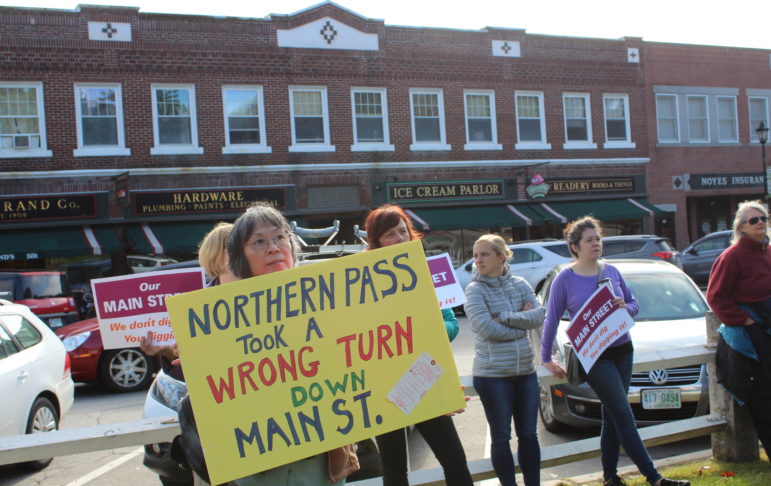
New Hampshire Regulators Vote 7-0 to Deny Northern Pass Transmission Project
The Site Evaluation Committee was holding 12 deliberative sessions ending Feb. 23 before ruling on the $1.6 billion...