
A federal appeals court will hear arguments in late January over whether Norfolk’s citywide network of automated license-plate readers violates the Fourth Amendment. The case exposes a period of scant oversight in which officers logged vague or sarcastic justifications for searches, and one former officer used the system to look for his stolen pet.
What the lawsuit reveals about Flock use
The Institute for Justice, representing plaintiffs Lee Schmidt of Norfolk and Crystal Arrington of Portsmouth, filed appeal documents detailing more than 230,000 searches of the Flock database between 2023 and mid-2025. The top three reasons officers entered — “cj,” “stolen” and “inv” — accounted for nearly 75,000 of those queries, Daily Press reported. One officer repeatedly wrote “protestor identification” as a justification; another entered “la” again and again.
How the department responded
Norfolk Police Chief Mark Talbot and City Manager Pat Roberts said the city tightened oversight after a 2025 state law took effect. That law limits data retention to 21 days, makes misuse a Class 1 misdemeanor, mandates audit logs and bars sharing data with out-of-state agencies without a warrant, subpoena or court order.
Talbot said only supervisors may now query the Flock system, and any officer who misuses data is fired after the first offense — a policy adopted in October.
Officers lacked audits before new law
In a sworn deposition, Capt. Charles Thomas, who oversees the real-time crime center, said he was not aware of any audits of the Flock system performed before May 2025.
Talbot disputes that, saying police were auditing logs as part of routine practice before the law was enacted. “I've seen many searches that don't have case numbers or have obviously fake case numbers that don't comply with Virginia law,” Institute for Justice attorney Michael Soyfer said.
“You’re always going to have those people, the really small percentage of people, that make the rest of us really angry as we try to do our jobs the best we can,” said Mark Talbot, Norfolk police chief. “Fortunately, we’ve learned from them, and we have a more robust process of ensuring they’re not doing those types of things.”
Cameras log detailed vehicle data
Norfolk operates 176 Flock cameras that capture every passing vehicle, logging license-plate number, make, body type, color and distinguishing features such as bike racks, dents and bumper stickers. Police say the technology helps solve crimes faster and acts as a force multiplier for a department that has 502 sworn officers — well below the 757 budgeted for in 2023.
Talbot said the department believes Flock has a measurable impact on solving cases but was unable to cite statistics on how often the data leads to a solved crime.

What the city says about data sharing
Talbot stated the department does not provide Flock data to external task-force participants, including Immigration and Customs Enforcement officials. Data was shared with out-of-state sources before the 2025 law, but only under a warrant or subpoena and never continuously. The department shares camera data with Virginia Beach police and a few other agencies under sharing agreements; a police spokesperson said a FOIA request would be needed to identify the other agencies.
What experts and advocates recommend
Daniel Graham, associate professor of data science at the University of Virginia, recommended adopting National Institute of Standards and Technology security controls, restricting user access to what policy requires, systematic reviews to spot misuse, separate logins for each user and multifactor authentication.
He also urged that audits of cybersecurity practices be handled by an outside agency. The department said Flock logins already require multifactor authentication and individualized credentials, and that internal audits are conducted by supervisors in the real-time crime center and designated personnel.

But Alex O’Loughlin, representative of the Deflock Norfolk Coalition, said that doesn’t address broader worries about the company’s handling of data or how residents were excluded from the initial decision to contract with Flock. “We think if anything, this confirms how far behind oversight still is relative to the capability of the tool,” Deflock Norfolk Coalition representative Alex O'Loughlin said.
What happens next
The 4th Circuit Court of Appeals in Richmond is expected to hear the case in late January. Virginia lawmakers are also expected to debate license-plate readers in the General Assembly next session, and the Virginia State Crime Commission is considering fines of $5,000 per infraction for departments whose officers violate the 2025 law, along with a requirement for outside audits of ALPR use.
Worth a look
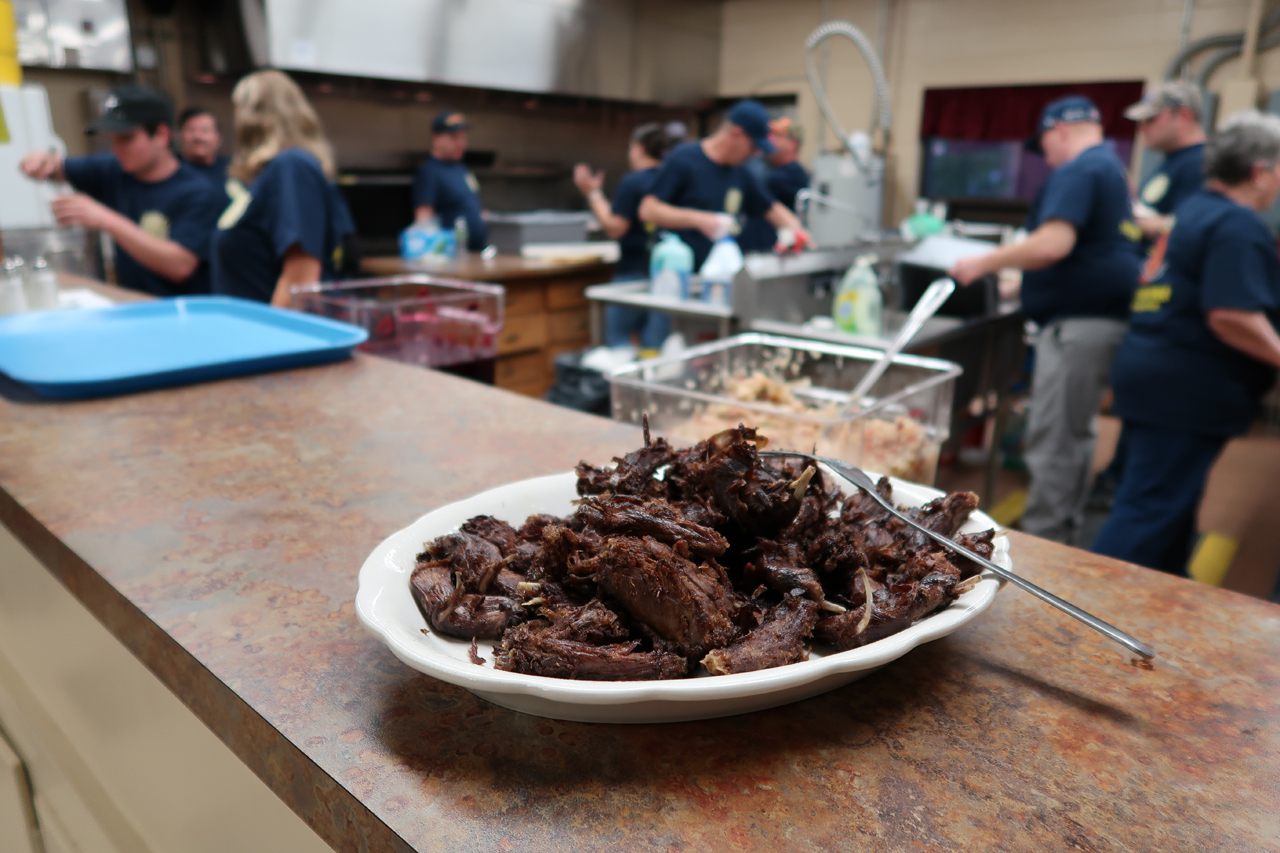
Salem Eagles Serve 50th Fried Muskrat Dinner to 100 on Jan. 30
The Salem Fraternal Order of Eagles will serve fried muskrat to exactly 100 ticket holders on Jan. 30,...
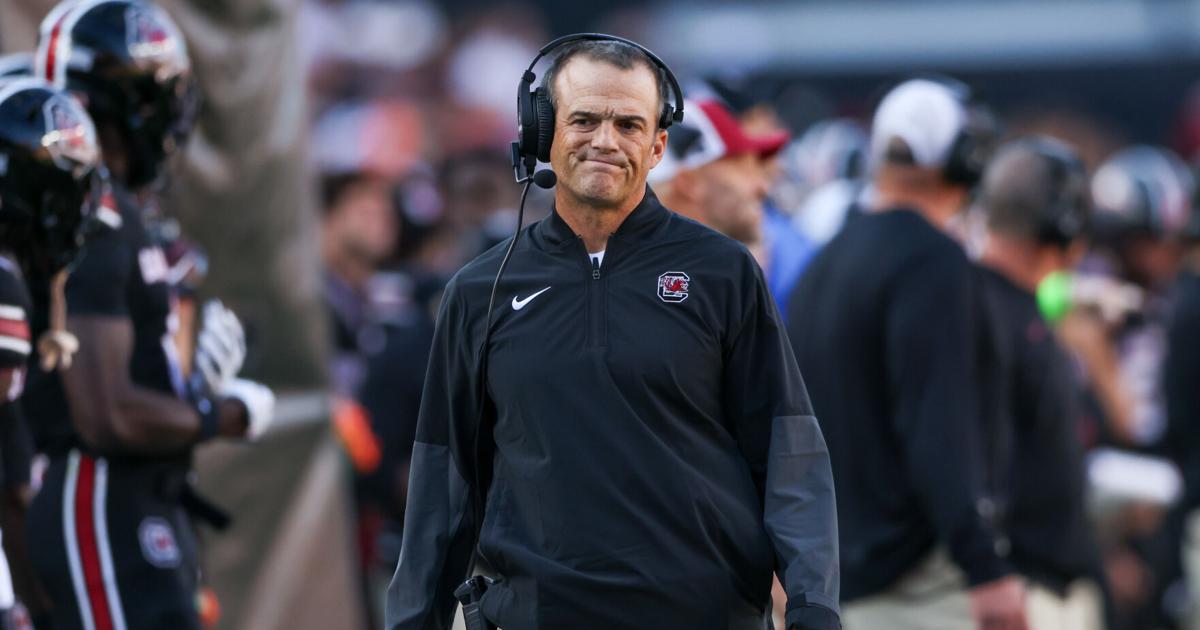
South Carolina Loses to No. 1 Georgia 34-6; Beamer Calls Second Half ‘Unacceptable’
South Carolina lost to No. 1 Georgia 34-6 at Williams-Brice Stadium on Saturday, dropping the Gamecocks to 6-5...

Devin Whitlock Sparks Eastern Illinois to Overtime Win Over Charleston Southern
Eastern Illinois beat Charleston Southern 20-17 in overtime on Saturday at O’Brien Field, securing the Panthers’ first home...

Lakers’ Austin Reaves (Heel Bruise) to Miss Suns Game; Return Eyed for Jazz or Spurs
Los Angeles Lakers guard Austin Reaves will miss Sunday's game against the Phoenix Suns with a left heel...