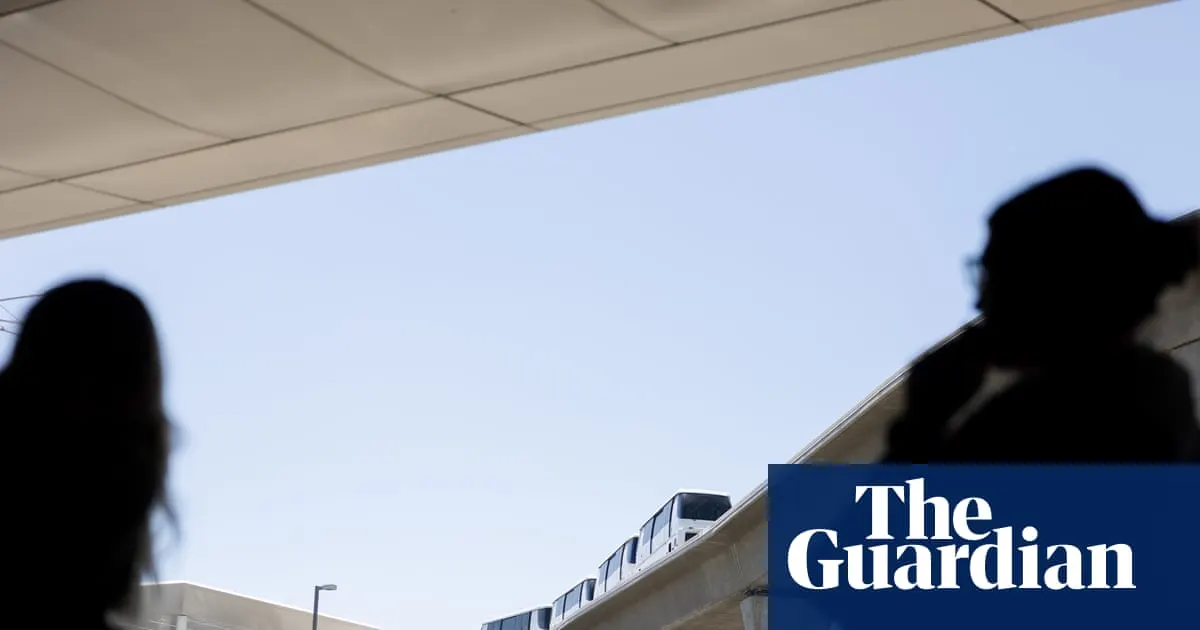
The SkyLink people mover was supposed to open in 2023 and whisk travelers out of LAX’s notorious horseshoe gridlock; instead it is $1 billion over budget and still carries no passengers.
The automated train covers less than 2.5 miles (4 km) linking terminals, a ride‑share zone, a new transit center and a car‑rental hub. Officials say the system is 99 percent complete, yet the required 30‑day uninterrupted testing window has stretched beyond 200 days, the Guardian reported. An estimated opening has been pushed back multiple times and is now slated for March 2027.
The project began with a $1.9 billion price tag under a public‑private partnership with Linxs, a consortium formed specifically for SkyLink. Disputes over design codes and hundreds of change orders led to a settlement granting Linxs an additional $550 million, the Guardian reported. Total costs have since ballooned to nearly $3 billion.
A Los Angeles County civil grand jury concluded last year that Linxs "leveraged the intricacies" of the contract, flooding city departments with change orders and then delaying work because staff could not respond within contractual timeframes.
“The slowdown tactic of Linxs is not nefarious. It’s good business from the contractor’s point of view to force Lawa to agree to claims, which from Lawa’s perspective are not justified,” the grand jury wrote.
In July, Linxs sued the city, citing faulty electrical equipment that it said delayed key testing by more than 140 days and alleging LA World Airports (Lawa) failed to finalize a solar power agreement with the Department of Water and Power.
Lawa called those assertions "false legal assertions that Linxs has made to distract from their failure to meet their contractual obligations." The airport authority said the primary delay factor is Linxs’ inability to complete required system demonstration testing.
Eli Lipmen, executive director of Move LA, called the project "a boondoggle" and "an embarrassment," adding, "I am very concerned at this moment that we will have a $3bn distressed asset on our hands." He blamed "a lack of good governance and poor oversight" by the airport commissioners.
Juan Matute, deputy director of the Institute of Transportation Studies at UCLA, said he intends to study the project to understand how the public‑private partnership derailed. "It seems pretty obvious to anybody who cares about public sector finance that mistakes were made," Matute said.
The saga became a flashpoint in this year’s mayoral race. Nithya Raman, who defeated Bass, held up SkyLink as a symbol of dysfunction at City Hall. “Angelenos don’t need another explanation of why it’s complicated or why it’s not her fault — they need a mayor who can manage something complicated,” Raman said.
Bass’s office pointed to Linxs as the “main reason” for the delay, saying the mayor “has not stopped in ensuring Angelenos will have access to a people mover that is safe and reliable.”
Under the settlement terms, Linxs must deliver a passenger‑ready system or risk further disarray. Lawa said no opening date can be confirmed until Linxs completes final testing. "Any dates released by other parties are not confirmed dates but simply estimates," the agency stated.
Linxs representatives said the consortium “remains committed to working with Lawa to successfully deliver the automated people mover and provide a world-class transportation system for the Los Angeles region.”
Worth a look

Firefighter Suffers Cardiac Arrest Battling 3-Alarm House Fire in Mansfield Township
A Mansfield Township firefighter collapsed and went into cardiac arrest while battling a three-alarm house fire late Monday...

Manchester City Host Napoli in Champions League; TV and Streaming Providers Listed
Manchester City host Napoli at the Etihad Stadium on Tuesday, 24 November, with kick-off at 20:00 UK time....

Review: The Great Departure Exposes Abuse, Oppression in Varanasi Drama
Pierre Filmon's The Great Departure presents a Varanasi-set drama that strips away romantic convention to expose domestic abuse...
Berkeley Voters Approve Measure AA to Double Soda Tax
Berkeley voters approved Measure AA in the November midterm election, doubling the city's tax on sugar-sweetened beverages from...