
A long-time Michigan State University donor has filed a notice of intent against the university’s Board of Trustees and several athletic fundraising arms, alleging a breach of contract regarding season-ticket benefits.
Brian D. Posey and TM Leasing are the primary claimants in the filing, which was submitted on Sept. 24, according to documents obtained by The State News. The dispute centers on allegations that the university failed to honor specific season-ticket accounts and benefits that were purportedly guaranteed in exchange for significant financial contributions to various Spartan athletic programs.
The legal action targets a wide array of university entities, including the Department of Intercollegiate Athletics, the Spartan Ticket Office, University Advancement, and the Spartan Fund. It also names Spartan Ventures, a non-profit entity, as well as Associate Athletic Director Bryan Hoch and Senior Vice President of Ticketing for Spartan Ventures Matt Herold.
For nearly three decades, Posey and The Ticket Machine have been among the university’s most substantial donors and season-ticket customers. According to the notice of intent, the claimants have purchased approximately $7 million in tickets and contributed roughly $1.5 million in donations to support programs ranging from football and basketball to hockey, volleyball, golf, and the marching band.
Posey and TM Leasing Revoke Financial Pledges
The conflict appears to stem from a series of written financial commitments made between 2023 and 2024. Documents cited by The State News show that on July 1, 2023, Posey submitted a written pledge to donate $250,000 to the Men’s Golf Excellence Fund, structured in $50,000 installments through 2027.
A second agreement followed on Feb. 1, 2024, when TM Leasing executed a $50,000 pledge for the Hockey Excellence Fund. This second commitment was intended to qualify the claimant for four Munn Ice Arena Club season tickets, including parking, and four upper-level, mid-court men’s basketball season tickets with parking. The arrangement also allegedly included provisions for eight additional accounts and a sixth year of retention.
The claimants state that these terms were officially confirmed on May 31, 2024, by Associate Athletic Directors Bryan Hoch and Paul Schager, along with former Athletic Director Alan Haller. However, the relationship soured in early 2026.
In January 2026, an unnamed university representative reportedly called Posey to inform him that the university intended to revoke his season-ticket accounts. This intention was confirmed during a meeting on Feb. 3, after which the university began revoking the accounts on a sport-by-sport basis. The filing alleges that each revocation constitutes a “separate and successive breach” of the agreement.
The tension escalated further in the summer of 2026. While the university sent a pledge-status statement on July 1 highlighting a $100,000 remaining balance and demanding an additional $50,000, the claimant alleges the university also targeted his business interests.
The notice of intent claims that in July, Herold sent an “unsolicited” email regarding Posey’s involvement with the athletic department and the tickets listed on his website. By August, the Spartan Ticket Office informed Posey he would not be allowed to renew women’s basketball season tickets for the 2026-2027 season, citing a revised ticketing policy and a history of reselling.
The financial stakes of the dispute are detailed in the following breakdown of the claimants’ contributions and the requested relief:
| Category | Details |
|---|---|
| Total Ticket Purchases | Approximately $7 million |
| Total Donations | Approximately $1.5 million |
| Recent Pledges Paid | No less than $170,000 since July 1, 2023 |
| Requested Relief | Restitution of amounts paid, relief from remaining pledge balances, and lost business value |
Mavacy PLLC Handles Notice of Intent
The notice of intent is being handled by Mavacy PLLC, the same firm representing Trustee Rema Vassar in her ongoing lawsuit against several university officials, including President Kevin Guskiewicz. The involvement of the same legal counsel suggests a period of heightened litigation and friction between certain university stakeholders and the administration.
The claimants are seeking several forms of damages, including the restitution of funds already paid to the university and relief from the remaining pledge balances that the university continues to invoice. Additionally, the filing seeks compensation for “lost profits and lost business value to The Ticket Machine” resulting from the loss of between 32 and 42 season-ticket accounts.
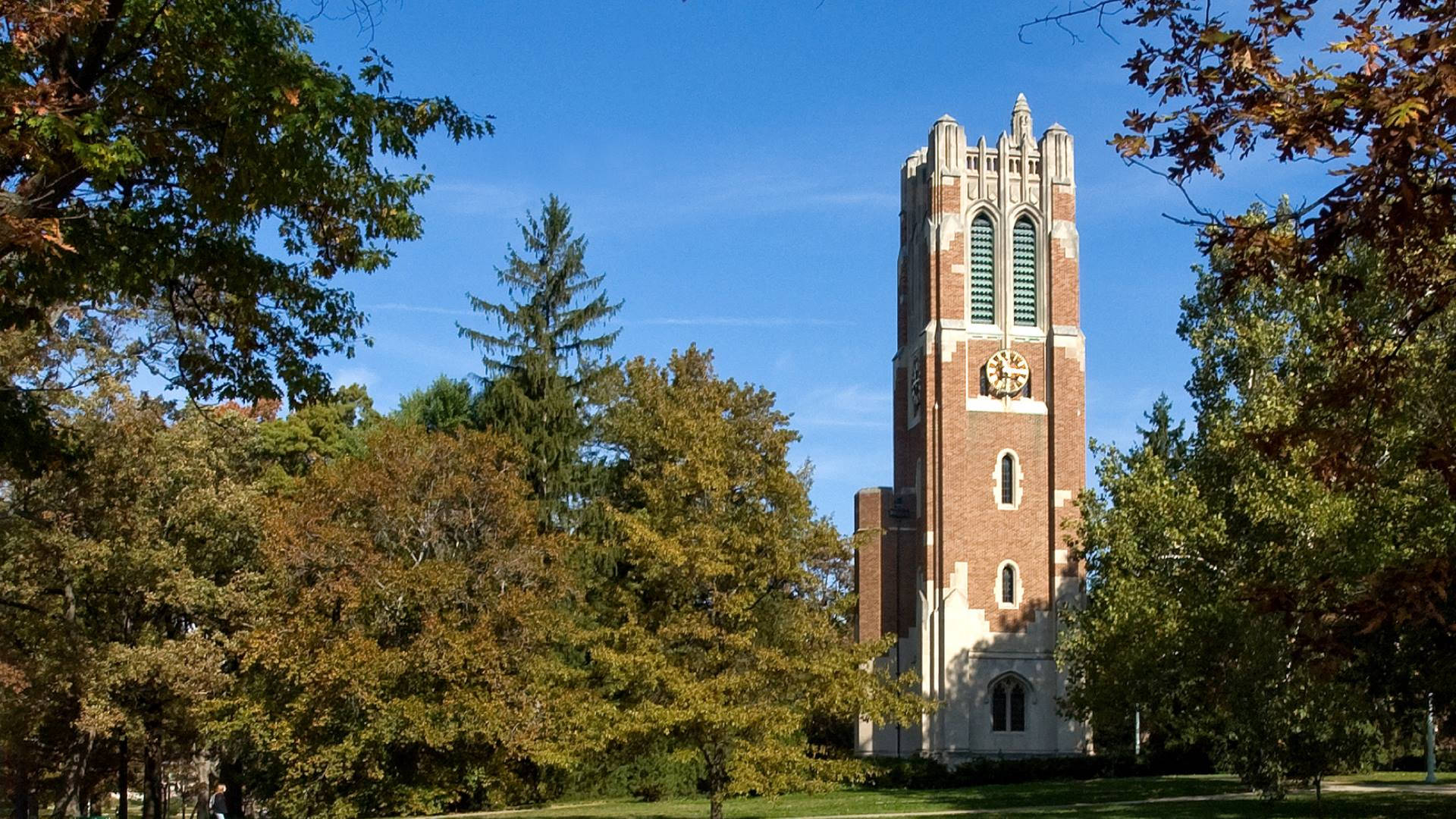
When asked for a response regarding the notice of intent, University Spokesperson Emily Guerrant declined to comment, The State News reported.
The dispute raises fundamental questions about the nature of donor agreements in collegiate athletics. As universities increasingly rely on high-net-worth individuals to fund excellence funds and infrastructure, the enforceability of “perk-based” donations becomes a critical point of tension. If a donor’s status changes or a university’s policy is revised, the line between a voluntary gift and a contractual obligation can become dangerously thin.
Whether these alleged breaches will lead to a formal trial or a negotiated settlement remains unclear, as the university has not yet addressed the specific claims regarding the revocation of the accounts or the demands for restitution.
Keep reading
Sonya Jaramillo Dies, According to French Funerals & Cremations
Sonya Jaramillo passes away at age 42 Sonya Jaramillo died on Saturday leaving behind a family and a...
Rosalía and Milo J Lead Major Wins at 27th Annual Latin Grammy Awards
Rosalía and Milo J dominated the 27th Annual Latin GRAMMY Awards in Las Vegas on Thursday. The ceremony...

Daiyan Henley Remains With Chargers After Broncos Trade Collapses
The Denver Broncos' attempt to trade for Los Angeles Chargers linebacker Daiyan Henley fell through late last night,...
Early Morning Gunfire Reported in DeKalb County | FOX 5 Atlanta
Early morning gunfire in DeKalb County has left residents on edge as local authorities begin their investigation into...