
Nearly 9,700 New Mexico students attended full-time distance learning programs in the 2025-2026 school year while state rules lagged behind the sector’s growth, a legislative report presented Nov. 19 found.
The Legislative Education Study Committee report, commissioned under a law passed earlier this year, concluded that “the state’s regulatory framework has failed to keep pace with the rapidly evolving programmatic landscape of distance learning,” Source New Mexico reported. The review identified class sizes exceeding statutory limits, inconsistent calculations of instructional hours, and gaps in financial and program oversight.
Third-party contracts draw scrutiny
The report examined contracts between two districts — Chama Valley Independent Schools and Santa Rosa Consolidated Schools — and Stride Inc., the Virginia-based for-profit operator of the K12 online school program. Under those agreements, the districts paid Stride 95% of funds received through the State Equalization Guarantee and federal Individuals with Disabilities Education Act dollars, Source New Mexico reported.
Federal rules require IDEA funds to be used for special education and assistive technology. The committee contended both districts may have “relinquished control of their IDEA funding to Stride without specific guardrails or requirements” to ensure compliance, according to Source New Mexico.
Chama Valley also paid $1.6 million for a fraudulent invoice sent from a fake email address impersonating a Stride K-12 representative and was unable to recover the money, the report noted. LESC staff added the district could not produce data on the number of teachers employed in the program, their licensure, or residency.

Lawmakers signal action in January
Senate Education Committee Chair William “Bill” Soules told Source New Mexico that fixing the regulatory framework will be “one of the highest priorities” when the session opens Jan. 19. The report recommends authorizing the Public Education Department to approve and revoke distance learning programs, removing those programs from the public education funding formula, and banning class-size waivers for full-time virtual programs and charter schools.
“It’s about getting control so that distance learning is really a part of the New Mexico education system,” Soules said, “not handing over all of education to some company where we have no input, control or accountability oversight.”
House Education Committee Chair Andrés Romero (D-Albuquerque) echoed that focus. “We’re going to be looking at what the quality of education is for these online programs,” he told Source New Mexico. “And whether we should have for-profit companies running these online schools at all in the state.”
Districts and contractor push back
Stride Vice President of Student Services Katrina Mohamed told Source New Mexico she was “shocked” by the report. She said all classrooms at DCA meet mandated ratios with state-certified teachers, though they might not live in New Mexico, and that federal IDEA funding is used appropriately. “We welcome accountability. We welcome transparency,” Mohamed said, adding that the report itself noted Santa Rosa hired an individual to provide program oversight.
Santa Rosa Consolidated Schools administrator Cadie Carrillo said in an emailed statement to Source New Mexico that the district “will provide an in-depth response to the LESC’s report” and remains “committed to responding to areas requiring clarification and working collaboratively with PED and other state leaders to ensure ongoing compliance and accountability.”
Chama Valley administrative assistant Shauna Jones-Martinez told Source New Mexico the district’s partnership with Stride “operates under multiple layers of oversight, including the district, PED and annual audits, and it complies with state and federal law. We disagree with the report’s suggestion otherwise.”
Prior dispute cost the state millions
Stride is not new to controversy in New Mexico. Last year, Gallup-McKinley County Schools sued the company, accusing it of “intentionally and knowingly” boosting profit margins by cutting teachers and staff, according to Source New Mexico.
The district later retracted the statement and the parties settled in February, but not before a $35 million education budget shortfall arose because the district continued receiving funds for students who had left after the contract ended. Gov. Michelle Lujan Grisham signed Senate Bill 19 in January, giving officials time to determine whether the district was overpaid and to develop a recoupment plan.
Stride Inc. operates as a for-profit education management organization across twenty-nine states and the District of Columbia, managing state-funded virtual charter schools that enrolled 44,559 students as of 2015.
The company contracts with districts to provide full-time online programs, typically receiving the vast majority of per-pupil funding — in New Mexico, Chama Valley and Santa Rosa paid Stride 95% of State Equalization Guarantee and federal IDEA dollars — while legislative reviewers found that districts may have “relinquished control of their IDEA funding to Stride without specific guardrails or requirements” to ensure compliance.
The Legislative Education Study Committee report is available on the New Mexico Legislature’s website.

Iowa Governor Issues Disaster Emergency for Three Counties Before Army Lead Azide Detonation
Iowa Gov. Kim Reynolds issued a disaster emergency proclamation Tuesday for Des Moines, Lee and Van Buren counties...
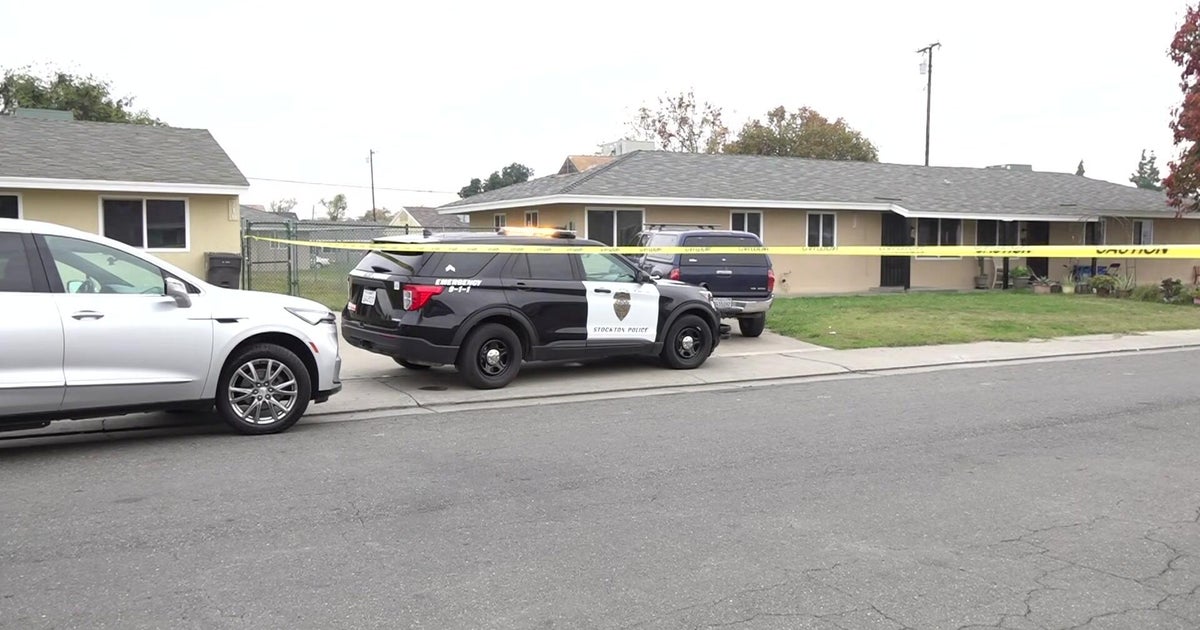
6-Year-Old Girl Dead, 11-Year-Old Boy Injured in Stockton Shooting
A 6-year-old girl died Tuesday after a shooting on Flint Avenue in Stockton, while an 11-year-old boy suffered...

Humboldt-Toiyabe National Forest Leads U.S. With Largest Trail Network Across 6.3 Million Acres
Humboldt-Toiyabe National Forest holds the largest network of multi-use trails, with over 2,000 miles of multi-use paths across...

IndyStar Publishes 2026 Holiday Gift Guide Highlighting Indianapolis Retailers
IndyStar published its 2026 holiday gift guide on Nov. 24, 2026, highlighting local retailers across Indianapolis. Massachusetts Avenue...