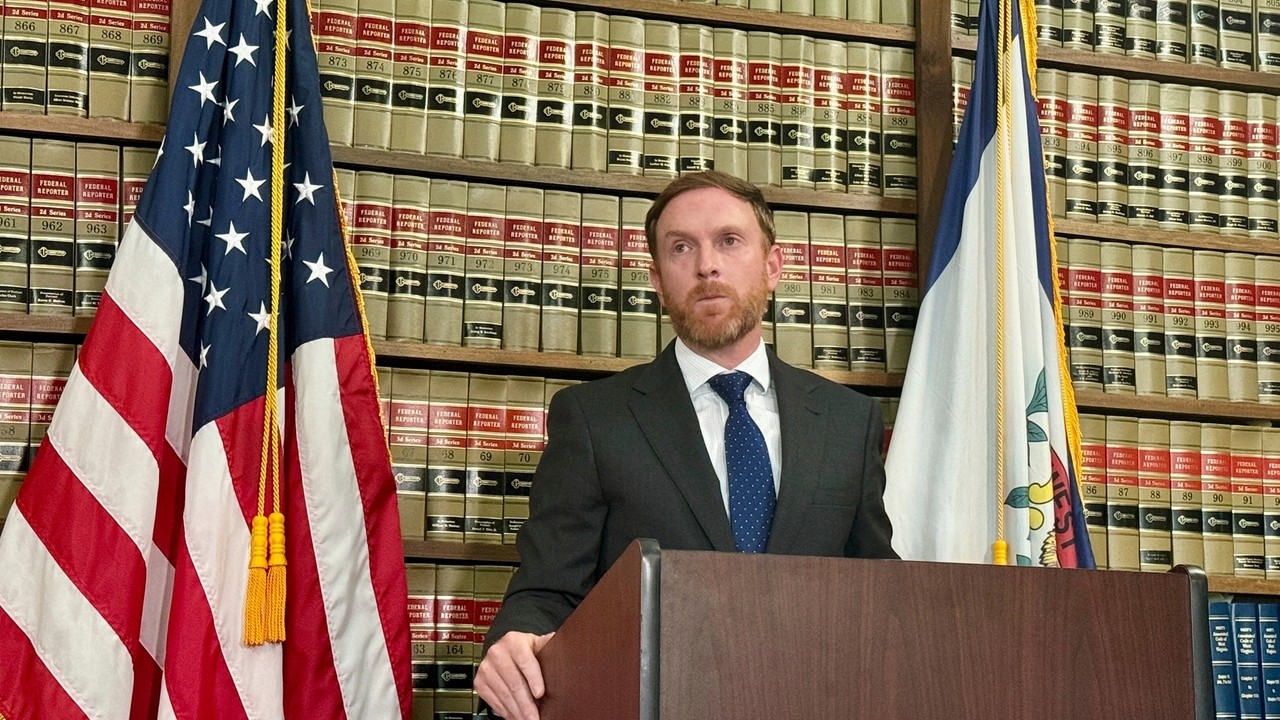
- McCuskey closed the investigation and adopted a written policy saying his office won’t do it again.
- U.S. District Judge Joseph R. Goodwin previously paused the subpoenas, agreeing they probably violated the groups’ First Amendment rights.
- The environmental groups say they won’t agree to drop the case.
- If no agreement is reached by Nov. 25, McCuskey will try to get the case thrown out; the groups say they will ask the judge to decide who is in the wrong.
McCuskey has repeatedly used his office to protect the fossil fuel industry. Both groups advocate for renewable energy. He argues that opposing fossil fuels negatively impacts West Virginia’s economy.
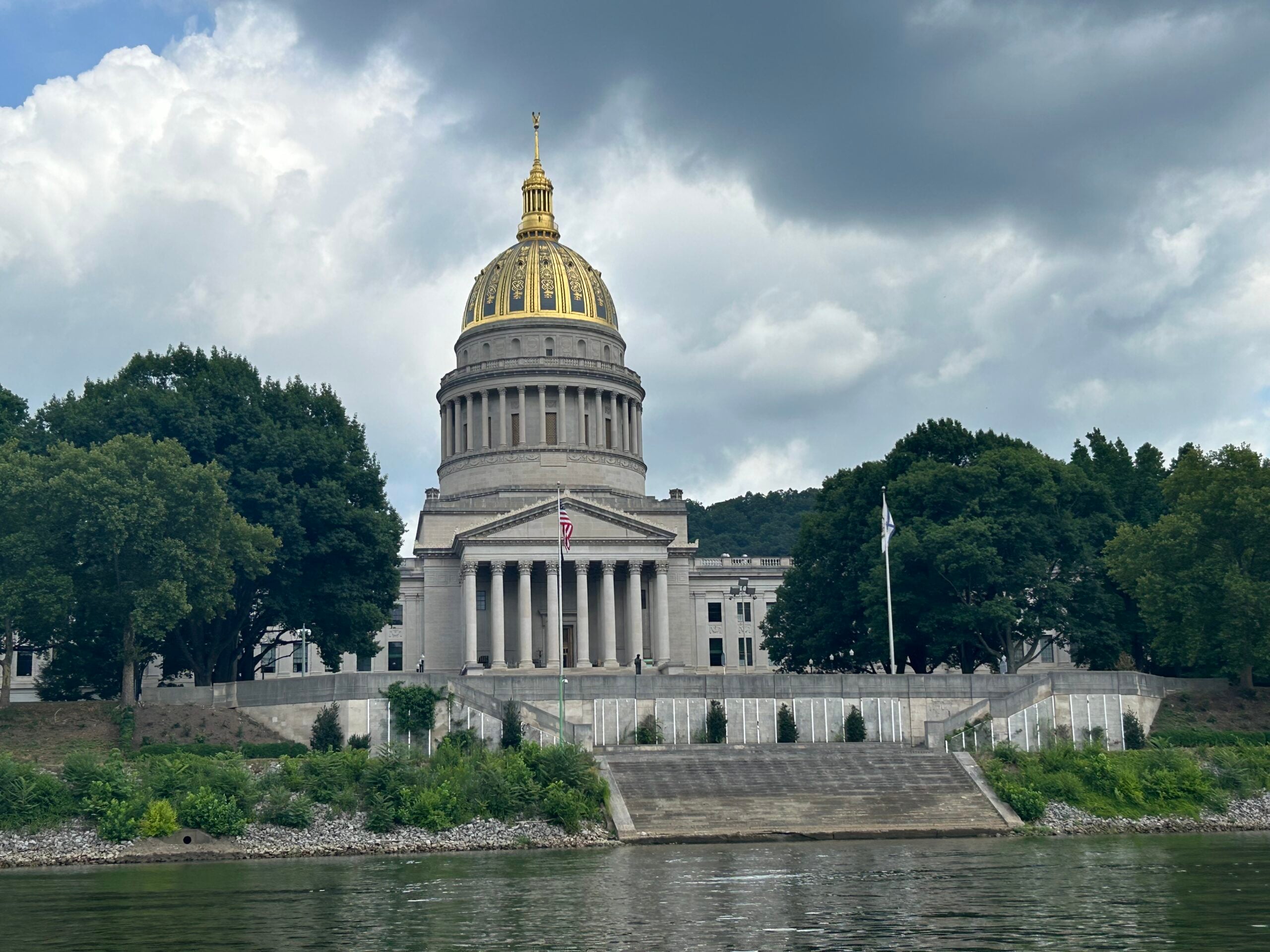
The letter states the subpoenas are withdrawn and the office reserves no right to reissue them in any form, Mountain State Spotlight reports via the AP. McCuskey said the actions reflect a final decision to end the investigations and not pursue the covered subject matter against the protected persons, his office wrote in a joint status report filed in federal court.
“The Organizations have no obligation of any kind under the Subpoenas,” McCuskey wrote in the letter quoted by West Virginia MetroNews. He added that if necessary he will confirm the actions in a sworn declaration to the court.
His office also stated it will continue to vigorously enforce the West Virginia Consumer Credit and Protection Act but not in a way that violates the U.S. Constitution, the AP reports.
West Virginia remains deeply tied to fossil fuel extraction, with railroad expansion in the early 20th century establishing it as one of the nation’s leading coal producers, a legacy that continues to shape its economy.
Attorney General JB McCuskey has repeatedly used his office to protect the fossil fuel industry, arguing that opposing fossil fuels negatively impacts West Virginia’s economy, which is why he subpoenaed two environmental groups advocating for renewable energy.
The environmental organizations indicated that they won’t agree to drop the case after Goodwin said the subpoenas are likely unconstitutional. The court’s temporary restraining order remains active while both sides litigate the dispute over the lawsuit’s continuation.
Keep reading

Iowa Governor Issues Disaster Emergency for Three Counties Before Army Lead Azide Detonation
Iowa Gov. Kim Reynolds issued a disaster emergency proclamation Tuesday for Des Moines, Lee and Van Buren counties...
6-Year-Old Girl Dead, 11-Year-Old Boy Injured in Stockton Shooting
A 6-year-old girl died Tuesday after a shooting on Flint Avenue in Stockton, while an 11-year-old boy suffered...
Humboldt-Toiyabe National Forest Leads U.S. With Largest Trail Network Across 6.3 Million Acres
Humboldt-Toiyabe National Forest holds the largest network of multi-use trails, with over 2,000 miles of multi-use paths across...

IndyStar Publishes 2026 Holiday Gift Guide Highlighting Indianapolis Retailers
IndyStar published its 2026 holiday gift guide on Nov. 24, 2026, highlighting local retailers across Indianapolis. Massachusetts Avenue...