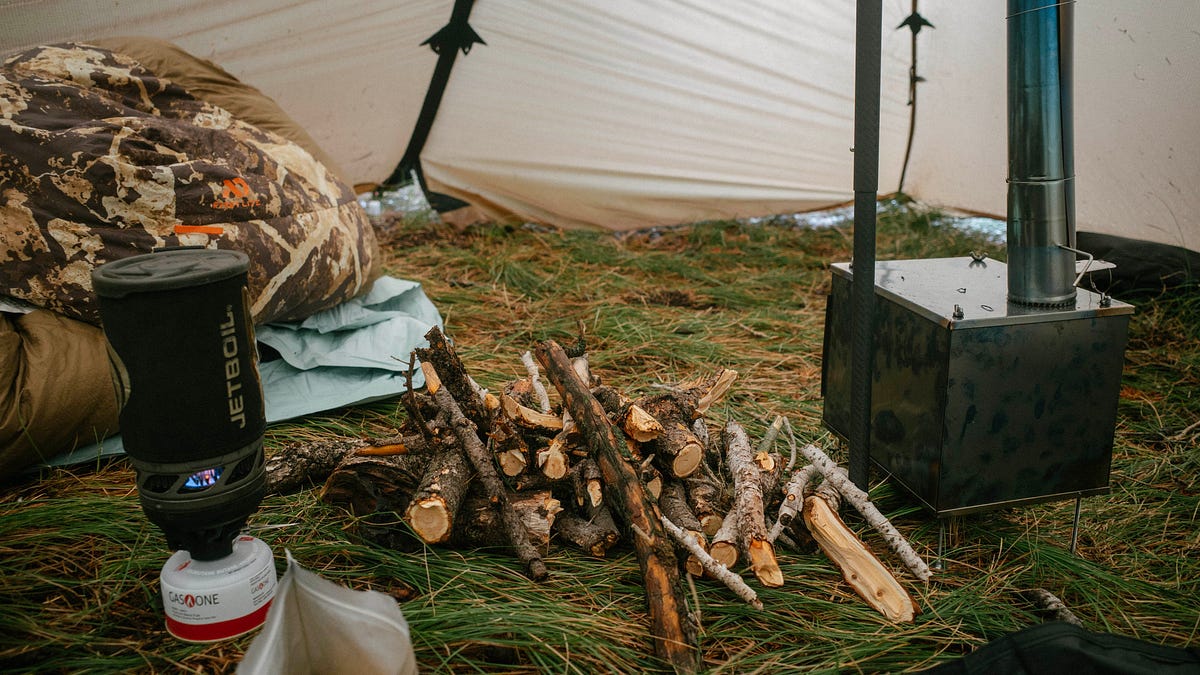
The Reality of the Idaho Mule Deer Hunt
In a recent account published on A Restless Transplant, two hunters detail a challenging late-season mule deer excursion in Central Idaho that highlights the growing disconnect between the idealized version of Western hunting and the reality of public land pressure.
Over the course of a week in November 2026, the authors found themselves navigating high-elevation terrain that yielded plenty of elk but remained hauntingly empty of deer.
The experience serves as a stark counter-narrative to the “sexy” image of mountain hunting often projected by social media and marketing campaigns. While the allure of chasing trophy mule deer in the Rockies remains a major draw for non-resident hunters, the on-the-ground reality often involves competing with motorized traffic and high hunting pressure in units that were once considered remote.
The Search for Solitude in Public Units
The hunt began at 9,000 feet, where the hunters faced freezing temperatures and heavy fog, limiting visibility to a mere hundred yards. Despite their efforts to move between glassing knobs and explore diverse drainages, they reported a complete absence of deer during their first several days.
This outcome stands in contrast to the high-success metrics often promised by commercial outfitters. For instance, Outdoors International notes that in specific remote regions like the Frank Church River of No Return Wilderness, hunters can expect to see 10 to 20 bucks a day during the migration and rut, provided they hit the timing of the weather correctly.
However, for the average DIY hunter utilizing general season tags, the experience is often far more grueling. Bearpaw Outfitters reports that success rates for general season rifle hunts typically range from 40% to 80%, depending heavily on physical conditioning and the specific unit chosen.
The authors of the piece observed that their own attempts to find “honey holes” were frequently disrupted by other hunters utilizing side-by-sides and high-end optics to cover ground, turning what they hoped would be a backcountry retreat into a crowded experience.
Market Pressures on Outdoor Identity
The trip also served as a catalyst for the authors to discuss their project, General Sport Club. They argue that the outdoor industry has become increasingly homogenized, driven by private equity and the pressure for brands to conform to a specific, universally accepted mold.
Their goal with the new project is to shift the focus away from the competitive aspects of hunting—such as targeting only the largest animals—and back toward the intrinsic value of spending time under open skies.

“There won’t be lots of technical camo or pants with lots of zippers. Some of the stuff we make will be utilitarian solutions to hunting problems; other products will be things that can be worn in the woods and every day,” the authors wrote.
The economic stakes here are significant. As hunting remains a major economic engine for rural Idaho, the balance between managing public land access and accommodating the influx of out-of-state hunters remains a point of contention.
While the state offers a range of opportunities from over-the-counter tags to elite, guided wilderness experiences, the authors’ experience underscores a growing sentiment among some hunters that the “backcountry dream” is becoming harder to attain without significant time, investment, or access to private ground.
By the end of the trip, the authors concluded that their pursuit of mule deer in a popular unit had resulted in little more than a “satisfaction similar to going out to eat with a group of people at an overrated restaurant.”
They left the high country with empty freezers and a realization that the most rewarding experiences are often found in the places that remain truly overlooked—a stark reminder that in the modern American West, solitude is perhaps the most difficult trophy to secure.
Worth a look

Taylor Grocery Catering Donates $200,000 to Ole Miss Alumni Center
“This gift came about from our love of Ole Miss and wanting to give back to what has...
Sanford Health Physician Joins AHA Event on Rural Maternal Care
Physician leaders from Sanford Health are convening in Minneapolis to address the specific challenges of delivering maternity care...

Ex-Detective Matthew Farwell Convicted of Murdering Pregnant Woman
A former Massachusetts police detective will serve a mandatory life sentence after being convicted of murdering Sandra Birchmore,...
Riverlights Housing Expands to Over 3,000 Residents, Brookfield Says
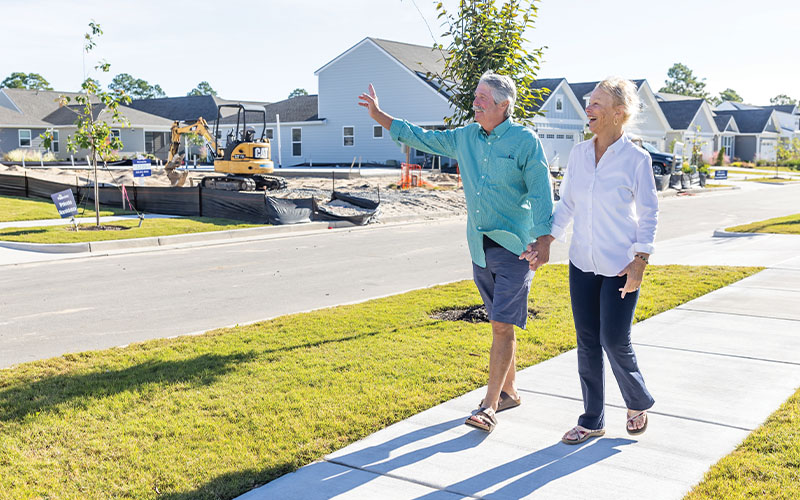
Riverlights has grown into a community of more than 3,000 residents, according to developer Brookfield Properties, as the...