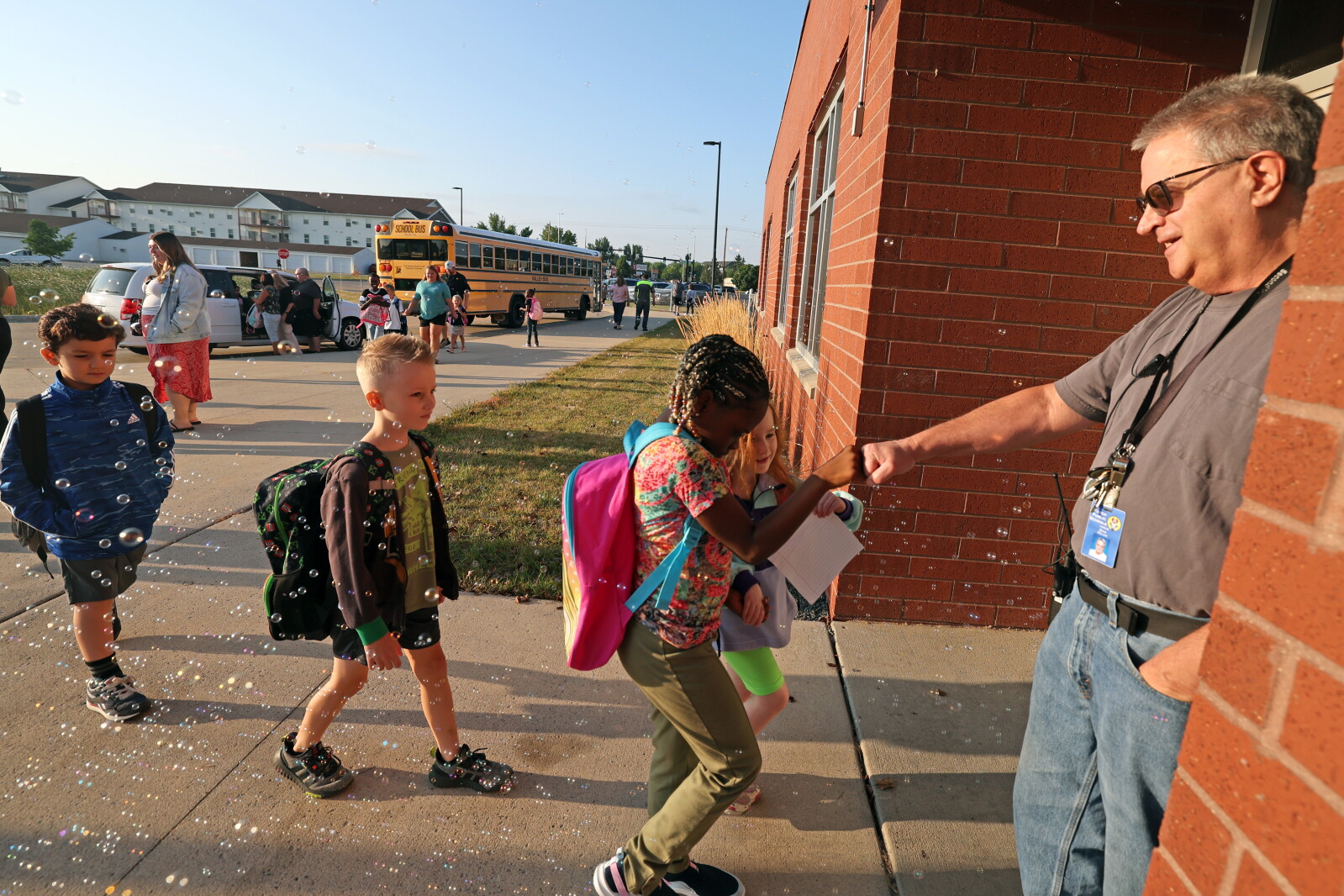
“Behind every one of these numbers is a classroom of North Dakota students waiting for a teacher,” State Superintendent Levi Bachmeier said, addressing a growing crisis in the state’s public education system, InForum reported.
The scale of the vacancy issue is becoming increasingly clear as school districts across the state struggle to staff essential roles. A voluntary “unfilled positions survey” recently conducted by the Department of Public Instruction revealed that more than 250 positions remain vacant across the state. While the survey only drew responses from just over a quarter of North Dakota’s school districts, the data suggests a widespread struggle to maintain consistent classroom instruction and support services.
The shortage is not distributed evenly across all disciplines. According to a news release from the Department of Public Instruction, elementary teachers make up 30% of these unfilled positions, while special education teachers account for 20%. This gap creates a ripple effect that extends beyond the classroom, impacting everything from specialized student services to the basic logistics of getting students to school.
Special education and support staff face the heaviest vacancies
For many educators, the shortage feels less like a temporary fluctuation and more like a permanent state of recruitment. John Porter, who assists various districts in southeastern North Dakota with special education staffing, described the situation as an “incredible shortage” that necessitates an annual struggle to find qualified professionals.

“You’re constantly feeling like you’re in the process of recruiting special ed teachers… it is that big of a need,” Porter said.
The vacancy crisis is particularly acute in the special education sector, a field Porter notes is often hampered by misconceptions. He observed that some people incorrectly believe all special education teachers must deal exclusively with problematic student behavior, which is not always the case. Additionally, he pointed to a prevailing belief in the private sector that teaching is not a lucrative career, though he argued that a closer look at pay structures, health benefits, and retirement packages might tell a different story.
While larger metropolitan areas like Fargo and West Fargo report fewer vacancies, they are still feeling the pressure. Fargo Public Schools currently has one opening each at the elementary and middle school levels, along with one special education position at the high school level. These roles are being managed by certified, long-term substitutes. West Fargo Public Schools reports a slightly higher number of vacancies, including three positions in elementary and middle schools and five special education openings spread across all grade levels.
In smaller districts, the absence of staff often forces radical changes to daily operations. In the Central Cass Public School District in Casselton, an English teaching position has remained unfilled for several years, forcing Superintendent Morgan Forness to restructure school schedules to accommodate the gap. The district is also short one special education teacher for its middle and high schools.
The staffing crisis extends to the essential workers who keep school buildings running. Forness noted that his district has four unfilled paraprofessional positions and continues to struggle with finding bus drivers and custodial staff. “We, like every district, can’t find enough bus drivers or custodial staff… you continue to just get by with what you can find,” Forness said.
In the Kindred Public School District, located 25 miles southwest of Fargo, the shortage hits the transportation department hardest. While Superintendent Mike Kolness reported that all licensed teaching positions are currently filled—partly due to the district’s proximity to the Fargo-Moorhead area—the district is heavily reliant on its teaching staff to keep students moving. Currently, Kindred teachers are covering five of the district’s eight bus routes.
Legislative proposals aim to address teacher compensation
The dwindling pool of applicants has become a long-term trend rather than a sudden spike. Forness observed that the number of people entering the teaching profession has been declining for years, a trend exacerbated by a high volume of recent retirements. To combat this, the state and the North Dakota University System have implemented various programs to encourage students to pursue roles in special education, including speech pathology, occupational therapy, and physical therapy.
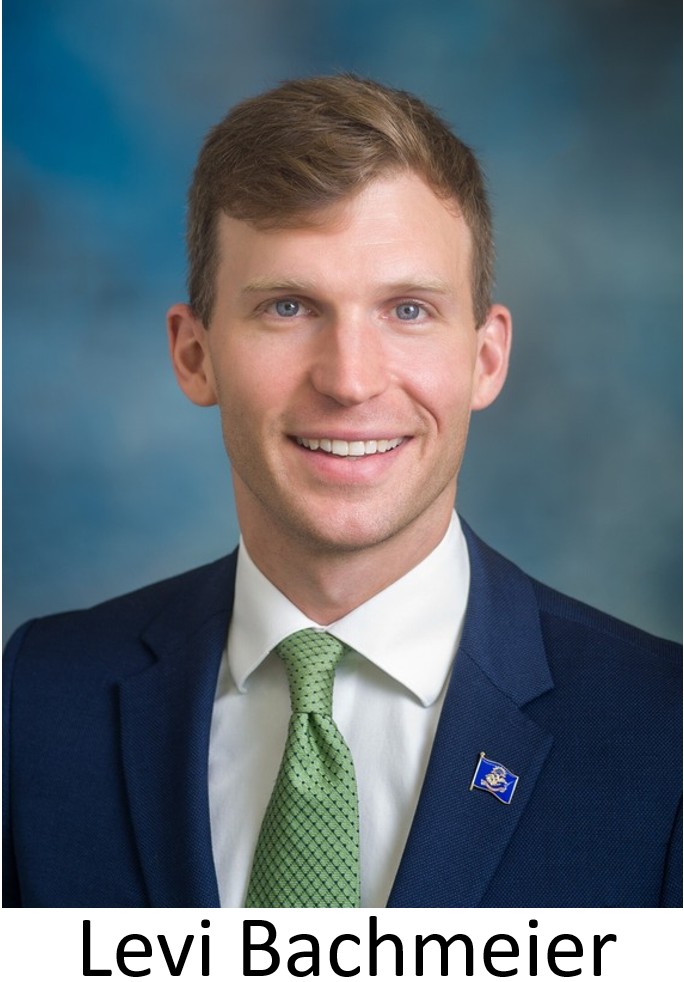
However, many educators argue that structural changes to pay are the most critical lever for change. There is currently a legislative proposal on the table that would address teacher pay by providing an annual bonus based on 10% of the earnings from the Common Schools Trust Fund. If passed, the proposed stipend would start at $3,400 per teacher.
This proposal has received support from local leadership who see it as a necessary step in a much larger fight for stability. Forness expressed optimism regarding Bachmeier’s acknowledgment of these pay challenges within the legislative framework.
“I think we have to address all factors that are affecting the teacher shortage, and teacher pay is definitely one of them,” Forness said.
As districts continue to rely on long-term substitutes and restructured schedules to bridge the gap, the fundamental question remains whether temporary stipends and recruitment programs can stabilize a workforce that has been shrinking for a decade.

Should You Claim Social Security at 62? Average Benefits and Timing Pros and Cons
The Permanent Cost of Early Social Security Claims Deciding to claim Social Security at age 62 creates a...

Modders Run Pokémon Gold and Silver on Tamagotchi Paradise
Modders transform Tamagotchi Paradise into playable Game Boy handhelds Reddit users have successfully modified the Tamagotchi Paradise, a...
No. 23 Kentucky Holds Off James Madison in 89-80 Victory
Kentucky pulls away from James Madison in 89-80 victory A decisive second-half surge allowed No. 23 Kentucky to...

Charleston’s Lost Groundnut Cake Faces a Modern Culinary Rebirth
The Return of the Groundnut Cake to Charleston Streets For nearly a century, the specific, citrus-tinged crunch of...