
The growing season in Lincoln, Nebraska reached 167 days in 2026, according to official National Weather Service data from the High Plains Regional Climate Center and the xmAcis program.
That span bridged a last spring freeze on May 2, when temperatures dipped to 30°F, and a first autumn freeze on October 17 at 31°F.
The 2026 duration sits close to the historical normal average of 171 days calculated across all years of record starting in 1887. Yet it marks a sharp contraction from the previous year, when local growers experienced a significantly extended 196-day season.
Tracking the window between the final spring freeze and the first autumn freeze reveals substantial annual volatility in agricultural conditions across Lancaster County. The shortest growing season on record dropped to just 117 days in 1940, bookended by a late freeze on May 16 and an early sweep on September 11.
At the opposite extreme, the longest growing season stretched to 217 days in 1924. That year featured an early final spring freeze on April 2 and a remarkably delayed first autumn freeze on November 6.

Recent decades show considerable fluctuation around the standard 30-year normal span of 164 days covering 1991 through 2020. Annual metrics for the last five years illustrate this variability:
- 2026: 167 days (last freeze May 2, first freeze October 17)
- 2025: 196 days (last freeze April 11, first freeze October 22)
- 2024: 175 days (last freeze April 21, first freeze October 14)
- 2023: 176 days (last freeze May 3, first freeze October 27)
- 2022: 163 days (last freeze April 26, first freeze October 7)
The recorded metrics rely strictly on days where temperatures fall to 32°F or lower. Spring and autumn freeze dates dictate planting schedules for regional row crops, commercial vegetable producers, and home gardeners alike.
While the 2025 season provided nearly three weeks of additional frost-free growing time compared to the historical average, the 2026 data returns closer to baseline expectations. Official data series maintained by climate networks continue to track these shifts year over year.
Keep reading

SWOSU Soccer Faces Washburn in NCAA Division II Tournament
The Southwestern Oklahoma State University soccer team earned its sixth NCAA Division II Tournament appearance, capturing an automatic...

Dr. Svetlana Lopata Specializes in Advanced Wound Care
Dr. Svetlana Lopata brings specialized expertise in advanced wound care and tissue healing to her clinical and academic...

Nine New Officers Sworn Into Fargo Police Department
Nine new officers took the oath Monday, Nov. 9, after completing an 18-week course at the Fargo Police...
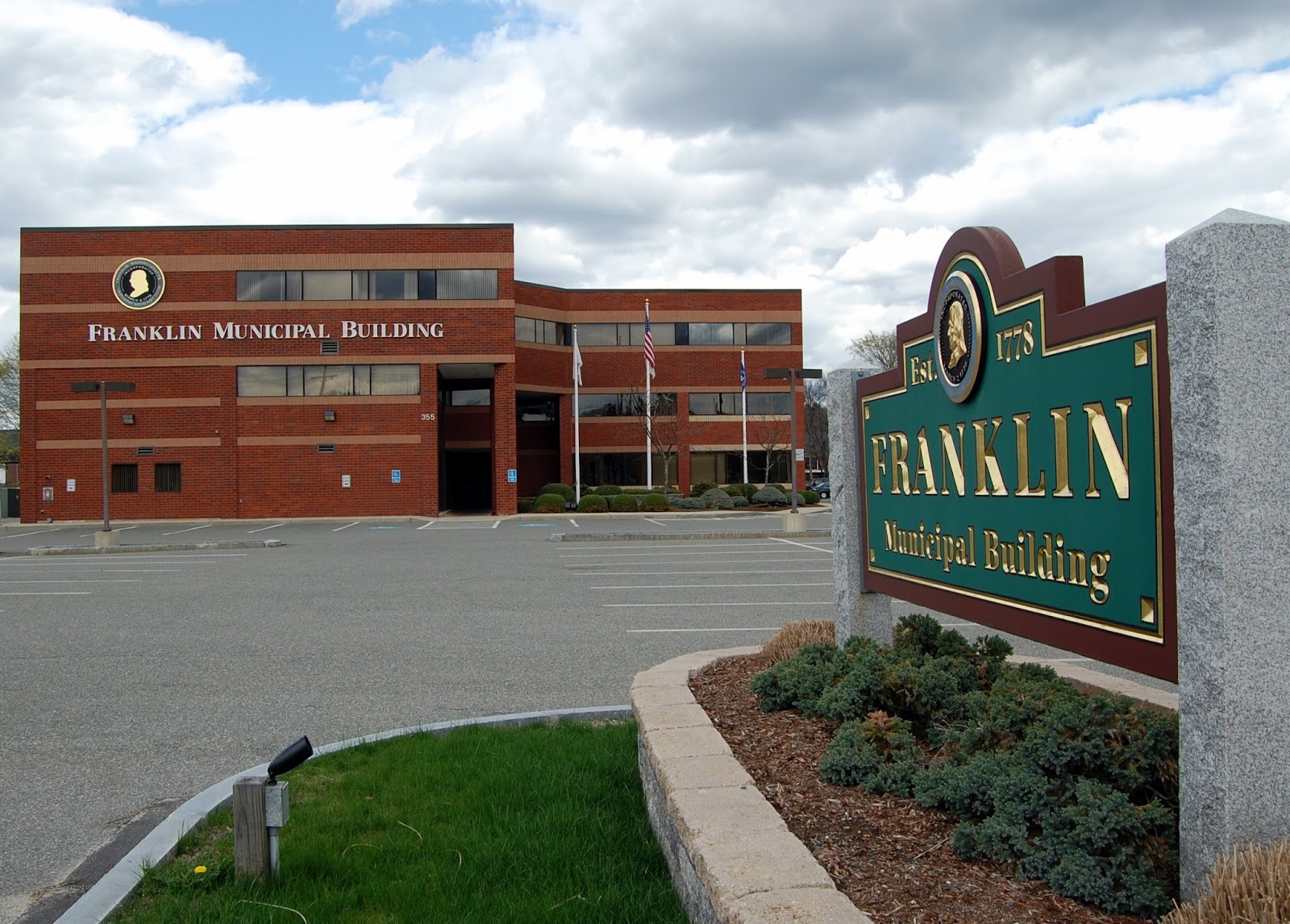
City of Franklin Seeks Accountant for Municipal Finance Role
The City of Franklin is seeking an Accountant for a municipal finance role responsible for day-to-day record keeping...