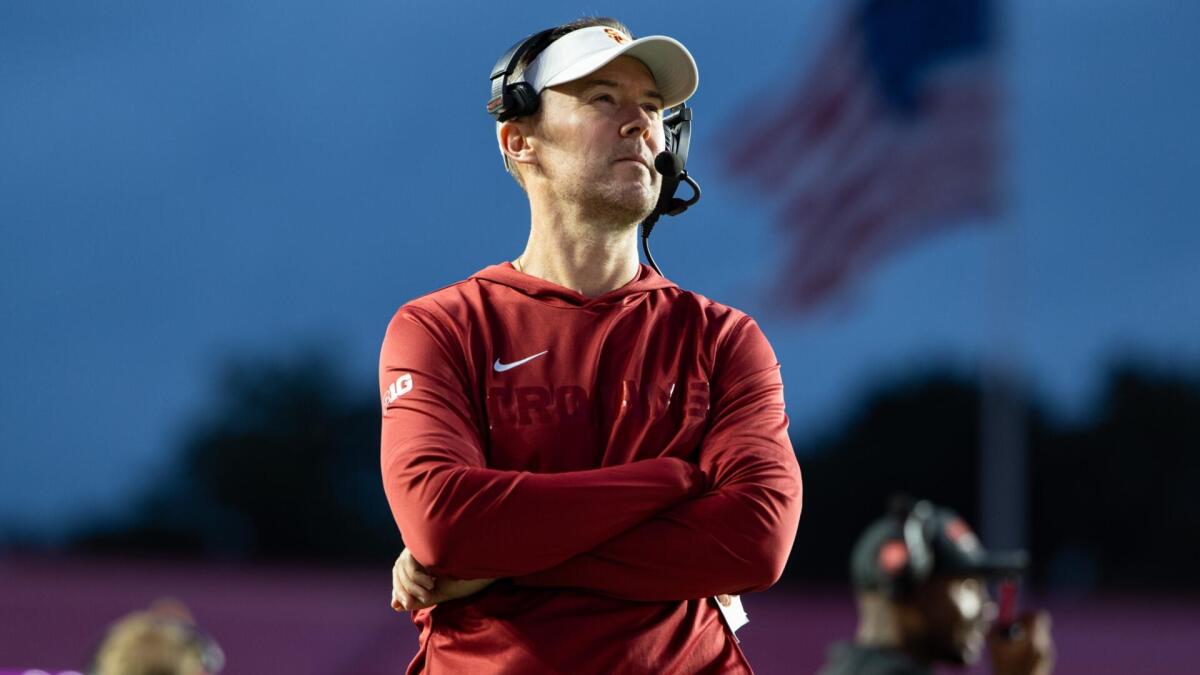
Lincoln Riley is firmly committed to USC despite mounting pressure and a precarious playoff position. Following a disappointing loss to Wisconsin that left the Trojans with a 6-2 record, Riley dismissed speculation regarding his long-term future in Los Angeles, emphasizing that he gave up a stable, high-performing situation at Oklahoma to lead the program.
The stakes for Riley have reached a critical juncture. With the College Football Playoff hopes of the Trojans hanging by a thread and a matchup against No. 2 Ohio State looming this weekend, the coach faces a “signature win” opportunity that could either stabilize his tenure or accelerate the calls for change. For the USC community, the concern isn’t just a single loss, but a pattern of underperformance at a blue-blood program that expects championship results every season.
The cost of the Oklahoma exit
Riley’s defense of his position often centers on the magnitude of his move to Los Angeles. He reminded reporters that few in the history of college football have sacrificed as much as he did to join the Trojans, noting that he left a program where he was a regular playoff contender with vast resources.
“I love it here,” Riley said. “I’ve told you guys many times. There’s not many people in college football history who gave up what I gave up to come here. I don’t care if it’s 15 years down the line. That should never be taken lightly, and it’s not taken lightly by me.”
While this perspective explains Riley’s personal investment, it creates a friction point with a fanbase that views the move as a professional choice. From the stands, the argument that Riley “gave up” a successful run at Oklahoma carries little weight when the current reality includes zero ranked wins and losses to an unranked Wisconsin team and a struggling Oregon squad.

A pattern of missing the mark
The numbers suggest a decline in momentum since Riley’s arrival. After a promising 11-win debut season, the Trojans have failed to reach double-digit wins in any subsequent year. More importantly, they have not come close to securing a spot in the College Football Playoff during his tenure.
This lack of elite-level success is particularly jarring given the patience Riley has received. USC has a storied history of winning, yet Riley has been afforded a five-year window to implement his vision. The pressure is further compounded by the current coaching carousel; with three Power Four jobs already open and more expected in the coming month, the temptation for a coach in a volatile position to look elsewhere typically increases.
Riley argues that high expectations are simply part of the job description. He recalled his first year with the Sooners, noting that fans tried to run him out of town after his very first loss. He views these swings in sentiment as a test of character, stating that those who let the highs and lows get to them are not the right people for the job.
Riley maintains supportive ties with Jennifer Cohen
Adding a layer of complexity to Riley’s security is the change in leadership at the athletic department. Riley was not hired by current athletic director Jennifer Cohen, a dynamic that often creates instability in collegiate sports when a new AD seeks to install “their own” coach.
Riley has gone out of his way to describe his relationship with Cohen as “fantastic,” calling her a “tremendous AD” who has been incredibly supportive of the program’s progress. However, the external noise persists because the structural bond—the original hiring agreement—no longer exists.
Ohio State game serves as referendum on Riley
This weekend’s game against No. 2 Ohio State serves as a practical referendum on Riley’s current trajectory. A victory would provide the Trojans with a high-profile win and a viable path back into the playoff conversation. It would effectively cool the temperature of his seat and silence critics who question his ability to win “the big one” in Los Angeles.
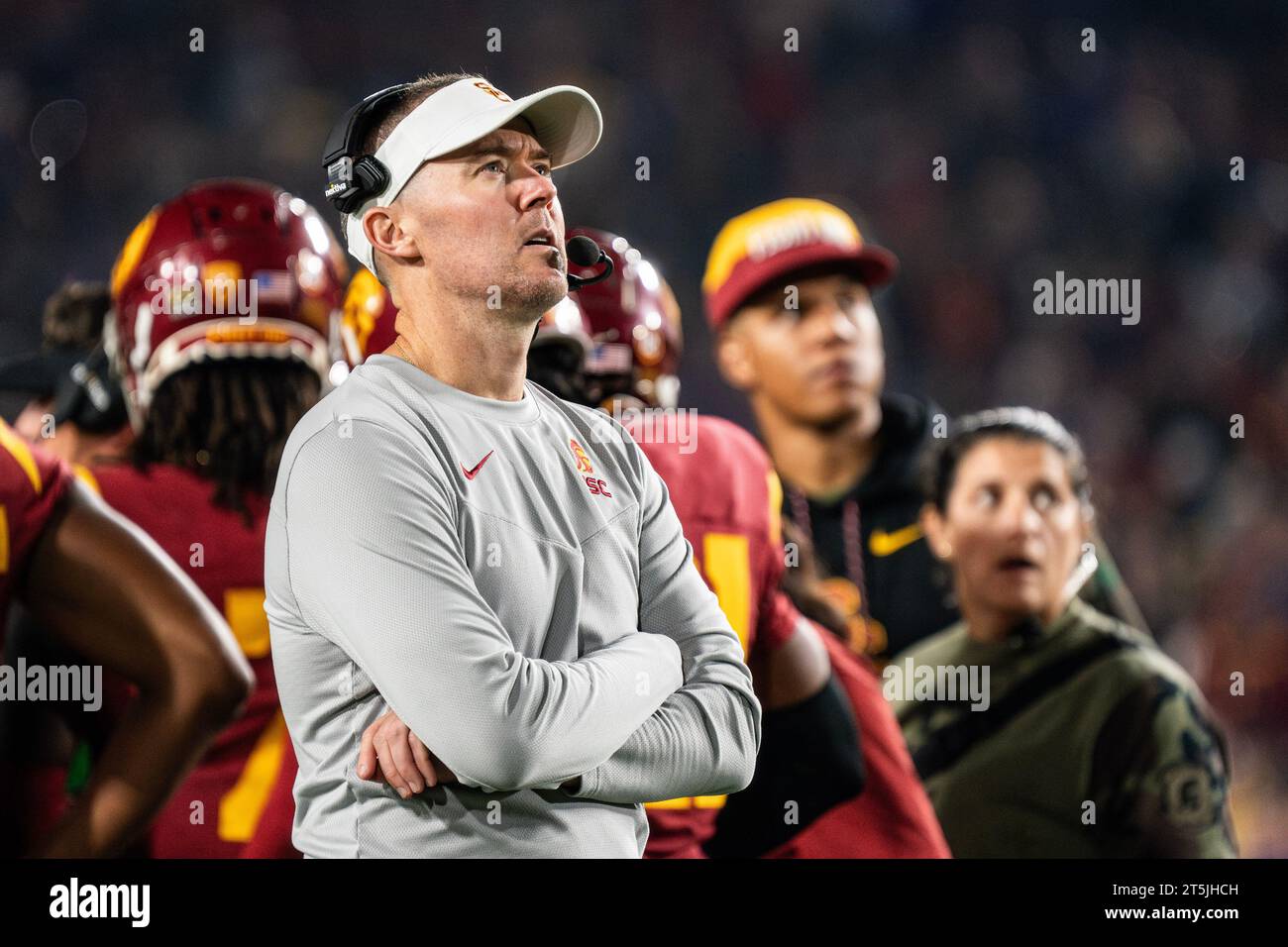
If USC loses, particularly to another backup quarterback in Big Ten play, the narrative shifts from “building a program” to “failing to meet the standard.” In the high-pressure environment of a blue-blood program, the difference between a job-saving win and a termination-track loss is often a single Saturday.
“I came here because this is where I wanted to be,” Riley said. “I came here because I believe in this place, and none of that has changed whatsoever.”
Related reading

OKC Thunder face roster crisis after losing three key starters
The Oklahoma City Thunder are facing a sudden roster crisis after losing two key starters to severe injuries...
Interview with John Scalzi on Monsters of Ohio
John Scalzi is bringing "cozy Cronenberg" to the American Midwest in his 20th novel, Monsters of Ohio, a...

Judge Steven McCullough Retires From Cass County Courthouse
On his final Monday serving as presiding judge for the East Central District in the Cass County Courthouse,...

The Rink at Bank of America Winter Village operates as New York City’s largest free admission ice
Bryant Park Prepares for Winter Village Ice Skating Season in NYC The Rink at Bank of America Winter...