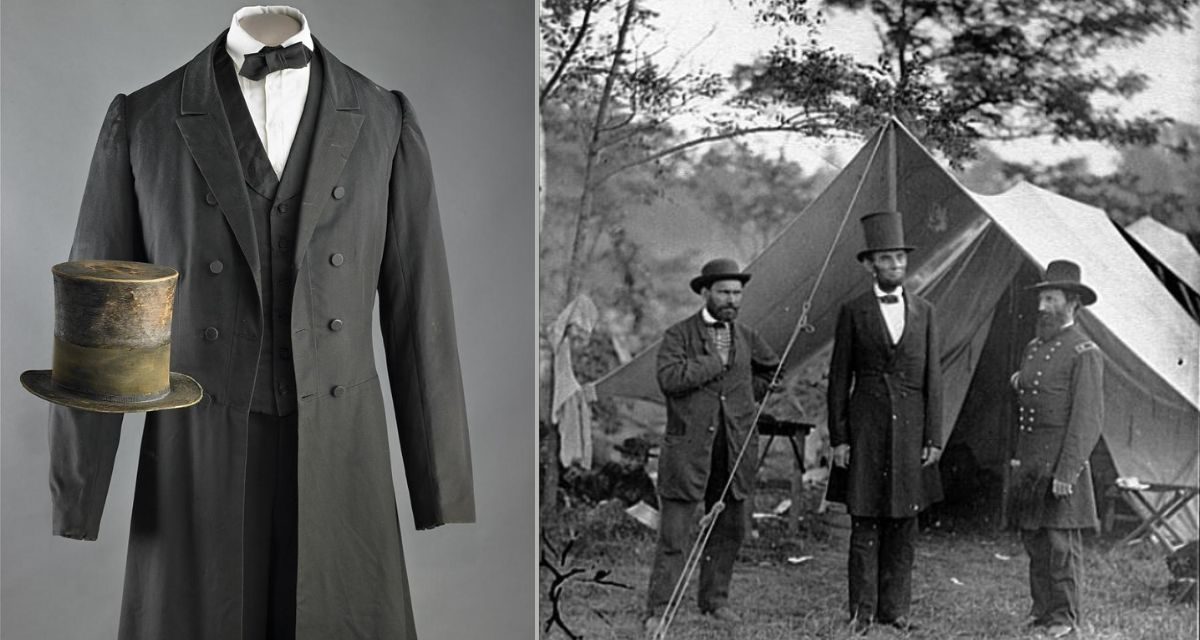
Abraham Lincoln’s signature stovepipe hat was born from a moment of fashion-induced insecurity during a 1860 presidential campaign trip to New York City, according to reports from Upworthy and Yahoo News Malaysia.
When Lincoln arrived in the city in February 1860, the 6’4″ politician from the Midwest felt out of place among the sophisticated urban elite. He was a man of simple tastes, but the high-society atmosphere of New York prompted a sudden need to upgrade his appearance.
Lincoln purchased the iconic headwear at a shop called Knox the Hatter, located at 212 Broadway. This establishment, also known as Knox Great Hat and Cap, sat near what is now the Fulton subway station, NYC content creator Johnny Murtaugh noted.
While Lincoln already owned a suit and boots, his existing wardrobe lacked the polish required for the city’s wealthy circles. Murtaugh explained that Lincoln essentially wanted to “overcompensate” because he “didn’t feel bougie enough to be in New York City.”
The tall hat quickly evolved from a fashion statement into a multifunctional tool for the future president. Beyond its visual impact, the accessory served several highly practical purposes in Lincoln’s daily life.
Lincoln’s biographer, Harold Holzer, told Smithsonian Magazine that the hat acted as protection against inclement weather and functioned as a mobile storage unit. Lincoln often tucked important papers inside the lining of the hat for safekeeping.
The height of the stovepipe hat also served a strategic social function. Holzer noted that the accessory helped accentuate Lincoln’s height, ensuring he would “at least he would look taller than any man in the city.”

This physical presence became a defining part of his persona, but the hat also played a role in historical moments of survival and tragedy.
The evolution of Lincoln’s style—from a Midwestern man feeling underdressed in New York to a globally recognized icon—was cemented by a single, impulsive trip to a Broadway haberdashery. It remains a rare instance where a perceived social inadequacy resulted in one of the most enduring symbols in American history.
Related reading

Mayor-Elect Morales Names New Chief of Staff and Finance Director
David Morales selects Wood and Lindberg for senior roles Mayor-elect David Morales has named Jennifer Wood as his...
Southern Oregon Edges Rocky Mountain in Double Overtime Shootout Thriller
Southern Oregon secured a narrow 5-4 victory over Rocky Mountain (MT) in a marathon match that required two...

Supreme Court Weighs State Laws on Eminent Domain Legal Fees
Landowners in North Dakota face a potential loss of legal protections if the Supreme Court decides that federal...

Oppenheimer to Invest $66 Million in New Lower Manhattan Headquarters
Oppenheimer Holdings commits $66 million to Manhattan headquarters Oppenheimer Holdings Inc. is investing $66 million to establish a...