
“Tax increment financing allows the Port Authority to do the difficult, complex work necessary to clean up and prepare vacant and contaminated sites for redevelopment,” Todd Hurley, president and chief executive officer of the St. Paul Port Authority, said in a statement.
Three major business districts in St. Paul are set to rejoin the city’s tax rolls significantly earlier than originally planned, My Villager reported. The St. Paul Port Authority announced it intends to decertify these tax increment financing (TIF) districts by the end of 2026, years before their scheduled expiration dates.
The move is expected to release a combined taxable market value of $63 million back into the city’s general tax base. While the districts were originally slated to remain active through 2029, 2030, and 2032, the early decertification will immediately begin shifting the revenue generated by these properties toward city, county, and school district levies.
Economic impact of the decertification
The three districts involved represent changes in land value and employment density. According to reporting from twincities.com, the Great Northern Business Center Phase 1/North, the Energy Lane Business Center, and the Great Northern Business Center Phase 2/South are the locations moving back onto the tax rolls.
The transition marks a successful completion of the financial obligations required by the developers. Under the TIF structure, increased property tax revenue is captured to pay for redevelopment costs like environmental remediation or sewer hook-ups. Once those obligations are met, the “increment”—the growth in value—returns to the public coffers.
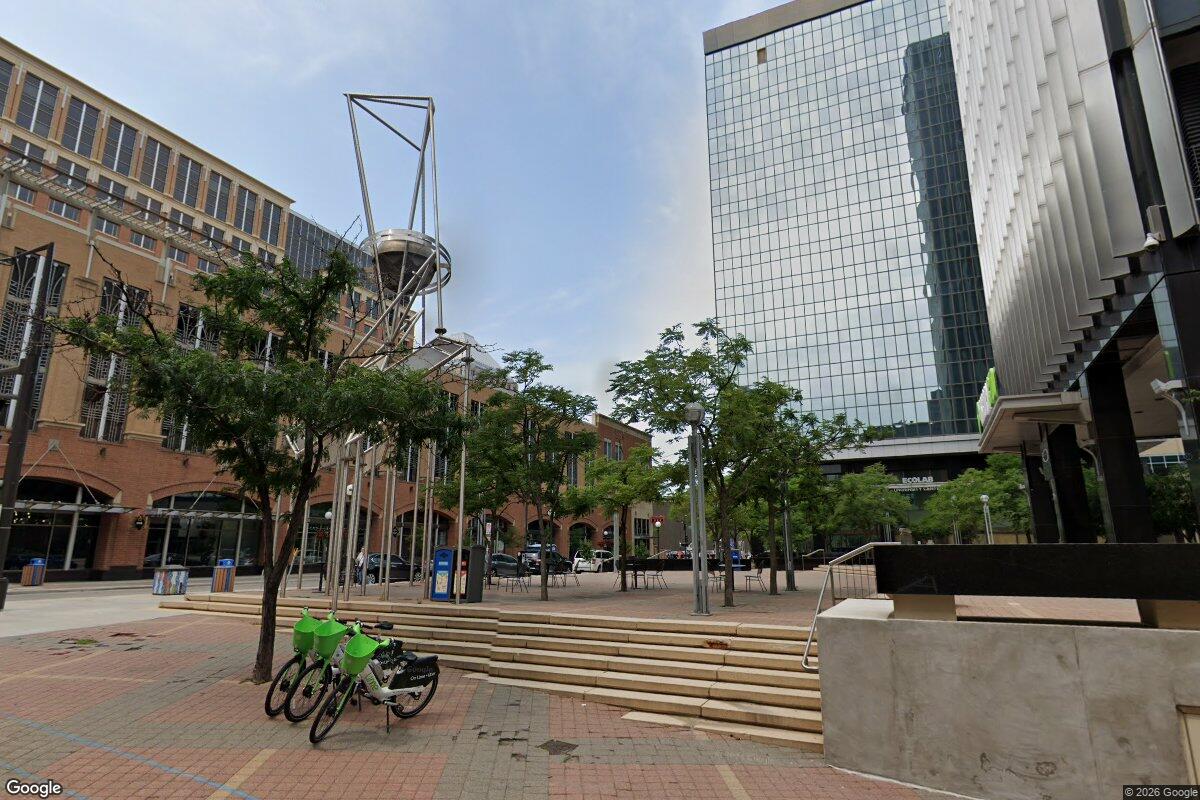
The scale of the value increase across these three sites is substantial:
| District Name | Former Annual Tax Revenue | New Annual Tax Revenue | Market Value Growth |
|---|---|---|---|
| Great Northern Phase 1/North | $55,000 | Over $1,000,000 | $822,000 to $30.6 million |
| Energy Lane Business Center | $44,000 | Over $400,000 | Over $10 million |
| Combined Total (3 Districts) | — | Over $2.3 million | $63 million (Total Market Value) |
The Great Northern Business Center Phase 1/North, located near Topping Street, saw its market value climb from $822,000 prior to redevelopment to $30.6 million. It now supports 580 jobs, including the corporate offices of Warners’ Stellian, according to twincities.com.
The Energy Lane Business Center, which sits on a former federal Superfund-designated polluted site, has grown from generating $44,000 in annual taxes with no jobs to supporting 300 jobs and producing more than $400,000 in annual property taxes. Major employers there include All Energy Solar, twincities.com reported.
The debate over TIF usage
While city officials and the Port Authority view these early decertifications as a victory for taxpayers and workers, the use of TIF remains a point of contention in St. Paul. The fiscal watchdog group Insight St. Paul has argued that more than 6% of the city’s tax base is currently locked up in roughly 58 different TIF districts, urging the city to use the mechanism more sparingly.
Critics often view TIF as an expensive incentive that diverts money away from essential services. However, the Minnesota State Auditor clarifies that TIF does not actually reduce the property taxes charged on a property’s full taxable value; rather, it changes where the growth in that value is directed.
The Port Authority’s strategy involves buying abandoned or contaminated industrial properties that private developers might otherwise avoid. The authority funds the cleanup and prepares the land for reuse, sometimes selling sites back to the community for as little as $1, provided they meet certain workforce agreement criteria, as noted by hoodline.com.
St. Paul Mayor Kaohly Her and City Council President Rebecca Noecker have both praised the pending decertifications as vital steps for strengthening the city’s tax base. The three districts currently host 1,175 jobs across 11 companies.
The Port Authority has a history of moving toward earlier decertification, having previously moved to end the Westminster Junction district early. That district currently supports 913 jobs, hoodline.com reported.
Decertification is permitted under Minnesota law when qualifying obligations are met, often referred to as the “Six-Year Rule,” or when a development authority requests it in writing. These three districts have met their financial requirements, allowing them to exit the TIF structure years ahead of their original 2029–2032 timelines.
Related reading
- Mayor-Elect Morales Names New Chief of Staff and Finance Director
- Southern Oregon Edges Rocky Mountain in Double Overtime Shootout Thriller
- Miller's Chief of Staff Job Needs No Senate Vote; Three DOJ Seats Do (daybreakwire.com)
- Anthropic launches Mythos 5.2 and Fable 5.2 models ahead of IPO (newsarchyuk.com)

Mayor-Elect Morales Names New Chief of Staff and Finance Director
David Morales selects Wood and Lindberg for senior roles Mayor-elect David Morales has named Jennifer Wood as his...
Southern Oregon Edges Rocky Mountain in Double Overtime Shootout Thriller
Southern Oregon secured a narrow 5-4 victory over Rocky Mountain (MT) in a marathon match that required two...

Supreme Court Weighs State Laws on Eminent Domain Legal Fees
Landowners in North Dakota face a potential loss of legal protections if the Supreme Court decides that federal...

Oppenheimer to Invest $66 Million in New Lower Manhattan Headquarters
Oppenheimer Holdings commits $66 million to Manhattan headquarters Oppenheimer Holdings Inc. is investing $66 million to establish a...