
New private investment is rapidly altering the demographic and economic profile of the 55416 zip code. While the area has historically faced economic disparities, redevelopment is currently redefining the North Loop and Near North neighborhoods.
The 55416 area, which encompasses the North Loop, Near North, Harrison, and parts of Willard-Homewood, sits just north of downtown Minneapolis. Its borders stretch from Washington Avenue in the south to Lowry Avenue in the north, with West Broadway Avenue to the east and the Mississippi River to the west. This geography places it at the center of the city’s most intense development interests.
According to U.S. Census data analyzed by the Minnesota Compass project, poverty rates in this sector have traditionally been disproportionately high compared to citywide averages. This economic reality is now colliding with a surge of new construction and rising property values.
“The goal isn’t just new buildings,” said Marcus Robinson, a long-time community organizer in the area. “It’s building a neighborhood where people who have lived here for generations can not only stay but thrive alongside new arrivals.”
The tension of urban renewal
The physical landscape of 55416 is a study in contrasts, where historic row houses and aging brick apartments sit alongside newly constructed luxury condominiums. This rapid change has created a palpable tension for long-time residents who face the possibility of displacement as property values climb.
The neighborhood serves as a microcosm of national debates regarding gentrification and urban equity. While new developments bring much-needed tax revenue and job opportunities, they also raise difficult questions about the preservation of community character and housing affordability.
Large-scale projects are already signaling this shift. One prominent example includes the reimagining of the former Sears building at 44th and Nicollet into a mixed-use development. Such projects represent a departure from decades of disinvestment and a lack of major retail in the area.
“The goal isn’t just new buildings, it’s building a neighborhood where people who have lived here for generations can not only stay but thrive alongside new arrivals,” Robinson said.
Commercial corridors and community organizations drive local growth
The economic engine of the neighborhood relies heavily on established commercial corridors. Penn Avenue and West Broadway Avenue serve as the primary nodes for activity, hosting a mix of local eateries, service providers, and national retail chains.
Public and community organizations are working to manage this transition. The Near North Community Development Corporation (NNCDC) focuses on driving revitalization through equitable growth, including small business support and affordable housing initiatives. Simultaneously, the Minneapolis Housing and Redevelopment Authority (HRA) manages numerous public housing units in an effort to maintain inclusive communities through collaboration with private developers.
Residents also rely on a specific mix of transit and recreation to move through the zone:
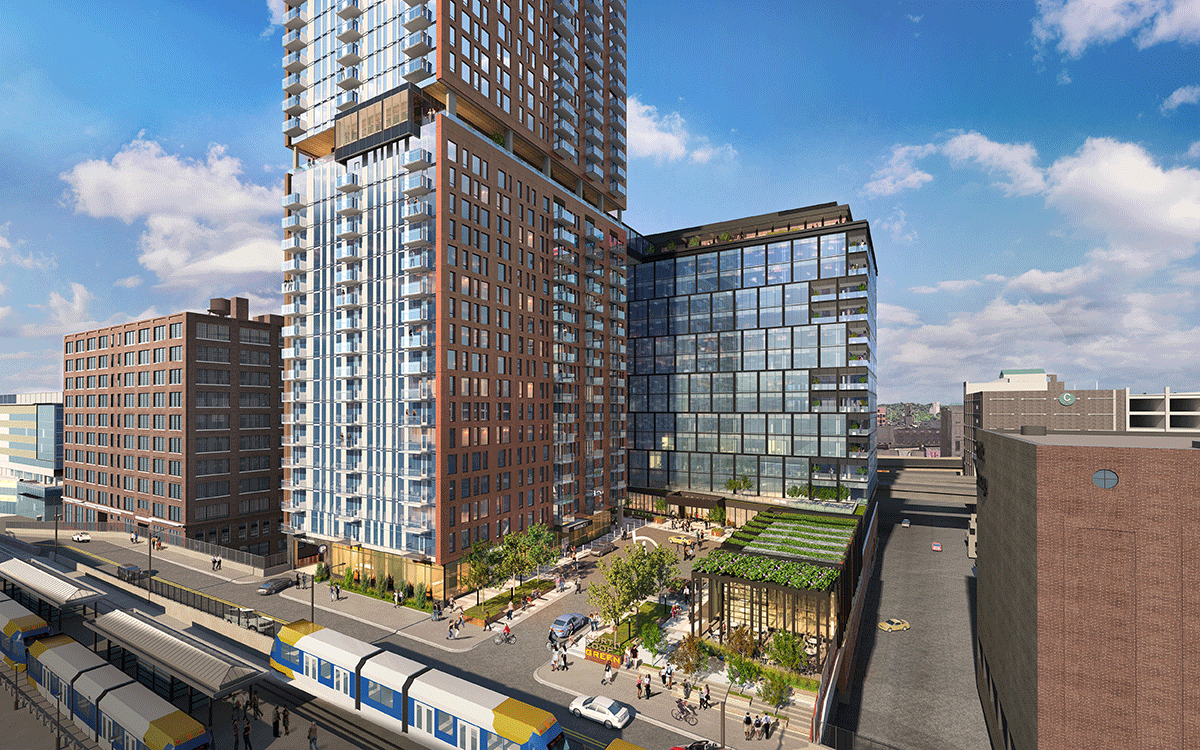
- Transportation: Metro Transit bus routes serve the area, with the Blue Line light rail accessible a short distance to the east.
- Green Space: Sumner Park and Webber Park provide essential urban recreation.
- Natural Assets: The Mississippi River gorge offers opportunities for biking and walking near the St. Anthony Falls Lock and Dam.
Crime rates and safety concerns influence living conditions
Safety remains a primary concern for those living in or moving to 55416. Data from the Minneapolis Police Department’s crime mapping tool indicates that property crime rates are often higher than the city average, while violent crime rates fluctuate.
Perceptions of security vary significantly by block and time of day. Many community members advocate for increased street lighting and neighborhood watch programs to address both targeted and opportunistic crime.
For those entering the real estate market, the options are diverse but require careful budgeting. While luxury developments are increasing, renters may find availability tight, and homeowners of older properties must account for higher maintenance costs. Access to healthcare is supported by the proximity of the Hennepin Healthcare main campus, though specialized medical needs often require travel elsewhere in the city.
The neighborhood’s identity remains deeply rooted in its history as a central hub for the African American community following post-World War II migration. This legacy persists through the area’s churches, social clubs, and long-standing local businesses.
Related reading

Wyoming to Retry Adrian Maggos in Attempted Murder Case Following Mistrial
Adrian Maggos, 28, faces a second attempt by the State of Wyoming to convict him of attempted second-degree...
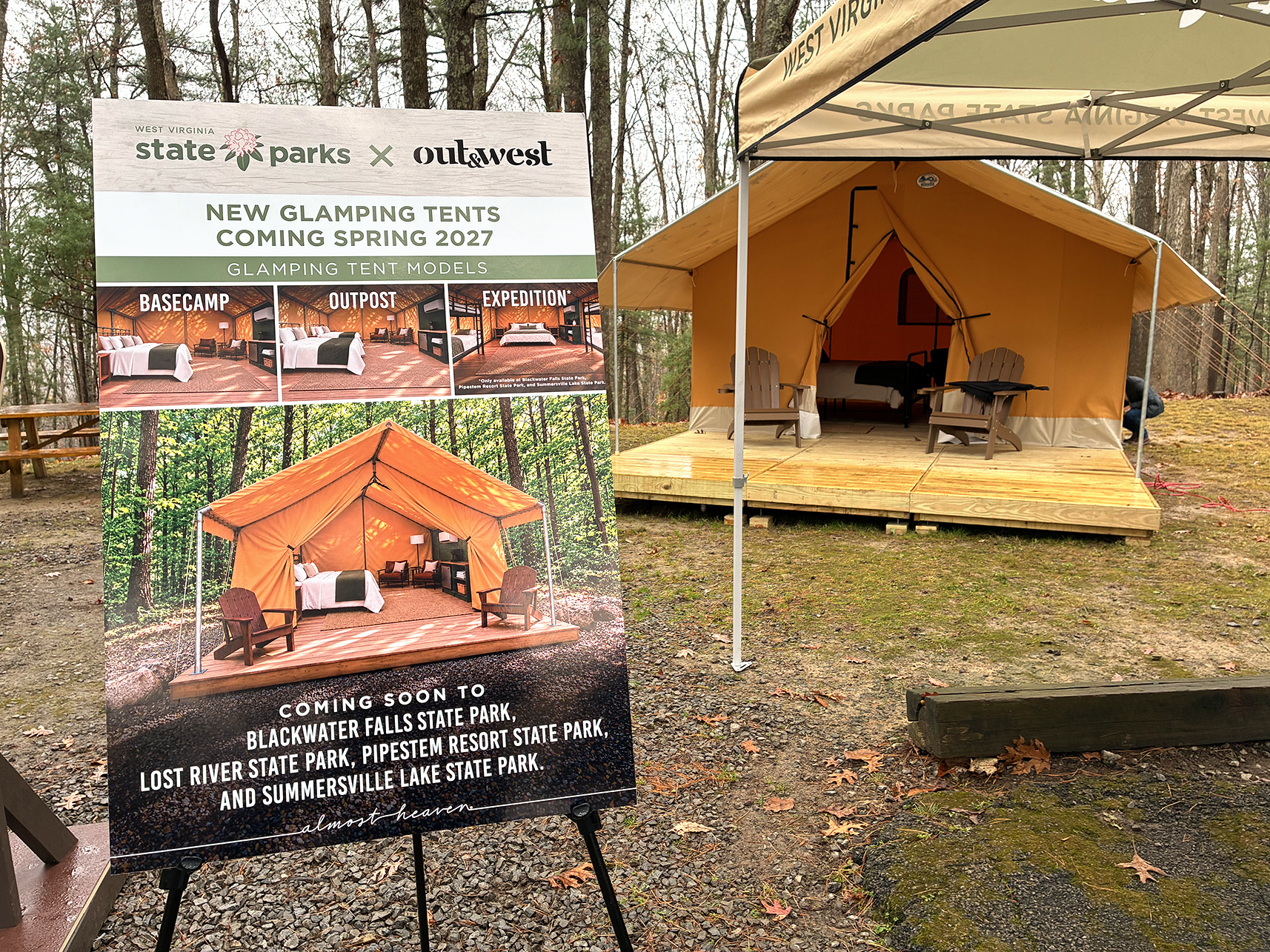
Governor Morrisey Announces Reservations Open for WV Glamping
Governor Patrick Morrisey announced today that reservations are officially open for 32 new glamping accommodations across four West...

2026 Natural Olympia in Las Vegas: Dates, Schedule, and How to Watch
The 2026 Natural Olympia returns to Las Vegas on November 13-14 at the Golden Nugget Hotel & Casino....

Vermont Communities Host Local Holiday Markets to Kick Off Shopping Season
Vermont towns are hosting several free craft markets this Saturday, Nov. 14, to encourage local shopping ahead of...