
Massachusetts is losing high-profile biomedical researchers as negotiations over state funding stall on Beacon Hill.
The state’s renowned "eds-and-meds" sector faces uncertainty while lawmakers debate a dozen major bills, including a package of research grants that could reach $200 million. The delay comes at a time when federal support for science is increasingly unpredictable, despite recent Democratic gains in Congress.
The human cost of the legislative deadlock is already visible at the UMass Chan Medical School in Worcester. Alnylam cofounder Phillip Zamore is moving his RNA research to McGill University in Montreal, and Nobel Prize winner Craig Mello is transferring his RNA research program to Brown University, The Boston Globe reported.
“If DRIVE doesn’t get passed until January, UMass Chan’s McManus says more talent will likely leave,” the report said.
The struggle for DRIVE funding
Governor Maura Healey originally proposed the grants as part of a 2025 DRIVE bill. Her plan called for $200 million for public universities and another $200 million for private institutions to counter disruptions in federal research funds.
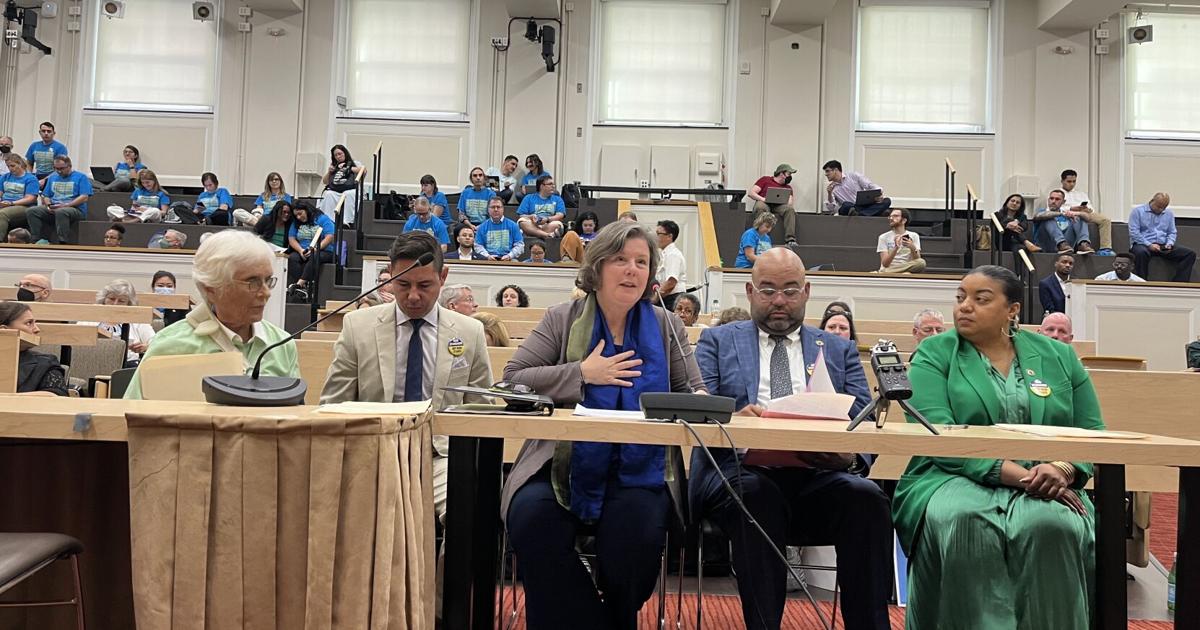
State lawmakers have since proposed significantly smaller versions of the plan. The House of Representatives version includes $200 million in total, with $175 million earmarked for public universities—most of which would go to UMass Chan—and the remainder for private schools. The Senate has proposed an even smaller figure of $100 million, with all funds directed toward public institutions.
Disagreement persists over how to finance these grants. The House suggests relying on interest from the state’s $8 billion-plus rainy-day fund, while the Senate favors using revenue from the millionaires tax. Negotiators Aaron Michlewitz in the House and Barry Finegold in the Senate must also resolve unrelated issues, including artificial intelligence rules and expanded gambling, before the two-year session ends in less than two months.
Declining research portfolios and staff cuts
The UMass system currently holds the fourth-largest research portfolio in New England, but it is facing a downward trend. Recent data shows the system’s budget reflects $510 million in federal grants, a 6.5 percent decline from the previous year and a nearly 10 percent drop from a peak of $568 million two years ago.
At the UMass Chan campus, these financial pressures have resulted in tangible workforce reductions. The school saw staff numbers drop by 200 people last year and has paused new faculty recruitments. The institution also halved its PhD student intake, accepting only 40 students this fall compared to 80 two years ago.

Individual departments are feeling the impact of drying up grants. Beth McCormick, the microbiology chair, saw three grants totaling $6 million disappear last year, which led to the furlough or layoff of six people.
“I worry an entire generation of scientists-in-training could be affected,” McCormick said.
Private institutions are also seeking support. Rob McCarron, president of the Association of Independent Colleges and Universities in Massachusetts, has lobbied for the House version of the bill, noting that while state funding cannot bridge every gap, it is necessary to preserve critical research.
| Institution/Entity | Current Status/Trend |
|---|---|
| UMass Research Portfolio | $510 million in federal grants (6.5% annual decline) |
| UMass Chan Staffing | 200 staff reductions last year |
| UMass Chan PhD Intake | 40 students (down from 80 two years ago) |
| DRIVE Proposed Funding (House) | $200 million total |
| DRIVE Proposed Funding (Senate) | $100 million total |
Global competition for scientific expertise
The hesitation in Massachusetts occurs as other regions aggressively court scientific talent. California voters recently approved billions in state funding for biomedical research, while New York and Texas are also increasing support for the sector. Meanwhile, institutions in Canada, Europe, and China are positioned to absorb researchers displaced by funding instability in the United States.
The Massachusetts Taxpayers Foundation has advocated for a distribution model that includes private institutions. Doug Howgate, the foundation’s president, said that the state’s global reputation for scientific research is a valuable asset that requires protection.

For UMass Chan Chancellor David McManus, the DRIVE legislation is about more than just dollars; it is about institutional stability. He said that the funding would provide essential support for a sector that employs hundreds of thousands of people and would signal to scientists that their work is valued within the state.
Negotiators Michlewitz and Finegold expressed hope that an agreement can be reached before the session expires. Michlewitz indicated that the House version of the DRIVE proposal aligns more closely with the Governor’s original intent by including provisions for private-sector grants.
Current research funding is being shaped by shifts in how states prioritize long-term economic drivers, such as the billions in state funding being approved in competing jurisdictions like California.
The legislative window for these negotiations remains narrow, with less than two months remaining in the current session.
- Wyoming to Retry Adrian Maggos in Attempted Murder Case Following Mistrial
- Governor Morrisey Announces Reservations Open for WV Glamping
- Florida researchers discover first dark magic mushroom with toxins and psychedelics (newsarchyuk.com)
- Porzingis Stepped Away, and His $20M Still Counts on Golden State's Cap (daybreakwire.com)

Wyoming to Retry Adrian Maggos in Attempted Murder Case Following Mistrial
Adrian Maggos, 28, faces a second attempt by the State of Wyoming to convict him of attempted second-degree...
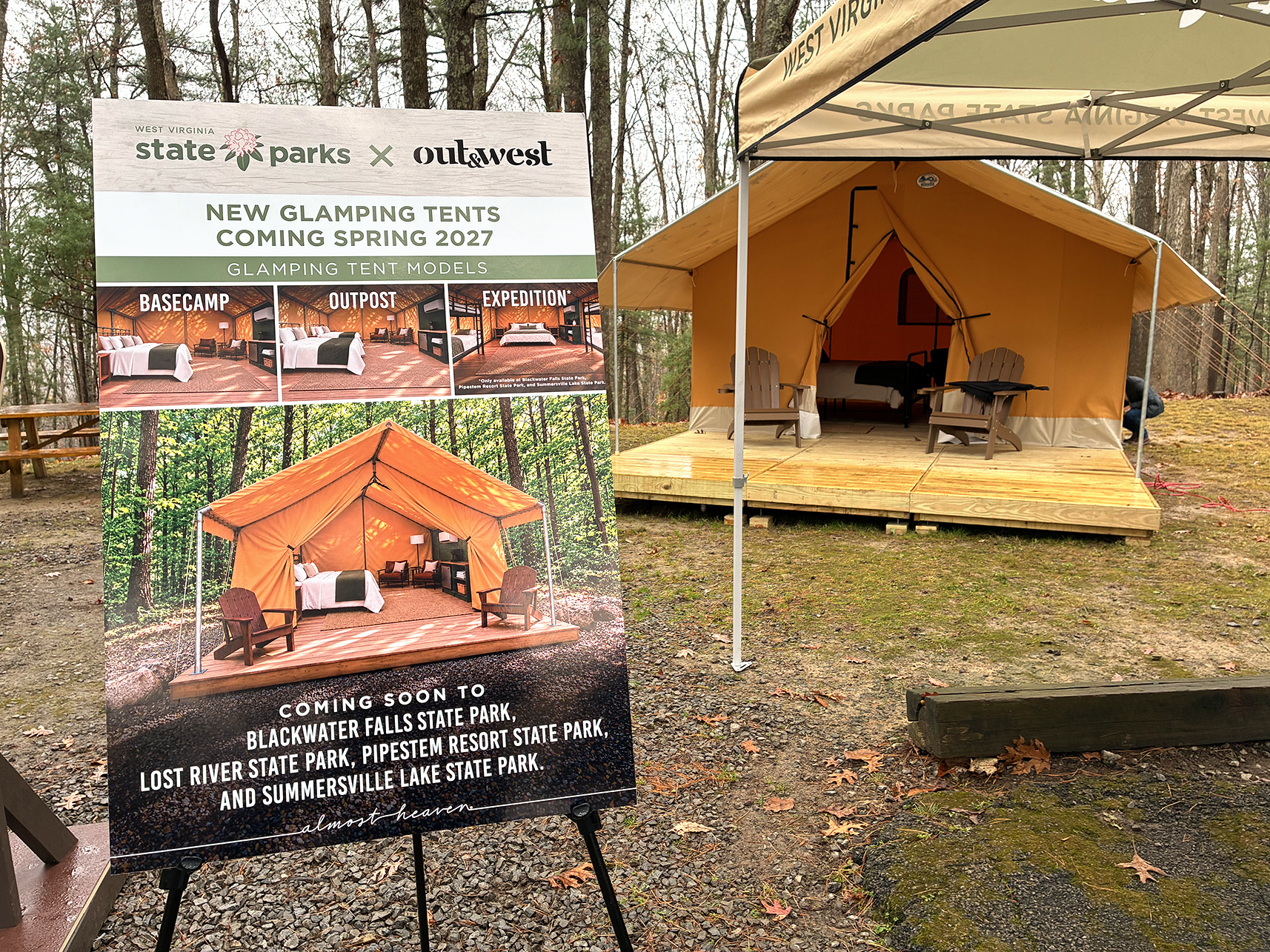
Governor Morrisey Announces Reservations Open for WV Glamping
Governor Patrick Morrisey announced today that reservations are officially open for 32 new glamping accommodations across four West...
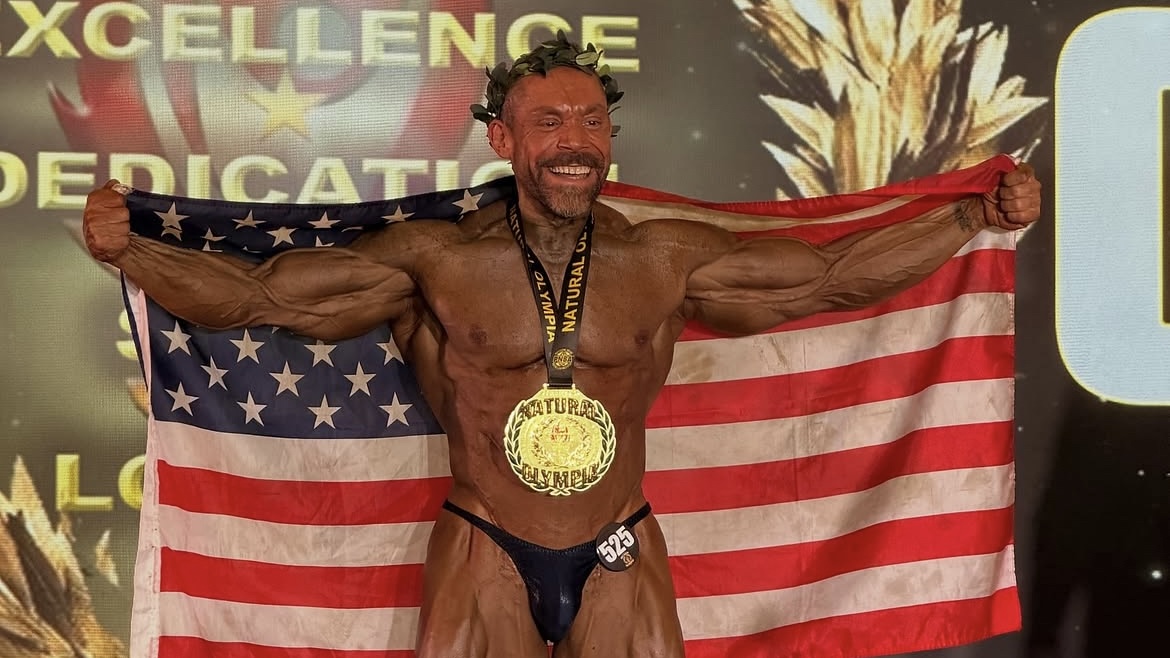
2026 Natural Olympia in Las Vegas: Dates, Schedule, and How to Watch
The 2026 Natural Olympia returns to Las Vegas on November 13-14 at the Golden Nugget Hotel & Casino....

Vermont Communities Host Local Holiday Markets to Kick Off Shopping Season
Vermont towns are hosting several free craft markets this Saturday, Nov. 14, to encourage local shopping ahead of...